/ PRECISION TURNING MANUFACTURER

Precision Turned Components from Prototype to Repeat Production

Swiss turning, CNC turning and coordinated secondary operations for shafts, pins, bushings, sleeves, connectors and other small precision metal components. Built for prototype validation and stable repeat production.

Ƙ38 mm

Swiss Bar Capacity Reference

±0.01 mm

Typical Tolerance on Suitable Features

~7 Days

Typical Prototype Reference

500+ pcs

Strong Repeat-Production Fit

ISO 9001

Quality Management System

/ ABOUT FREEFLY CNC

Built Around Small Precision Turned Parts

FREEFLY CNC manufactures small precision metal components using Swiss turning and CNC turning as the core production processes.

Drawing review, secondary machining, finishing coordination and inspection planning are integrated into the manufacturing route so prototypes can move into repeat production with fewer surprises.

/ MANUFACTURING FLOOR

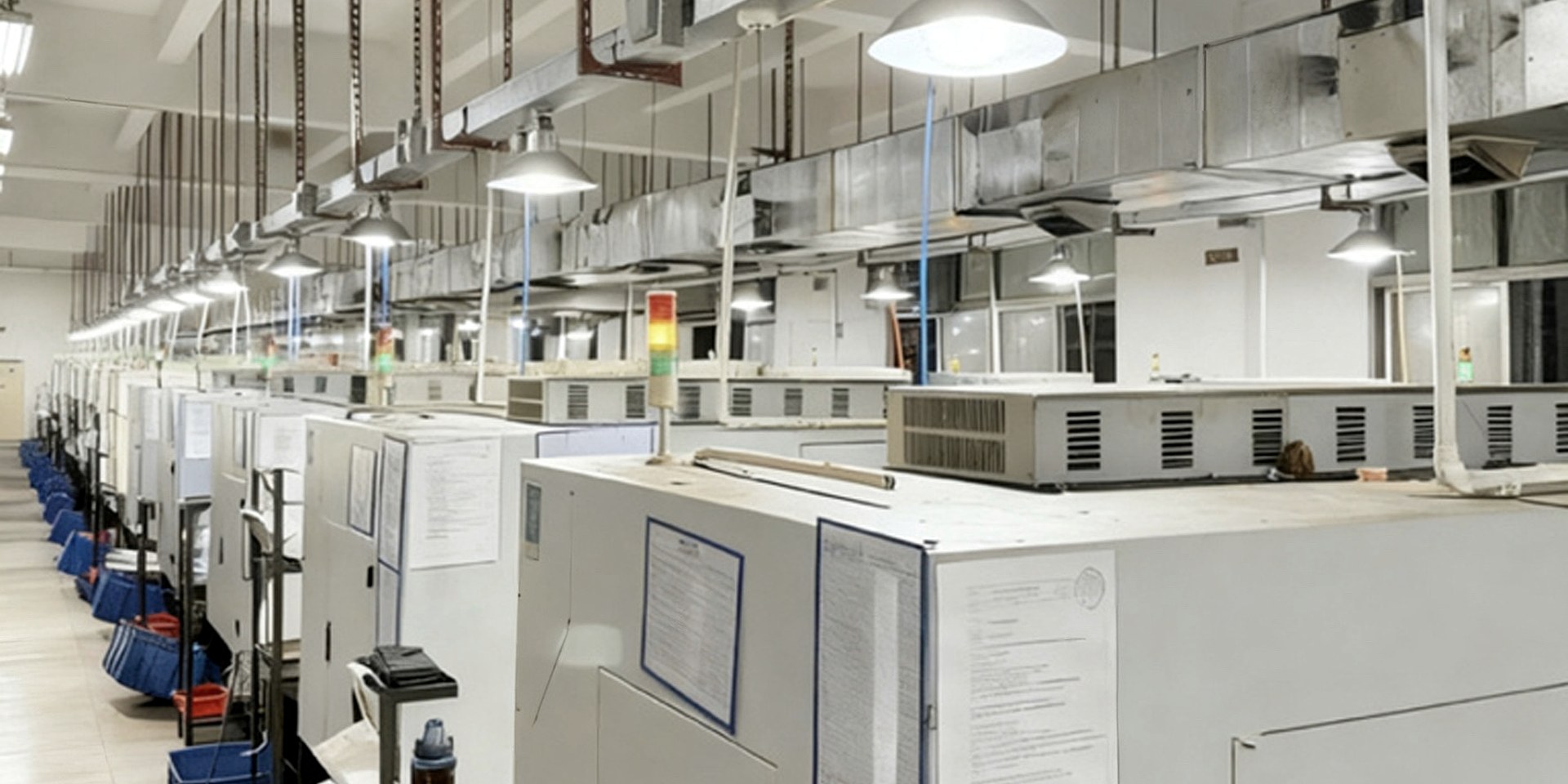
Turning-Focused Production Built Around Real Parts

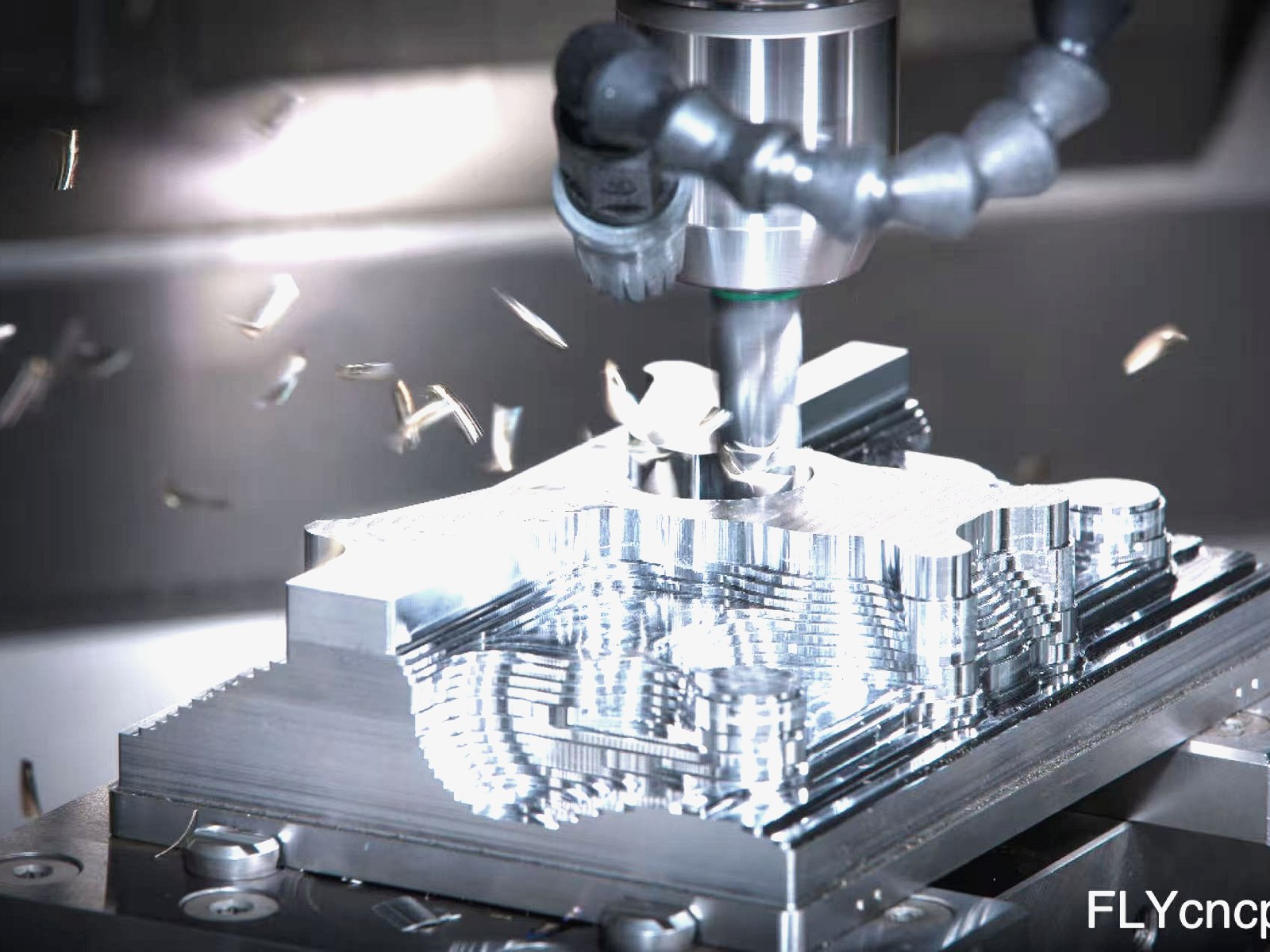
FREEFLY CNC centers its production around Swiss-type turning and CNC turning for small precision metal components. Secondary features, finishing requirements and inspection are coordinated around the primary machining route rather than treated as separate steps.

Swiss-Type TurningCNC TurningSecondary OperationsInspection Control

/ MANUFACTURING GEOMETRY

The Machining Route Starts with Part Geometry

Bores, shoulders, threads, OD/ID relationships, mating faces and secondary features are reviewed together before the machining route is confirmed.

01Turning Route

The primary turning process is selected first, then cross holes, flats, tapping, deburring, finishing and inspection are planned around it.

/ CORE CAPABILITIES

Core Turning Capabilities for Small Precision Parts

Swiss turning and CNC turning form the core manufacturing route. Secondary machining and inspection are coordinated around the part when additional features or production controls are required.

Core Machining

Swiss Turning

Small, slender and feature-dense parts where diameter relationships, length-to-diameter ratio and repeatability matter.

Core Machining

CNC Turning

Round metal components with controlled OD, ID, shoulders, grooves, bores, threads and mating features.

Supporting Route

Secondary Operations

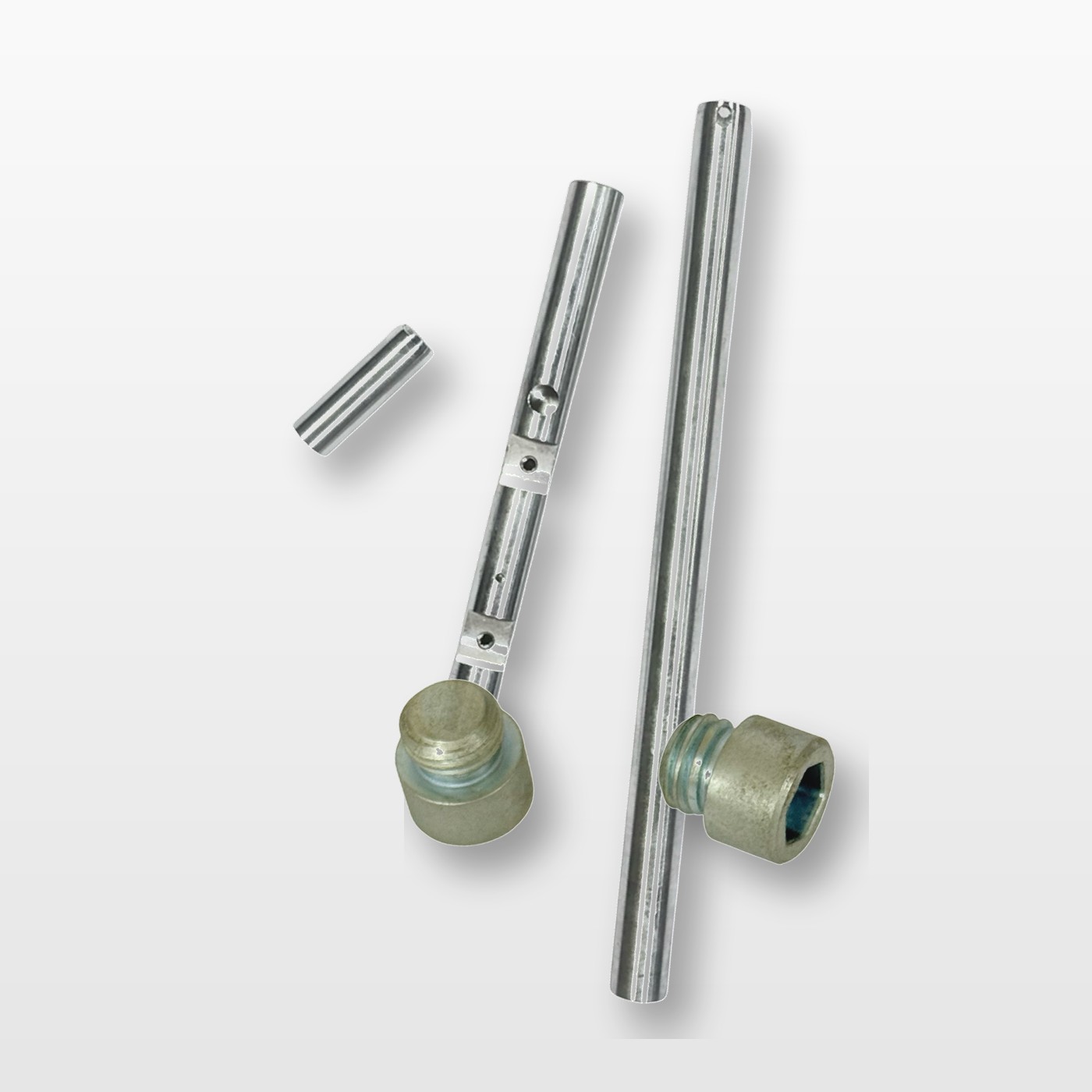
Cross holes, flats, tapping, deburring and selected finishing steps coordinated with the primary turning route.

Production Control

Inspection Planning

Drawing-defined CTQs, first-article checks and in-process measurement planned around the features that matter most.

/ MATERIALS & FINISHING

Materials and Finishing Planned with the Machining Route

Material grade and finishing requirements can affect tool wear, thread quality, surface condition, critical dimensions and final fit. FREEFLY CNC reviews these requirements before the manufacturing route is confirmed.

01

Steel

Used for functional turned components where strength, thread performance and repeat-production stability matter.

02

Stainless Steel

Common for components requiring corrosion resistance, mechanical strength and controlled functional or visible surfaces.

03

Brass

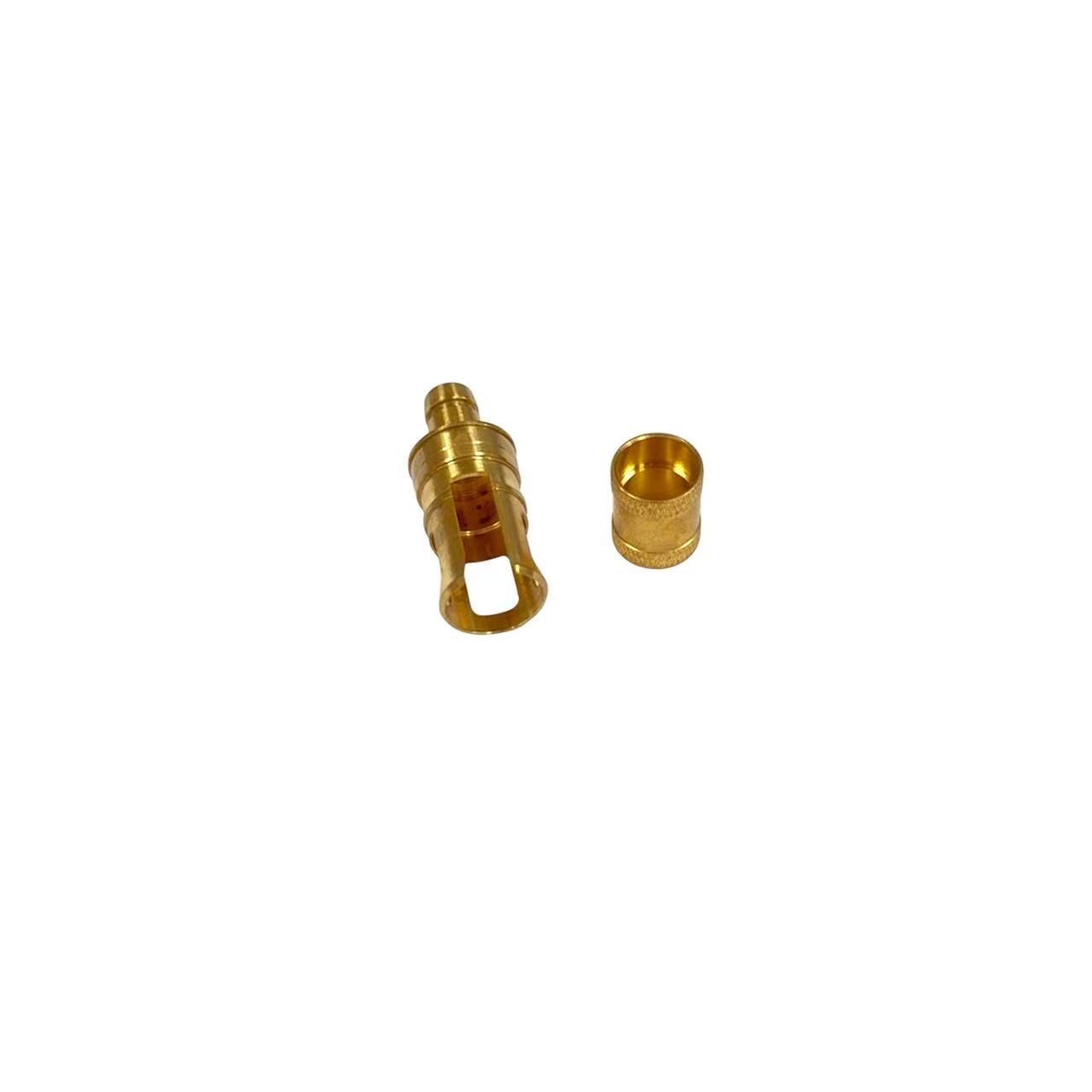
Well suited to many connectors, fittings and precision turned components requiring clean machining and detailed features.

04

Aluminum

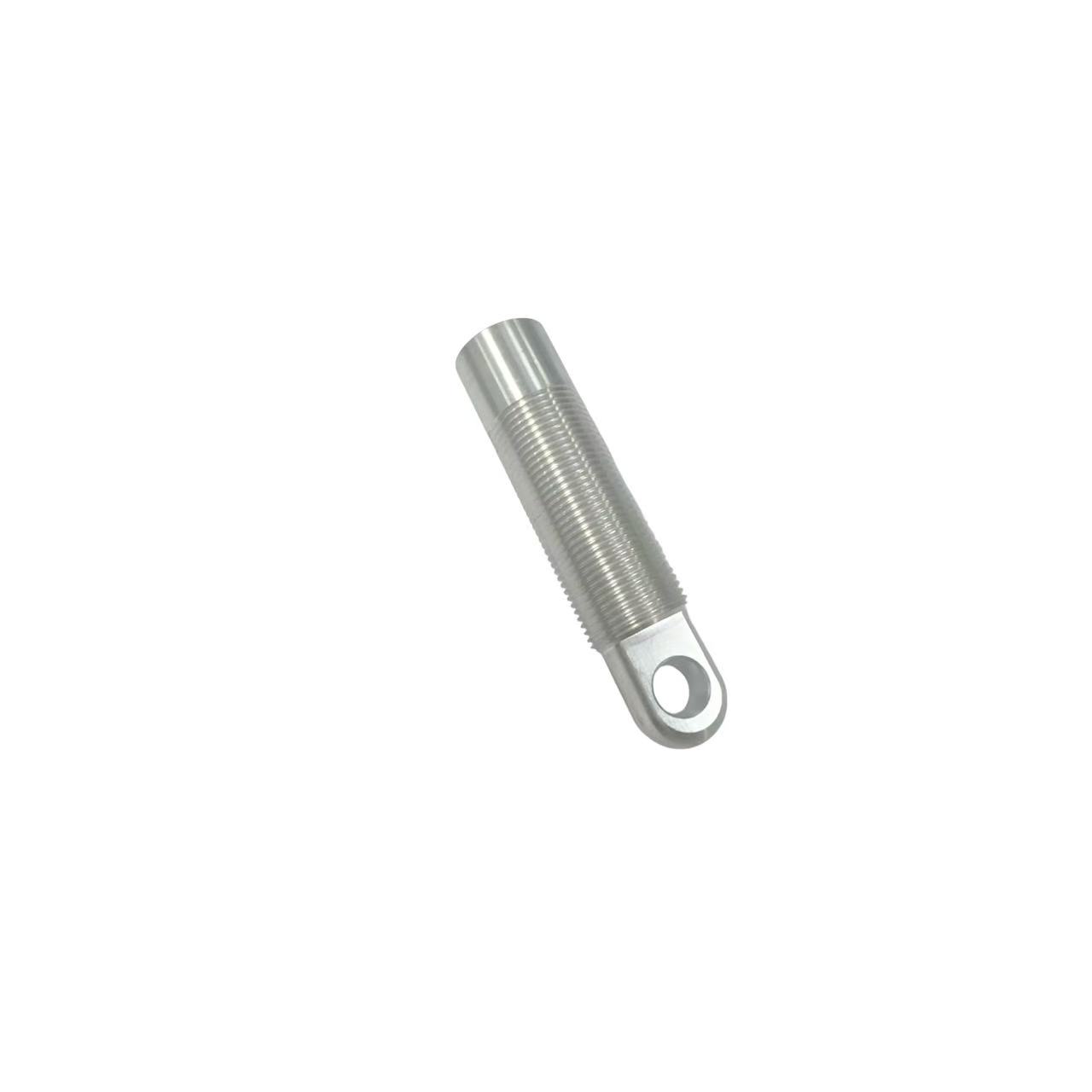
Used for lightweight components, sleeves, housings and parts where weight, machinability and surface finish matter.

Plating, oxidation, coating, polishing, heat treatment and other finishing requirements are reviewed according to part function, dimensional requirements and final appearance.

/ SOLUTIONS

Manufacturing Support for Different Part and Assembly Requirements

Small turned components can require very different controls depending on their function, appearance and assembly relationship. FREEFLY CNC reviews the manufacturing route around those requirements.

Consumer Product Components

Fit, Finish and Repeat Appearance

Small metal components where visible finish, mating fit, assembly feel and batch-to-batch consistency all matter.

Smart Devices

Compact Parts for Tight Assemblies

Machined inserts, sleeves, connectors and mating features where small geometry and assembly relationships require controlled production.

Mechanical Assemblies

Shafts, Pins and Rotational Relationships

Stepped shafts, locating pins and related parts where diameter relationships, runout, spacing and fit influence the machining route.

Fluid And Connection Parts

Threads, Bores and Sealing Features

Connectors, fittings, sleeves and valve-related components where internal geometry, threads and mating surfaces require controlled machining.

/ PARTS WE MAKE

Common Part Families We Manufacture

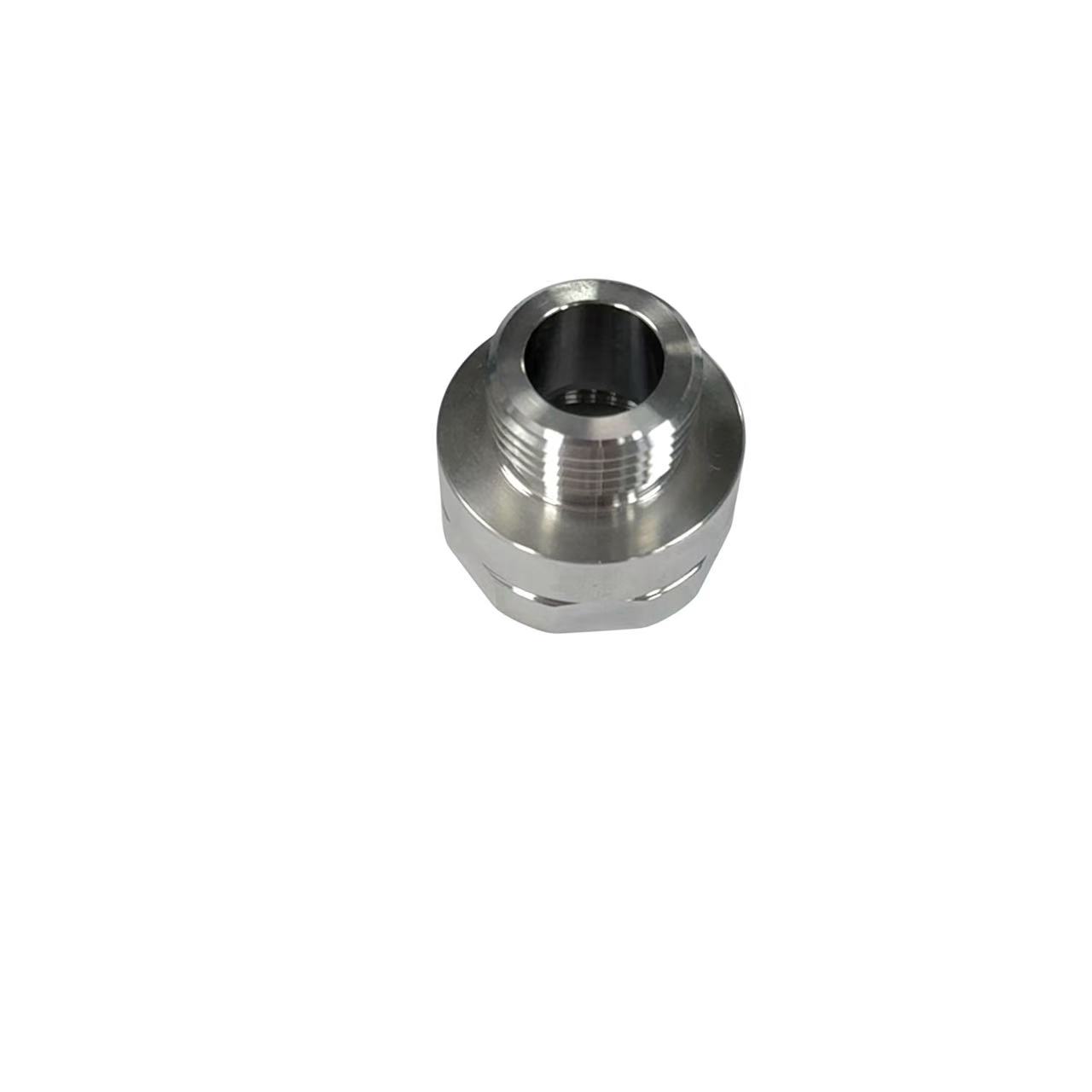
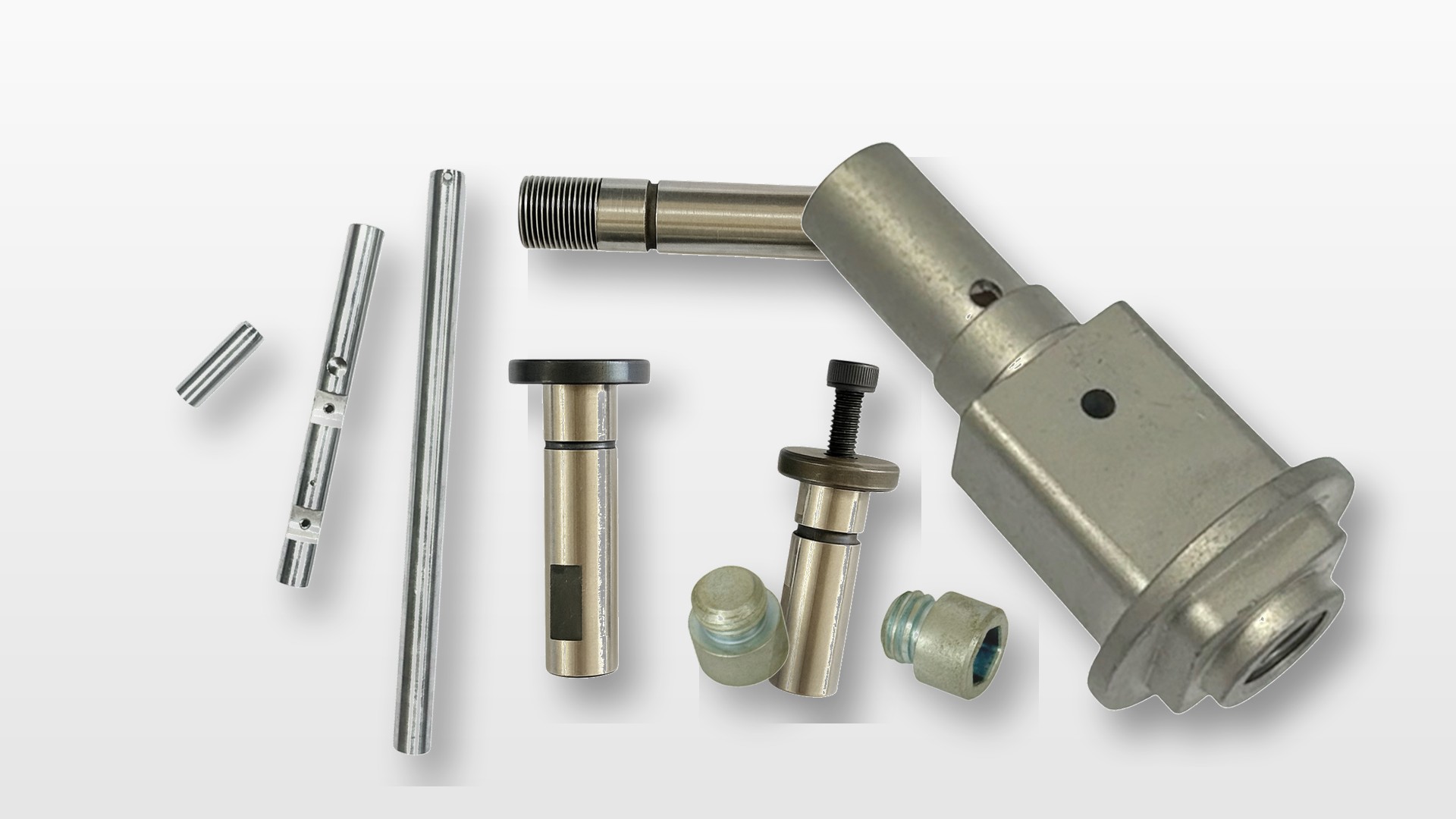
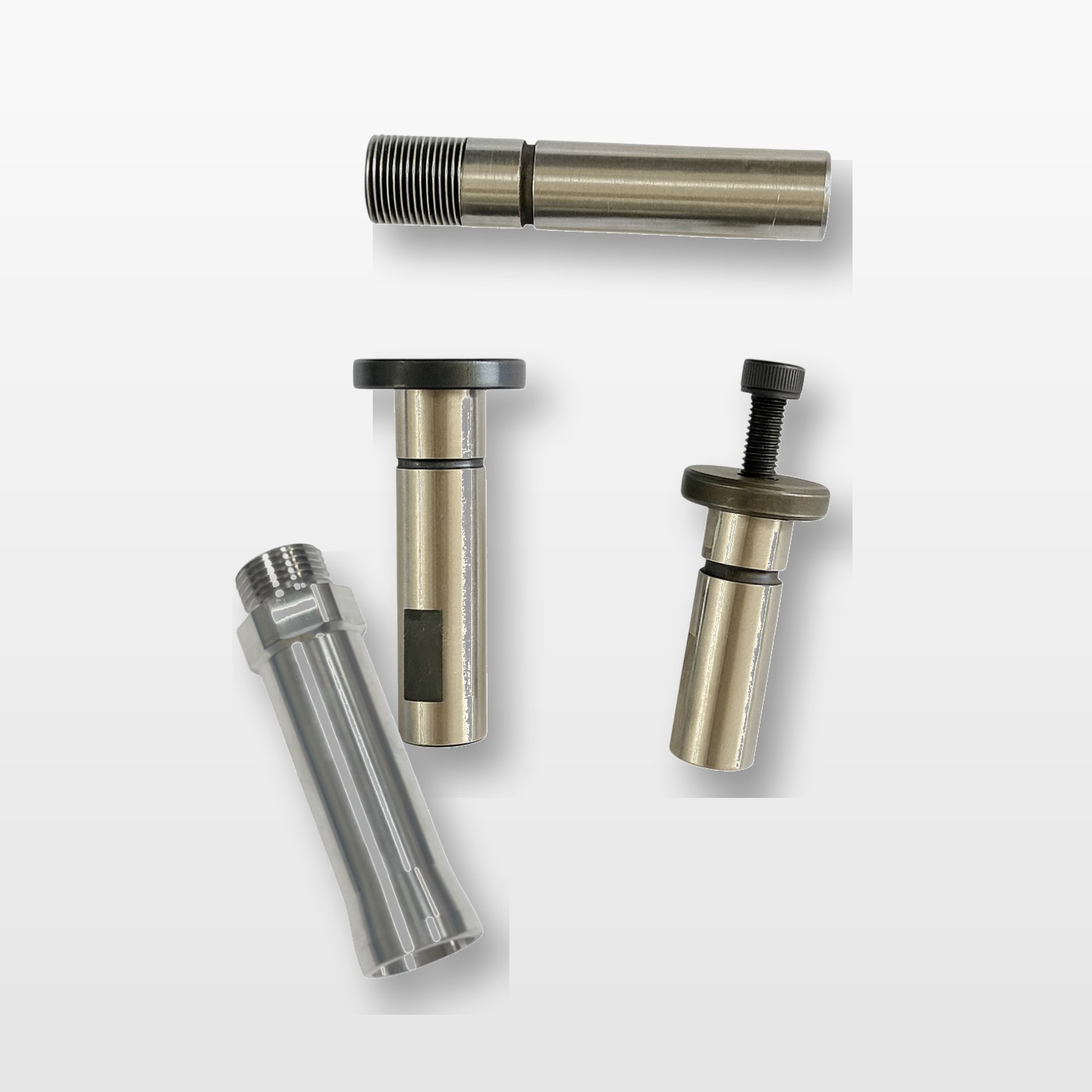
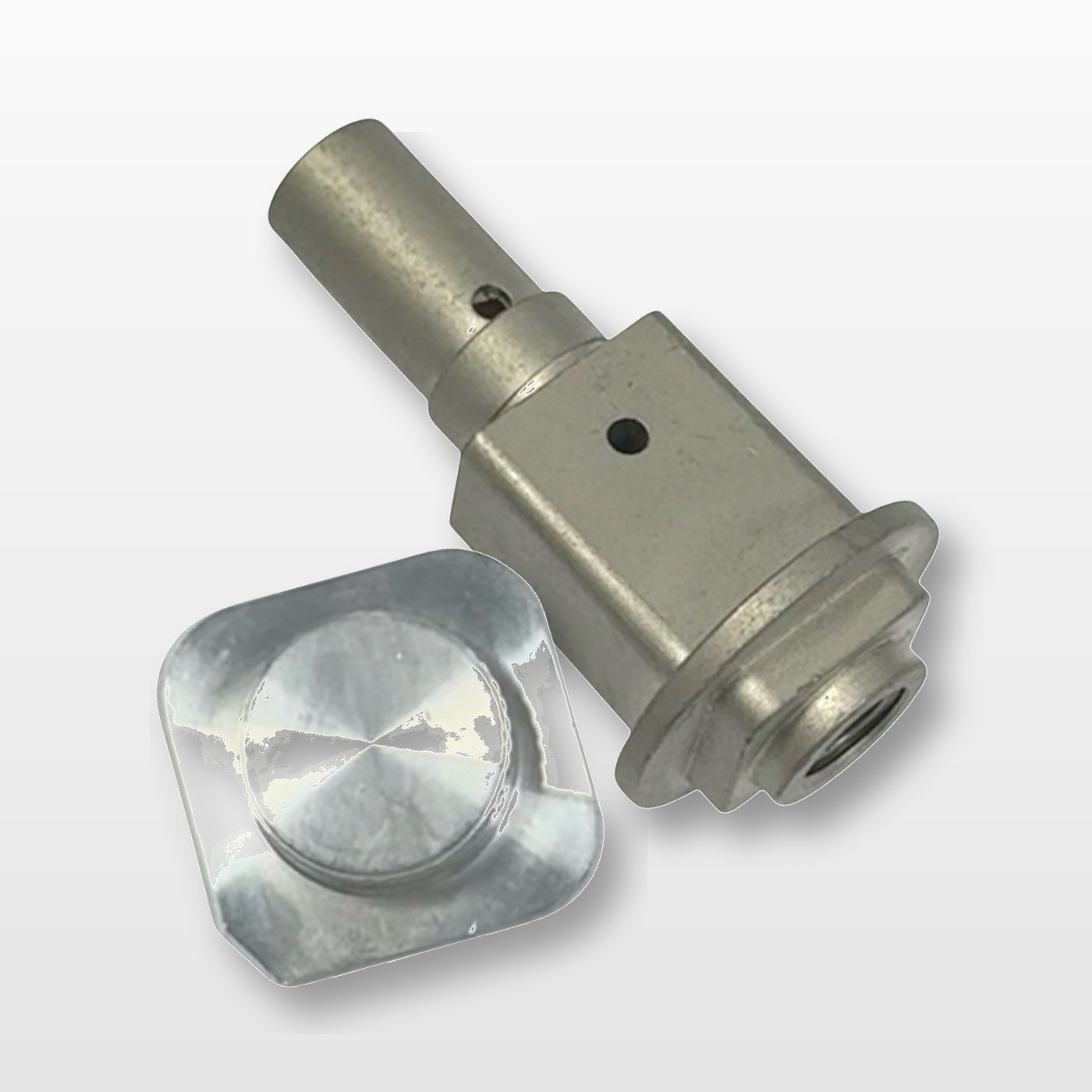
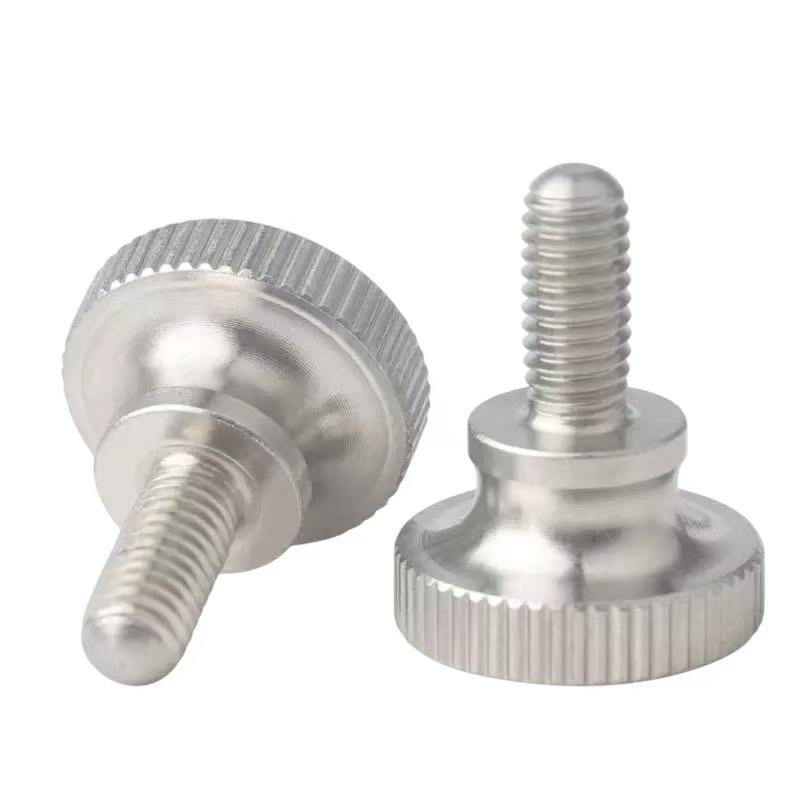
Typical production includes shafts, pins, bushings, sleeves, connectors and other small turned components with controlled mating and functional features.

Shafts & Pins

Stepped, locating and slender components where diameter relationships, straightness and fit matter.

Bushings & Sleeves

Controlled OD, ID, bore and mating surfaces for press-fit, sliding or locating functions.

Connectors & Fittings

Threaded, bored and mating components for mechanical and fluid-related assemblies.

Consumer Product Parts

Small visible and functional metal components where finish, fit and repeat consistency matter.

/ PRODUCTION CONFIDENCE

Quality Control Built Into the Production Route

Critical dimensions, mating features, threads and surface requirements are identified before production so inspection follows the features that matter to function and assembly.

Drawing ReviewIdentify CTQs, fit relationships and tolerance-sensitive features before machining begins.
First ArticleVerify critical dimensions and functional requirements before batch production is released.
Repeat SupplyMaintain the approved production route, inspection points and drawing requirements across repeat orders.
/ PRODUCTION PRINCIPLE

Validate the Process Before Scaling the Quantity

The goal of prototype and first-article production is not only to make one acceptable part, but to confirm the machining route, CTQs and inspection requirements before repeat production begins.

/ PROJECT PATH

From drawing to repeat production

Send the drawing or model first, then confirm the route around geometry, material, quantity and critical features. A sample can be checked before the project moves into repeat production control.

01Send DrawingGeometry, material, quantity and critical requirements.
02Confirm RouteSelect the turning process and plan required secondary operations.
03Validate SampleCheck critical dimensions, fit and functional requirements.
04Control ProductionCarry the approved route and inspection plan into repeat production.
/ 01

Capabilities

Swiss turning, CNC turning and supporting secondary operations for small precision components.

/ 02

Parts We Make

Shafts, pins, bushings, sleeves, connectors, fittings and related turned parts.

/ 03

Quality Control

Drawing review, CTQ planning, first-article validation and production inspection.

/ WHY FREEFLY CNC

A Turning-Focused Route from Drawing to Repeat Supply

FREEFLY CNC focuses on the manufacturing decisions that matter before a turned part reaches repeat production — process fit, critical features, secondary operations and inspection requirements.

Turning-Focused Manufacturing

Swiss turning and CNC turning are core production routes for the small precision components we manufacture, rather than secondary capabilities added to a broad service list.

Drawing-Based Review

Geometry, tolerance, material, CTQs and secondary features are reviewed together before the manufacturing route is confirmed.

Prototype to Repeat Production

Prototype quantities can be used to validate the part and process before moving into stable repeat production, including 500+ piece programs.

Coordinated Production Route

Secondary machining, finishing requirements and inspection planning are coordinated around the primary turned part to reduce handoff and production risk.

/ START A MANUFACTURING PROJECT

Send Your Drawing for Manufacturing Review

Share your drawing or 3D model together with material, target quantity, tolerance notes, surface-finish requirements and any CTQs that matter to the assembly.

FREEFLY CNC will review the geometry and determine the most suitable manufacturing route before quoting.