Provide the exact grade or acceptable equivalent standard.
MATERIAL + PROCESS FIT
Materials for Precision Turned & Machined Components
Material selection affects machinability, dimensional stability, tool wear, burr behavior, finishing compatibility and total part cost. The useful decision is matching grade, condition, stock form and finish to the finished component.
A material family name is rarely enough. Use exact grade, standard, condition, stock form, finish and documentation requirements where they are known.
bar stock / material condition / finished part
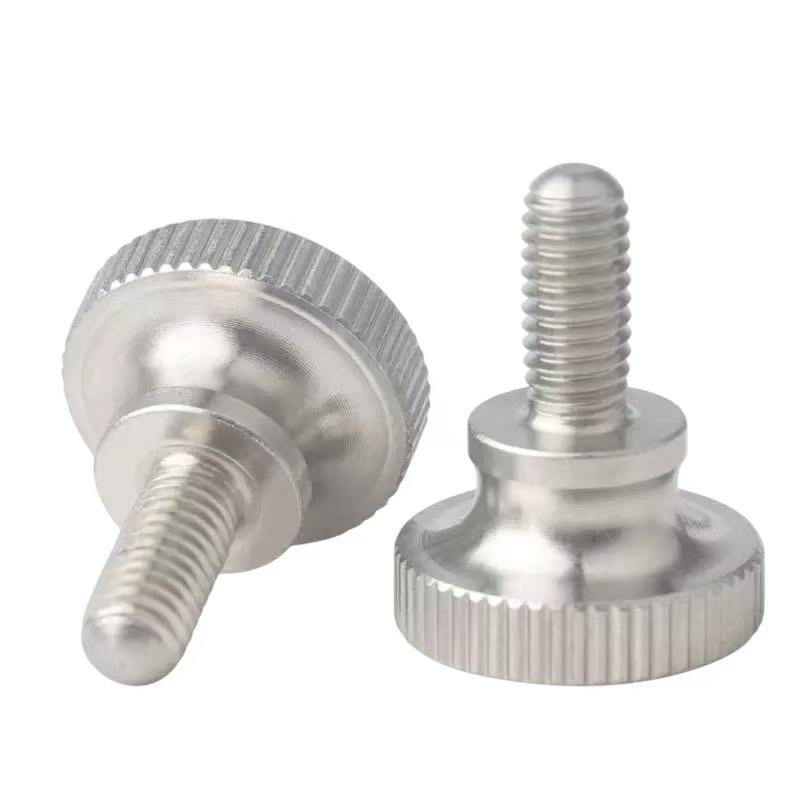
~±0.01 mmTypical tolerance on suitable features
~7 DaysTypical sample route, project-dependent
500+ pcsProduction strength, samples supported
ISO 9001Quality management system
/ Material Fit
Choose material with the finished part in mind
The best material choice connects function, machining route, finish, tolerance and purchasing documentation.
Material checkpoint01 / FOCUSSteel and alloy steel
Match the material choice with machinability, finish needs, tolerance and production stability.
/ Steel
Specify the grade, not only steel
Steel behavior changes with alloy, hardness, heat-treatment state and finish requirement.
Machining before or after heat treatment changes risk and cost.
Edges, threads and holes may need a defined deburr expectation.
Plating, black oxide or oiling requirements should be stated if needed.
/ Stainless
Balance corrosion requirement and machinability
Stainless steel should be selected for its functional need, then matched to machining behavior and finish.
Material checkpoint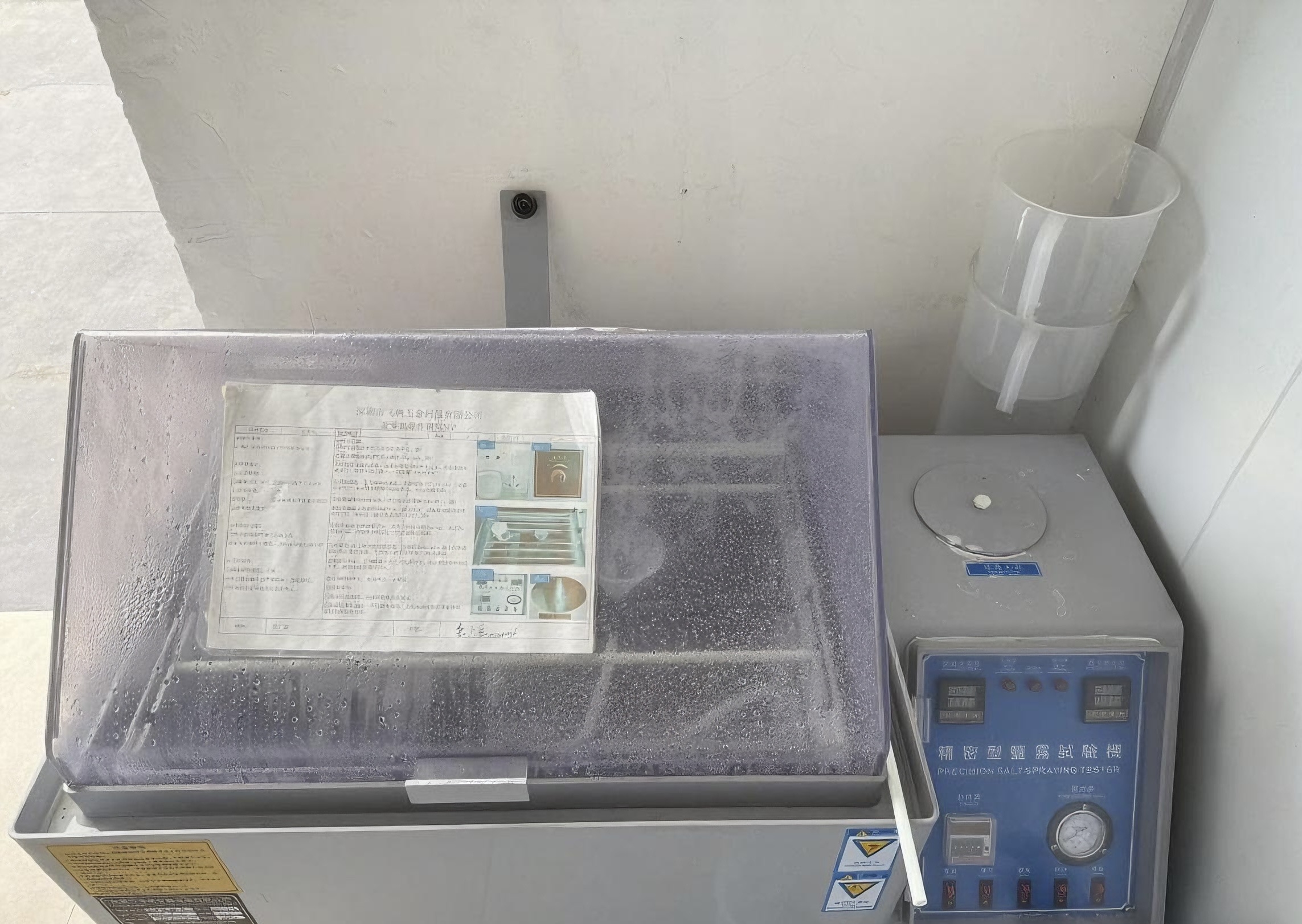
01 / FOCUSEnvironment
Confirm this item against part function, material behavior, tolerance needs and production route.
/ Brass
Brass is practical when alloy and function are clear
Brass is often suitable for small turned connectors and fittings, but alloy, compliance and finish needs should be confirmed.
Thread form and burr expectations affect assembly.
Electrical use should be stated if functionally important.
Finish compatibility and appearance need confirmation.
Fluid or connector applications may need specific cleanliness notes.
/ Aluminum
Aluminum links weight, finish and geometry
Aluminum can machine efficiently, but alloy, temper, finish and fit context still need to be clear.
Material checkpoint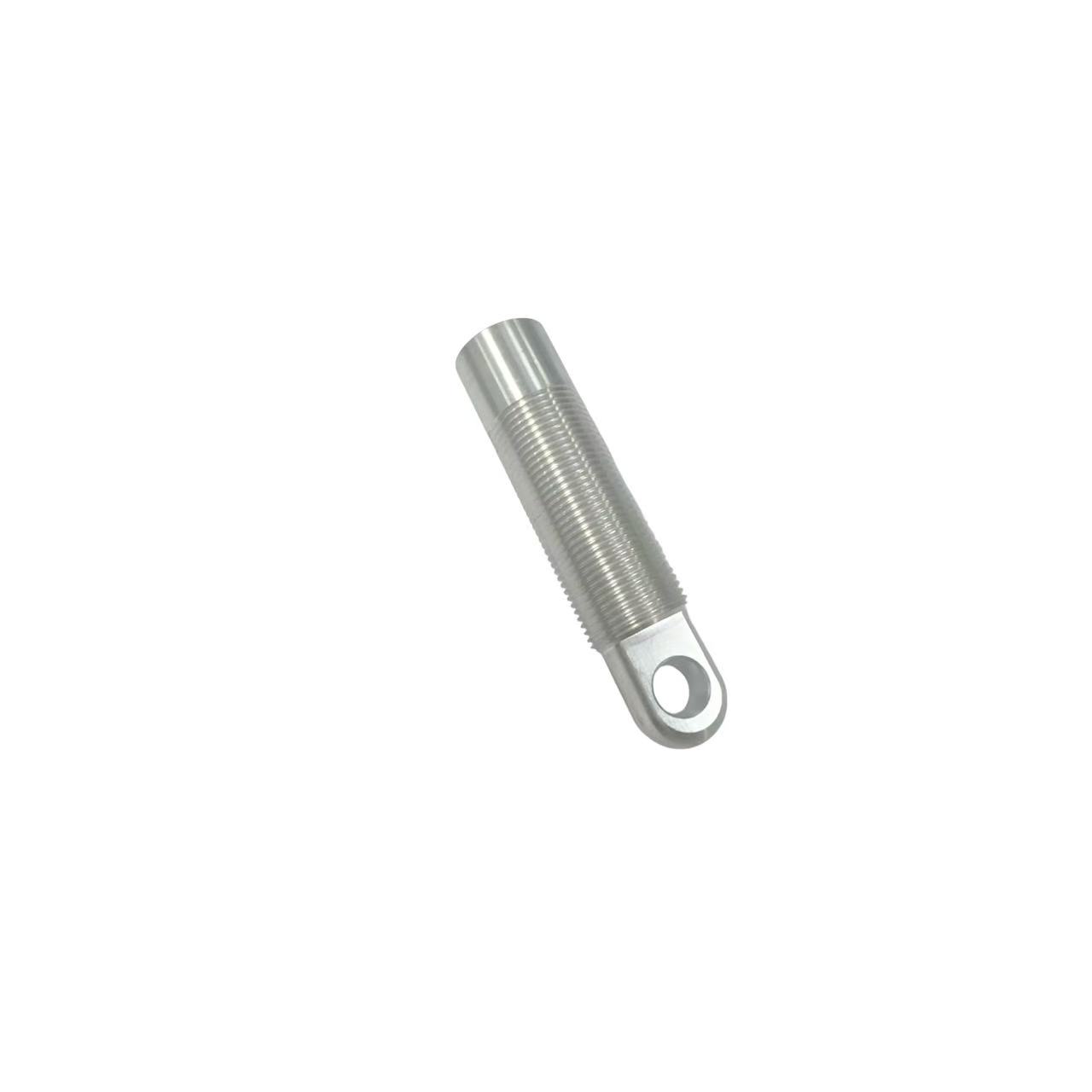
01 / FOCUSAlloy and temper
Confirm this item against part function, material behavior, tolerance needs and production route.
/ Material Condition
Material condition changes machining assumptions
Material should be defined by exact grade, supplied condition and dimensional stability rather than a broad family name.
Different metal grades behave differently in cutting, finishing and service.
Heat-treated, cold-drawn or other supplied conditions can change tool wear and stability.
Heat, corrosion exposure or assembly load can affect material choice and fit.
Thin walls or slender metal features may need extra control.
/ Bar Stock
Raw stock quality becomes process quality
For turning-led manufacturing, raw stock is part of the manufacturing system, not only a purchasing item.
Material checkpoint01 / FOCUSBar diameter
Check stock diameter, straightness, grade and surface condition against the production route.
/ Selection Matrix
Match material to process and part behavior
A family-level matrix helps compare material behavior without turning the page into an unsupported grade catalog.
| Requirement | Manufacturing Focus | Manufacturing Value |
|---|---|---|
| Machinability | Material affects cycle stability, tool wear and burr control. | Changes route and cost assumptions. |
| Dimensional behavior | Thermal movement, stress and wall stiffness matter. | Changes tolerance confidence and inspection plan. |
| Finish match | Not every finish suits every base material. | Changes coating, masking and final-state check. |
| Documentation | Certificates or compliance records should be requested early. | Changes material availability and lead time. |
/ Tolerance + Material
Tolerance depends on material and geometry
Around ±0.01 mm must stay a qualified, feature-dependent production statement.
Material checkpoint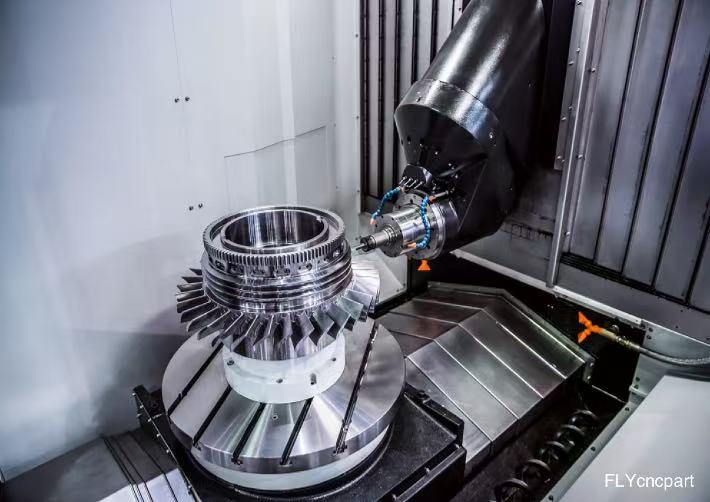
01 / FOCUSFeature rigidity
Confirm this item against part function, material behavior, tolerance needs and production route.
/ Material + Finish
Match finish with the base material
Material and finish decisions should be confirmed together before production planning.
Can change holes, threads and press fits.
Critical surfaces may need protection from coating.
Visible material defects can remain after finishing.
Final-state acceptance should be defined.
/ Material Records
Define material documents early
Required material documents should be specified early so purchasing, inspection and release expectations are clear.
Material checkpoint
01 / FOCUSMaterial certificate
Match the material choice with machinability, finish needs, tolerance and production stability.
/ Cost Drivers
Total part cost is more than material price
A lower raw stock price can be lost through poor machinability, burr risk, finish problems or scrap.
| Requirement | Manufacturing Focus | Manufacturing Value |
|---|---|---|
| Raw stock | Material price and availability affect project timing. | Affects process, setup, inspection and purchasing clarity. |
| Cycle stability | Machinability affects repeat production. | Affects process, setup, inspection and purchasing clarity. |
| Secondary operations | Threads, holes, deburr and finish add process work. | Affects process, setup, inspection and purchasing clarity. |
| Inspection burden | Documents and CTQs add confirmation and measurement time. | Affects process, setup, inspection and purchasing clarity. |
No. Provide exact grade, standard, condition, stock form and finish requirement where known.
Only if the purchasing requirement allows substitution. State acceptable equivalents before production starts.
Yes. Geometry, rigidity, hardness, thermal behavior, tool wear and inspection method all affect tolerance confidence.
Useful details include grade, standard, temper or hardness, certificate requirement, finish, quantity and functional exposure or assembly requirement.