Mask or gauge after finish where function requires it.
FINISH IS PART OF THE DESIGN
Surface Finishes for Fit, Protection, Wear and Appearance
Surface finishing supports corrosion behavior, wear resistance, appearance, friction control and final fit. FREEFLY CNC coordinates finish requirements with machining so allowances, masking and post-finish checks remain clear.
Finish selection should be based on function, material, visible surfaces and final-state dimensions. If certificates or thickness reports are required, they should be specified with the project requirements.
surface / coating layer / masked interface

~±0.01 mmTypical tolerance on suitable features
~7 DaysTypical sample route, project-dependent
500+ pcsProduction strength, samples supported
ISO 9001Quality management system
/ Finish Selection
Start with what the finish must do
A finish should be selected for function, environment, appearance or assembly requirement, then checked against material and geometry.
Finish checkpoint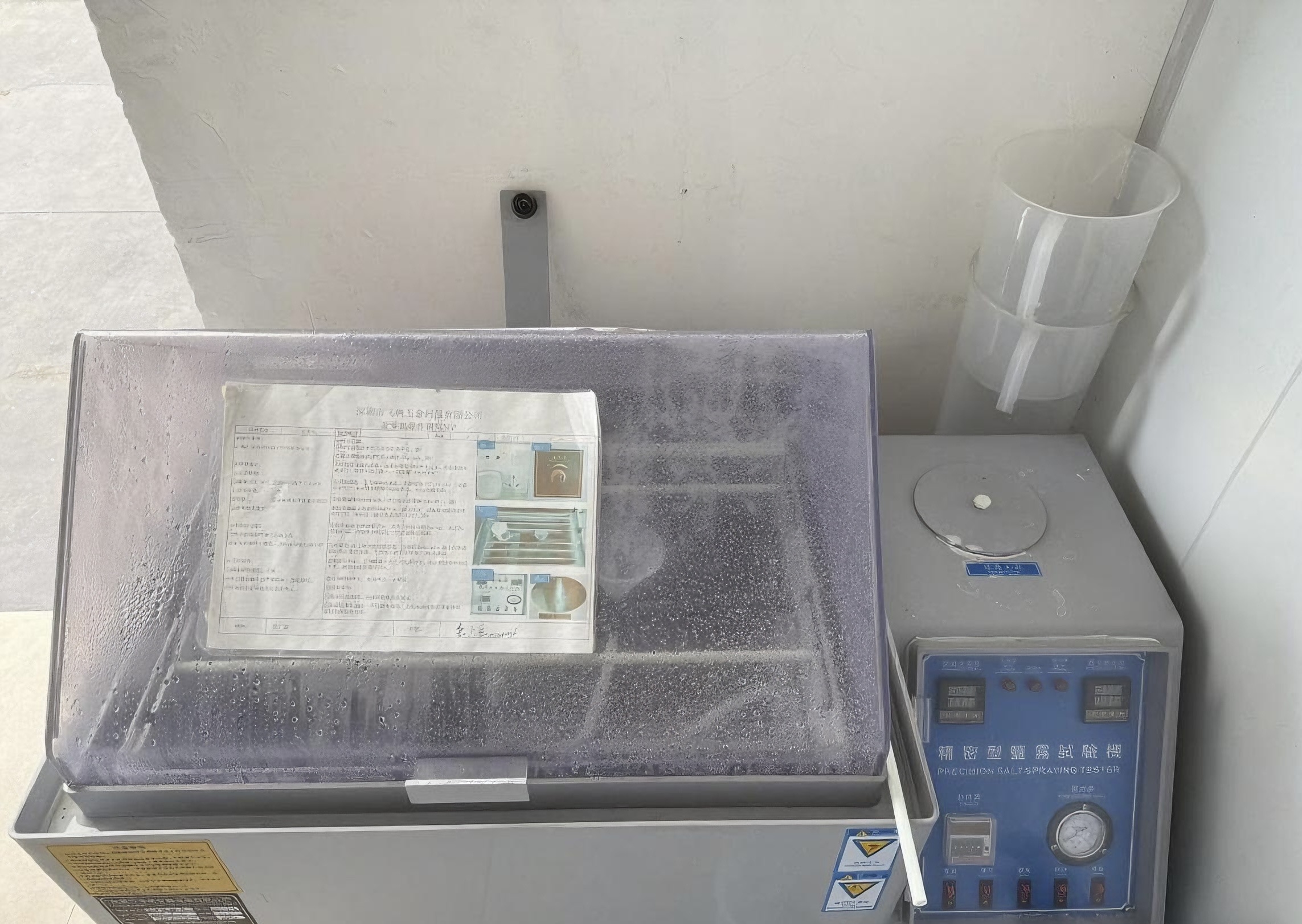
01 / FOCUSCorrosion protection
Check finish function, material, tolerance and production route before production.
/ Finish Matrix
Match finish, material and function
The finish matrix helps buyers connect a finish request to material compatibility, dimensional impact and final inspection.
| Requirement | Manufacturing Focus | Buyer Value |
|---|---|---|
| As-machined | Useful when function does not require coating or decorative treatment. | Keeps dimensions close to machined condition. |
| Anodizing review | Commonly reviewed for suitable aluminum parts with color or protection needs. | Can affect threads, bores and cosmetic surfaces. |
| Plating review | Requires material compatibility, buildup, masking and documentation review. | Can change fit and corrosion behavior. |
| Polishing / brushing | Useful for visible surfaces when direction, texture and handling marks are defined. | Controls appearance expectations. |
/ Thickness and Fit
Coating buildup can change assembly
Finish thickness can affect holes, threads, OD, grooves, press fits and datum faces.
Finish checkpoint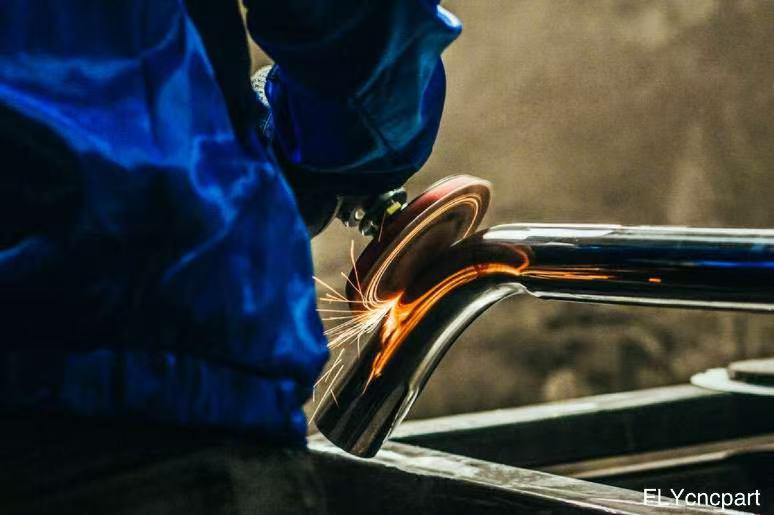
01 / FOCUSThreads
Call out thread size, usable depth, lead-in and gauge condition in the finished state.
/ Masking
Protect the surfaces that must keep function
Masking should be discussed before finishing, especially around threads, sealing faces and tight fits.
Protect surfaces that control leakage or contact.
Avoid coating buildup where location is critical.
Define what appearance is acceptable at boundaries.
/ Threads and Fits
Define thread acceptance in finished state
For threaded parts, the buyer should state whether the part must pass functional checks after finishing.
Finish checkpoint01 / FOCUSThread class
Call out thread size, usable depth, lead-in and gauge condition in the finished state.
/ Cosmetic Quality
Visible surfaces need a clear standard
Cosmetic requirements should be described through visible zones, acceptable texture, color reference and packaging expectation.
| Requirement | Manufacturing Focus | Buyer Value |
|---|---|---|
| A surfaces | Mark surfaces visible to the end user. | Keeps finish, inspection and final part requirements aligned. |
| B surfaces | Define secondary surfaces where appearance is less critical. | Keeps finish, inspection and final part requirements aligned. |
| Reference sample | Use sample approval when color, gloss or texture matters. | Keeps finish, inspection and final part requirements aligned. |
| Packaging protection | State if surfaces must be protected from scratches or rubbing. | Keeps finish, inspection and final part requirements aligned. |
/ Material + Finish
Finish compatibility starts with the base material
Aluminum, stainless steel, steel, brass and selected plastics require different finish assumptions.
Finish checkpoint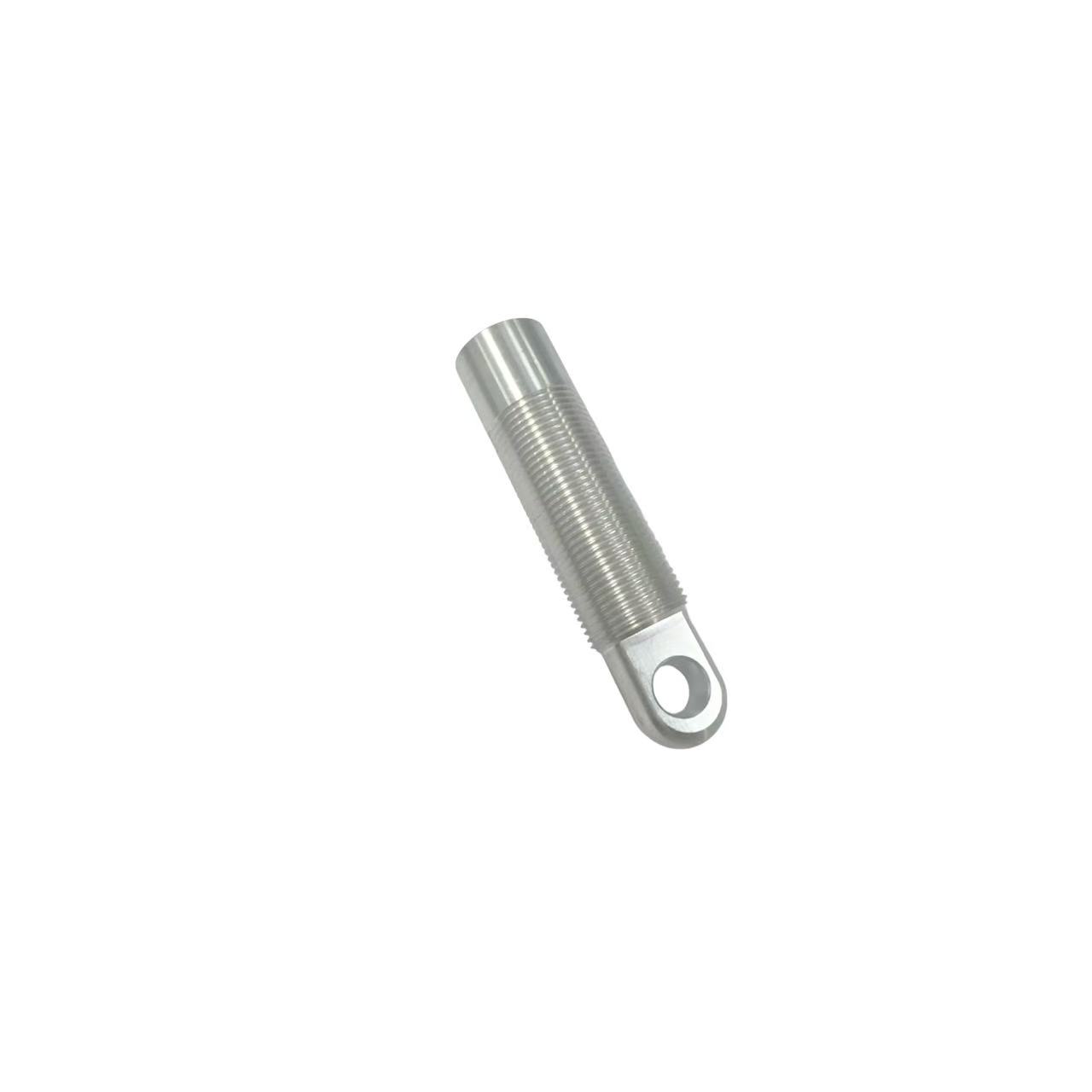
01 / FOCUSAluminum
Match the material choice with machinability, finish needs, tolerance and production stability.
/ Pre-Finish Condition
Finishing does not hide every machining mark
The surface before finishing affects the surface after finishing. Tool marks, burrs and scratches should be controlled first.
Visible machining marks may remain after finish.
Burrs can become more visible or interfere after coating.
Brushing or polishing direction should be defined.
Cosmetic parts may need protection before finishing.
/ Process Sequence
Plan machining, finish and inspection together
The finish route should be considered before machining is complete so allowances and final checks are correct.
State finish type, color, texture, masking and documentation needs.
Adjust critical dimensions where buildup affects fit.
Complete finish according to material and requirement.
Inspect final dimensions, appearance and packaging state.
/ Finish Records
Finish records when your project requires them
If certificates, thickness reports or process traceability are required, include them in the project requirements so the finishing route is defined correctly.
Share the standard, color, texture, gloss or reference sample.
Request coating or plating thickness records when fit or compliance depends on it.
Use a reference sample for cosmetic surfaces or critical touch points.
Tell us if the finish must be completed before shipment or inspected after machining.
/ FINISH DETAILS
Avoid finish problems before they start
Most finish issues come from missing standards, unclear cosmetic areas, no masking notes or late documentation requests.
Finish checkpoint01 / FOCUSFinish name
Confirm finish thickness, cosmetic area, masking and functional fit before production.
It can. Coating or plating buildup may affect holes, threads, OD, press-fit areas and datum faces.
Masking can be reviewed where finish would affect fit; feasibility depends on geometry, material and finish route.
Mark visible A surfaces, secondary B surfaces, acceptable texture or color reference, and packaging expectations.
Yes, when finish type, material, cosmetic expectation, masking, inspection and documentation requirements are supplied clearly.