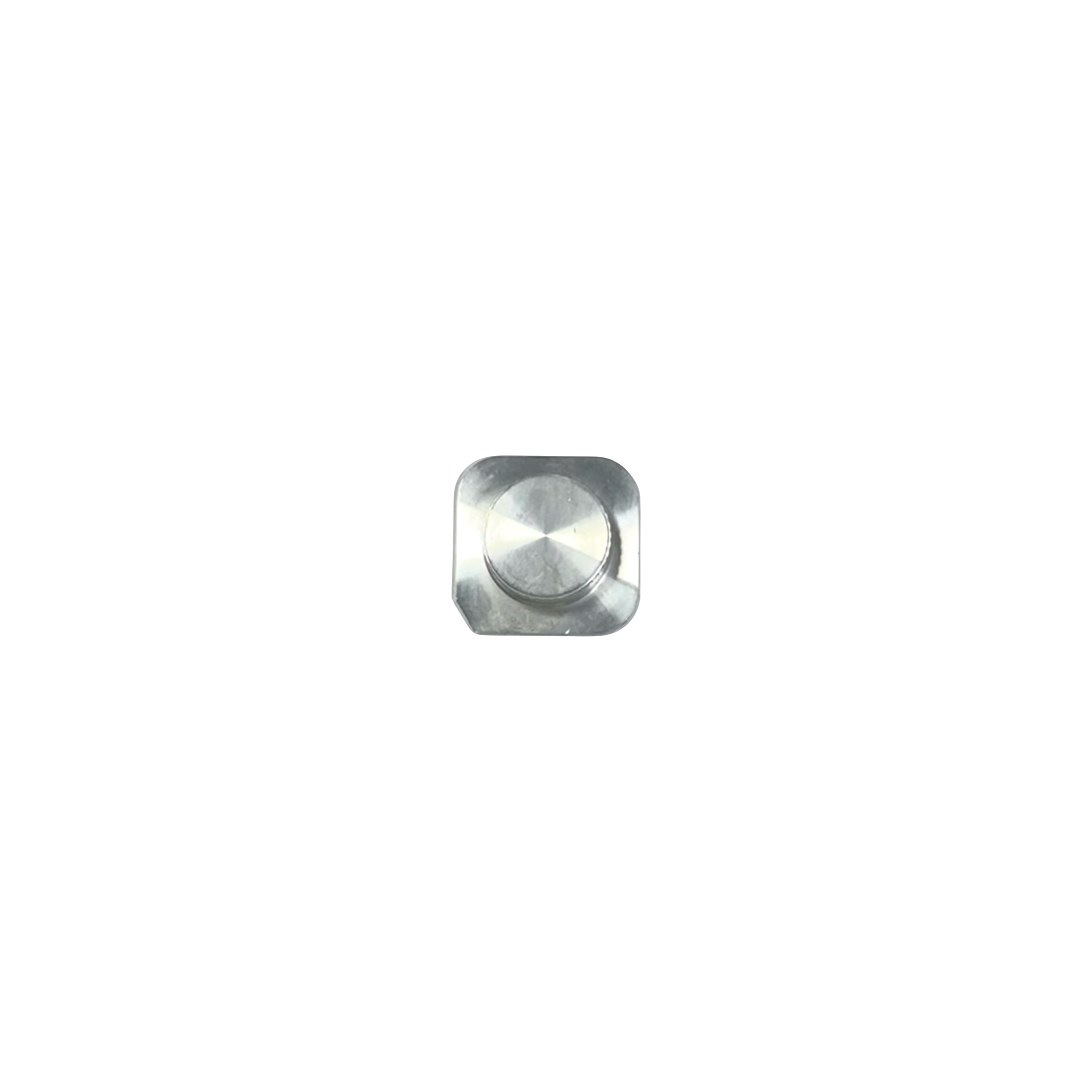
Nozzle Bodies
Turned forms with controlled bore, seat and external interface.
/ NOZZLES & FLOW COMPONENTS
Nozzles, jet bodies and flow fittings are reviewed by bore geometry, seat detail, thread interface and burr-controlled internal passages.
Upload Drawing & Request a Quote->/ PRODUCT CHECK
Flow components can look similar while requiring different controls. The drawing should make passage size, entrance geometry, thread relationship, burr condition and cleanliness expectations clear.
Turned forms with controlled bore, seat and external interface.
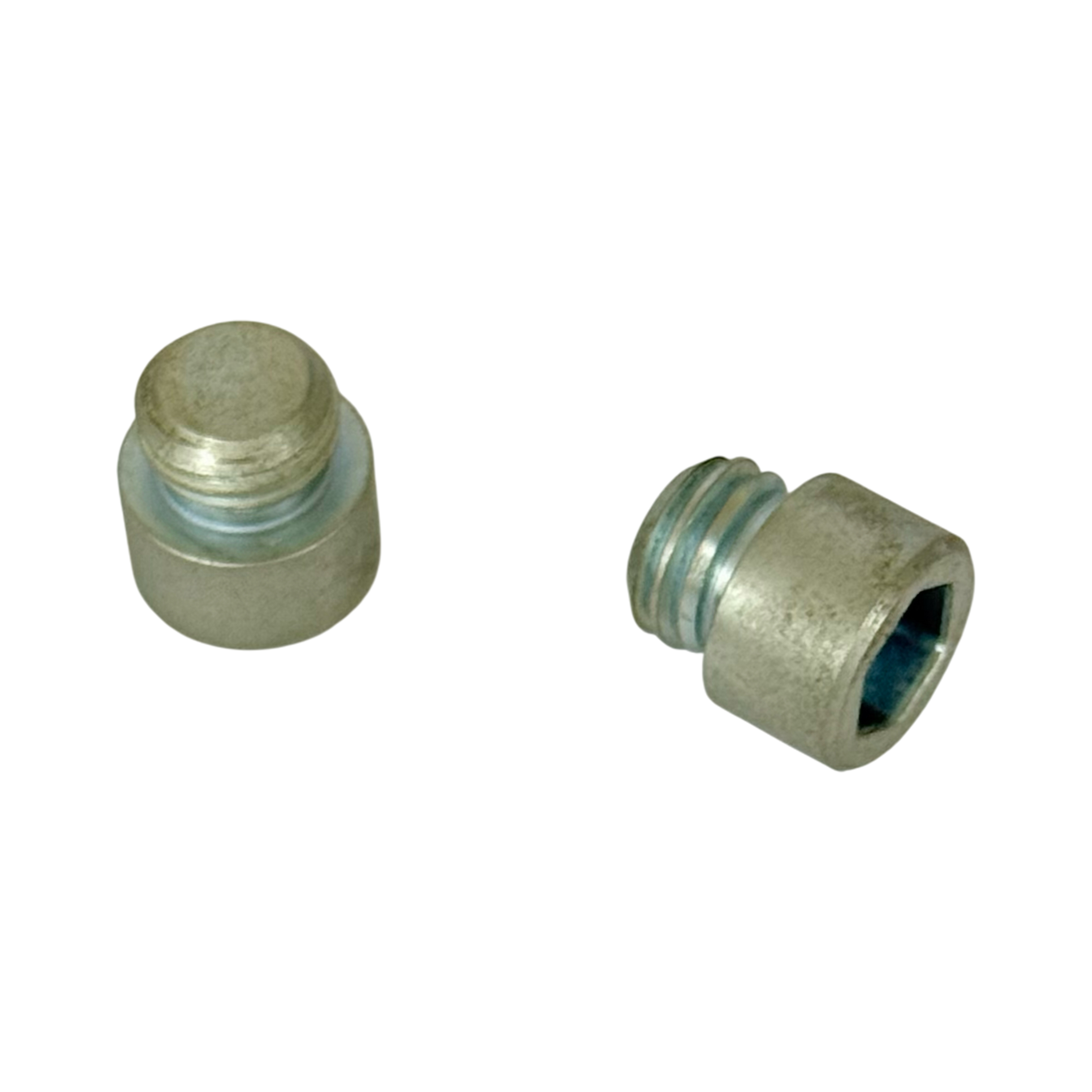
External or internal threads reviewed with sealing and burr exposure.

Finish and deburr requirements are checked where flow surfaces are exposed.
Diameter, depth, transition and exit edge determine setup and inspection route.
Mating faces need location control against the functional diameter or thread.
Cross holes and slots must be tied to datum and clocking requirements.
Flow passages need deburr and cleaning notes when chips can affect function.
/ FEATURE REVIEW
Feature review keeps the RFQ focused on the detail that drives setup, inspection and downstream finishing.
/ RFQ DETAIL
The RFQ should include the information that changes cost, risk and inspection method.
Call out bore/orifice diameter, depth and allowed edge condition.
Define thread type, usable depth, relief and mating feature.
Show whether holes, flats or slots need angular orientation.
State whether internal burrs are function-critical or cosmetic.
Confirm grade where corrosion, flow media or finish matters.
Identify CTQs that need pin, plug, visual or fixture inspection.
/ PROCESS ROUTE
For flow components, the route usually starts with base turning, then passage machining, controlled deburr, dimensional checks and visual release.
Create datum, OD, shoulder and primary bore.
Add radial holes, slots or secondary bores with orientation control.
Remove burr risk and confirm functional dimensions before shipment.
Send the 2D drawing, 3D model if available, material grade, thread standard, bore/orifice notes, finish, cleanliness requirements and estimated quantity.
Yes, when bore size, depth, access, material and burr-control requirements are clear enough to review.
Yes. If chips or burrs can affect flow, cleanliness and deburr expectations should be reviewed before quotation.
They can be reviewed when datum, clocking and inspection method are defined clearly.
The core body is usually turned, while side holes, slots or special passages may require secondary machining.