/ Threaded Sleeves
/ COMPACT ELECTRONICS METAL COMPONENTS
Precision Turned Metal Components for Compact Electronics
FREEFLY CNC manufactures small shafts, sleeves, connectors, threaded bodies and precision metal hardware for compact electronic products where assembly fit, surface condition and repeat production need to remain consistent.
Core ProcessesSwiss Turning / CNC Turning
Size RangeSwiss-type bar capacity up to approximately Ø38 mm
Typical AccuracyAround ±0.01 mm on suitable features
Production ModelPrototype validation through repeat production
/ SMALL PRECISION COMPONENTS
Small Parts With a Direct Effect on Assembly
Compact electronic products often rely on small turned components to locate, connect, fasten or support other parts. Threads, diameter relationships, wall thickness and surface condition can all influence how the final assembly fits and feels.
/ Connector Bodies
Compact connector bodies may combine bores, threads, contact faces and external geometry within a small machined envelope.
/ Pins & shafts
Locating, rotating and guide components depend on consistent diameter, straightness, end condition and runout-sensitive relationships.
/ Tubes & housings
Thin-wall sleeves and tubular bodies require controlled wall thickness and careful handling where roundness and appearance matter.
/ Bushings & rings
Small bushings and rings rely on stable ID/OD relationships, roundness and mating fit, particularly where finishing may change final dimensions.
/ Caps & Inserts
Threaded caps, press-fit inserts and compact hardware often combine functional interfaces with visible external surfaces.
/ ASSEMBLY-CRITICAL FEATURES
Features That Control Assembly
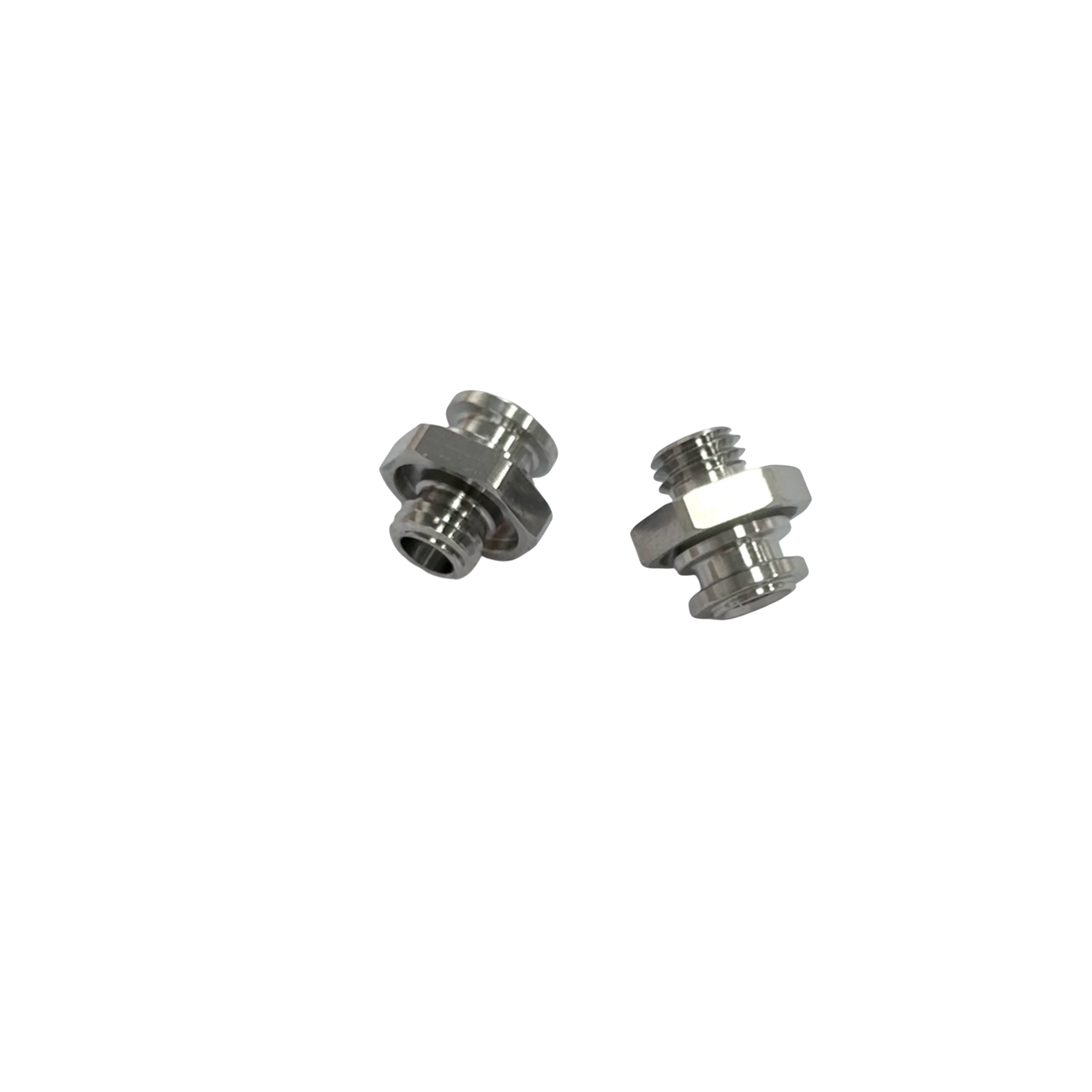
Small turned parts are often defined by the relationship between several features rather than by one tolerance alone. Diameter pairs, threads, grooves, runout-sensitive surfaces and mating interfaces receive the most attention where they directly affect assembly.
Typical Critical FeaturesOD / ID relationships, concentric or runout-sensitive features, internal and external threads, groove position, wall thickness, press-fit and locating diameters, burr-sensitive edges and visible cosmetic surfaces.
/ SMALL-PART MANUFACTURING
Why Small Electronics Components Demand Process Control
Thread ConsistencyTool condition and process stability influence pitch quality, usable thread depth and assembly feel across repeat batches.
Thin-Wall StabilitySmall tubes, sleeves and rings can be sensitive to clamping pressure, cutting force and downstream finishing.
Burr ControlGrooves, cross holes and intersecting features can create burrs in areas that directly affect assembly or movement.
Surface ProtectionChuck marks, tool marks and handling damage can become visible on consumer-facing metal surfaces, particularly after finishing.
/ PRODUCTION DEVELOPMENT
From First Article to Repeat Production
The manufacturing route becomes more valuable once an approved first article can be reproduced consistently across subsequent batches.
01
Process Setup
The initial machining sequence establishes how the main turned geometry and secondary features are produced.
02
First Article
Initial parts verify dimensional relationships, threads, fit and visible surface condition.
03
Process Validation
Critical features and inspection points are checked before production volume increases.
04
Tool-Life Control
Features affected by cutting-edge wear receive attention during longer production runs.
05
In-Process Inspection
Key dimensions and functional features are monitored during production according to their importance to assembly.
06
Repeat Production
Approved machining, inspection and finished-part requirements are carried into subsequent batches.
/ MATERIALS
Material Choice Changes Small-Part Machining
Material grade influences chip formation, tool wear, burr behavior, thread quality, surface finish and dimensional stability. FREEFLY CNC commonly machines steel, stainless steel, brass and aluminum for suitable compact-electronics components.
Material
Typical Components
Manufacturing Characteristics
Stainless Steel
Sleeves, shafts, threaded bodies and compact hardware
Tool wear, burr control, surface quality and dimensional repeatability are important on small features.
Carbon & Alloy Steel
Shafts, pins, inserts and functional hardware
Hardness, heat-treatment condition and downstream surface protection influence the machining route.
Brass
Connectors, threaded bodies and contact components
Good machinability supports small detailed features, while burrs, threads and contact surfaces still require control.
Aluminum
Lightweight housings, sleeves and small bodies
Thin-wall stability, cosmetic appearance and the dimensional effect of anodizing or other finishes can be important.
/ SURFACE CONTROL
Visible Surfaces and Functional Surfaces Serve Different Roles
Compact electronics often combine appearance-sensitive areas with features that control fit, electrical contact or mechanical assembly.
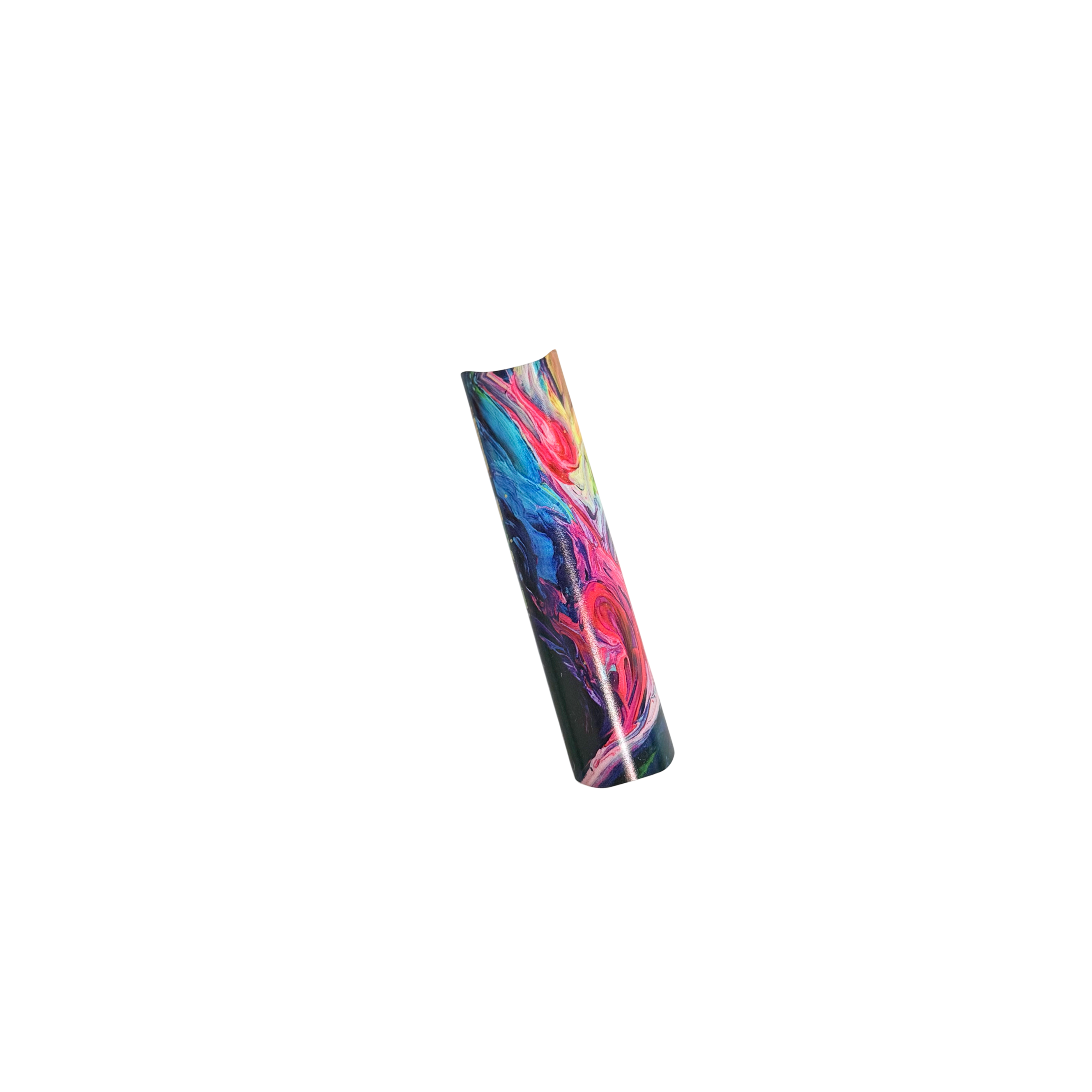
Cosmetic SurfacesExternal faces, rims, knurled details and other visible areas are sensitive to tool marks, scratches, finish consistency and handling damage.
Functional SurfacesThreads, mating diameters, contact faces, bores and locating surfaces are controlled primarily around fit, geometry and surface condition.
Finished-Part CoordinationWhere anodizing, plating, polishing or other finishing is required, masking, coating buildup and final dimensional requirements can be considered together with the machining route.
View Surface Finishing
/ QUALITY CONTROL
Inspection Focused on Assembly-Critical Features
Inspection for small electronic components is concentrated on the features that control fit, movement, thread engagement and finished-part condition.
/ Diameter & Fit & Fit
Micrometers, calipers and suitable dimensional inspection methods are used for controlled diameters, sleeve relationships and mating features.
/ Thread
Internal and external threads can be checked with appropriate thread gauges or dimensional methods according to the specification.
/ Surface Condition Condition
Visible areas are checked for relevant machining marks, handling damage and finish consistency where appearance forms part of the acceptance requirement.
No. FREEFLY CNC supports small turned metal components used across compact consumer electronics. Electronic-cigarette hardware is one application area within that broader manufacturing category.
Small shafts, pins, sleeves, bushings, threaded bodies, connectors, inserts and compact metal hardware are among the strongest fits, particularly where several turned features must remain consistent across repeat production.
Yes, where the component and finish requirements fit the manufacturing route. Visible surfaces can be managed separately from functional threads, bores and mating areas so appearance and dimensional requirements are considered together.
Yes. Cross holes, flats, slots, tapping and selected milled features can be included where the finished component requires more than rotational geometry alone.
Yes. Prototype and first-article parts can verify fit, critical dimensions and surface requirements before the process moves into stable batch and repeat production.