/ PRECISION TURNING & MACHINING
Precision CNC Turning & Machining Capabilities
From Prototype Validation To Stable Production Of Small Precision Components
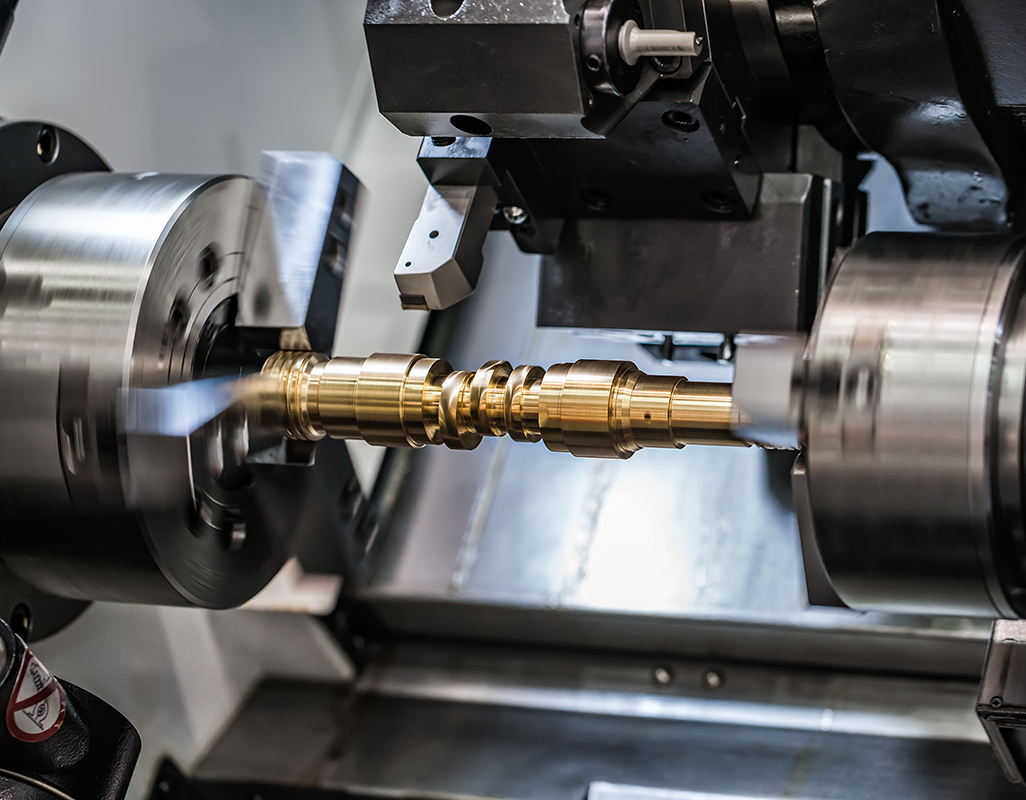
FREEFLY CNC specializes in precision turned and machined components for consumer products and related applications. Swiss turning and CNC turning remain the core, while complementary machining, secondary operations and surface finishing help complete production-ready parts.
TURNING-LED
MANUFACTURING FIT
MANUFACTURING FIT
Ø38 MM
Maximum Swiss-Type Bar Capacity
±0.01 MM
Typical Machining Tolerance
~7 DAYS
Typical Sample Lead Time
500+ PCS
Batch Production Strength
ISO 9001
Certified Quality Management
/ PROJECT FIT
Is FREEFLY CNC A Good Fit For Your Part?
Our manufacturing setup is particularly suited to small precision components that need reliable turning, repeatable batch production and coordinated secondary processes.
Part Requirement
Fit
Recommended Route
Small-diameter round components
Strong Fit
Swiss / CNC Turning
Long or slender turned parts
Strong Fit
Swiss Turning
500+ repeat production
Strong Fit
Swiss / Automatic Lathe
Prototype before batch production
Supported
Sample validation then production
Cross holes, flats or slots
Supported
Turning + secondary machining
Complex prismatic components
Selective
CNC milling / machining
Large structural machining
Not Core
Engineering review
/ PROCESS SELECTION
Choose The Manufacturing Route That Fits The Part
Process selection depends on geometry, tolerance, material, annual volume and secondary features. Each part is matched to a practical route before manufacturing details are confirmed.
PART
GEOMETRY
01
Long / slender / small diameter
Swiss Turning
Best starting point for small precision components with length-sensitive geometry.
02
Predominantly rotational
CNC Turning
Controls diameters, bores, grooves, threads and round features.
03
Simple rotational + repeat volume
Automatic Lathe
Production efficiency matters when geometry is stable and repeatable.
04
Flats / cross holes / pockets
Turning + Machining
Completes the part when turning alone cannot finish functional geometry.
/ CORE PROCESSES
Turning-Led Manufacturing, Supported By Complete Secondary Capabilities
Swiss turning and CNC turning are the primary production routes. Supporting machining, finishing and materials complete the component workflow.
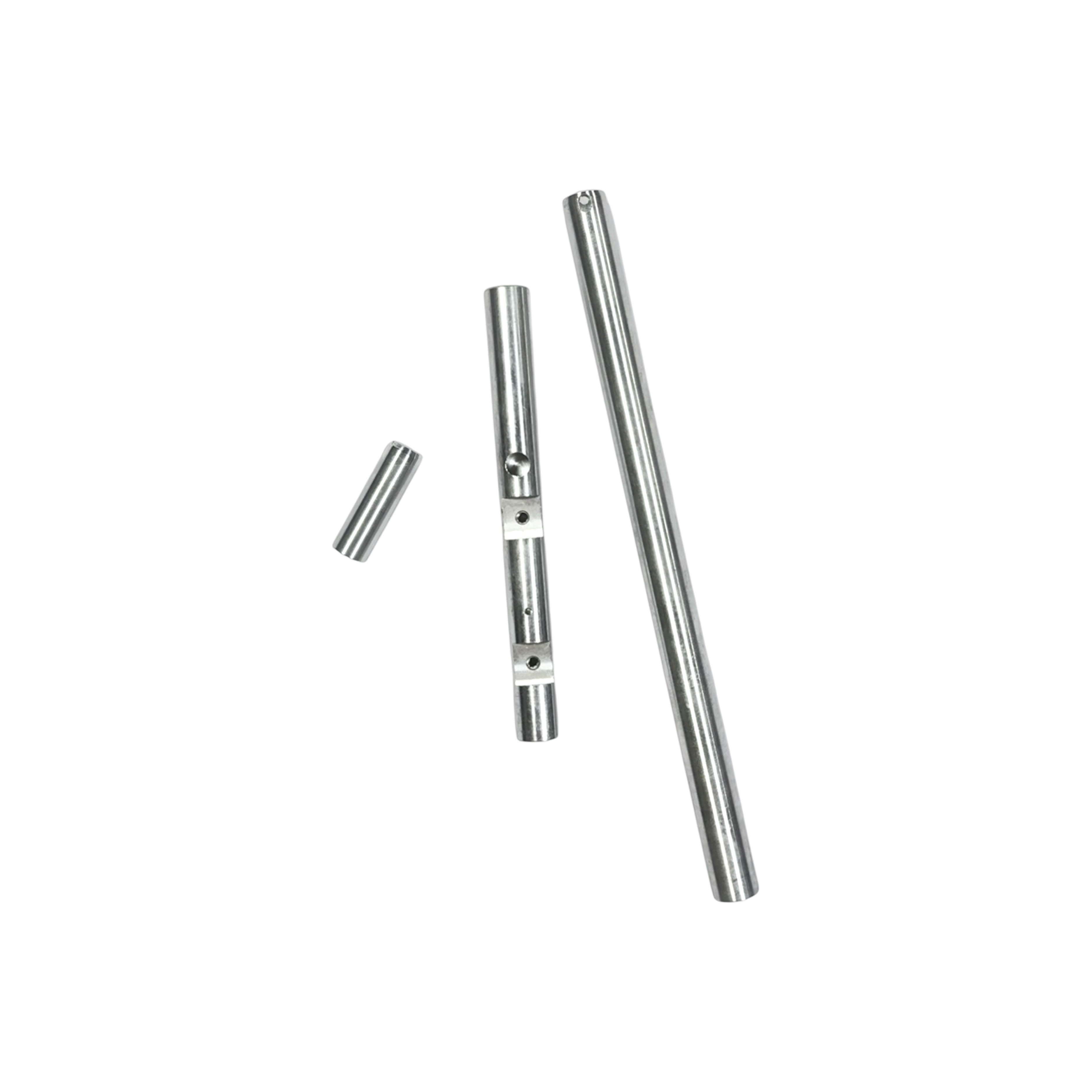
Swiss Turning
For Small, Slender And Repeat-Production Components
Guide-bushing-supported machining is effective where small diameter, length-to-diameter ratio, concentricity and repeatability matter.
Best For
Precision shafts / pins / sleeves / connectors / valve components
Key Value
Up to Ø38 mm Swiss-type bar capacity
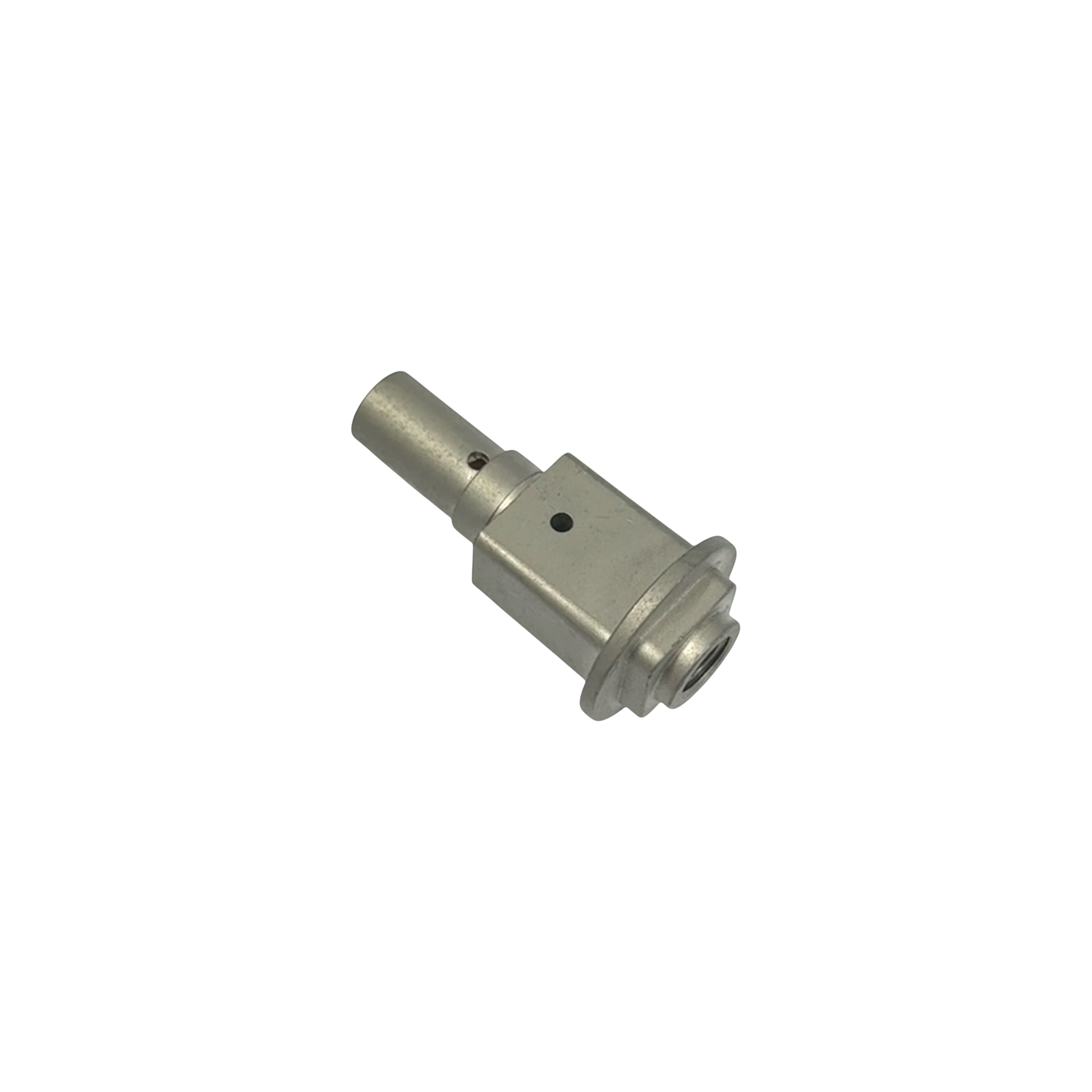
CNC Turning
For Precision Rotational Components
Flexible turning for round parts requiring controlled diameters, threads, grooves, bores and repeatable batch production.
Best For
Shafts / threaded components / bushings / sleeves / fittings
Key Value
Typical tolerance around ±0.01 mm for suitable features
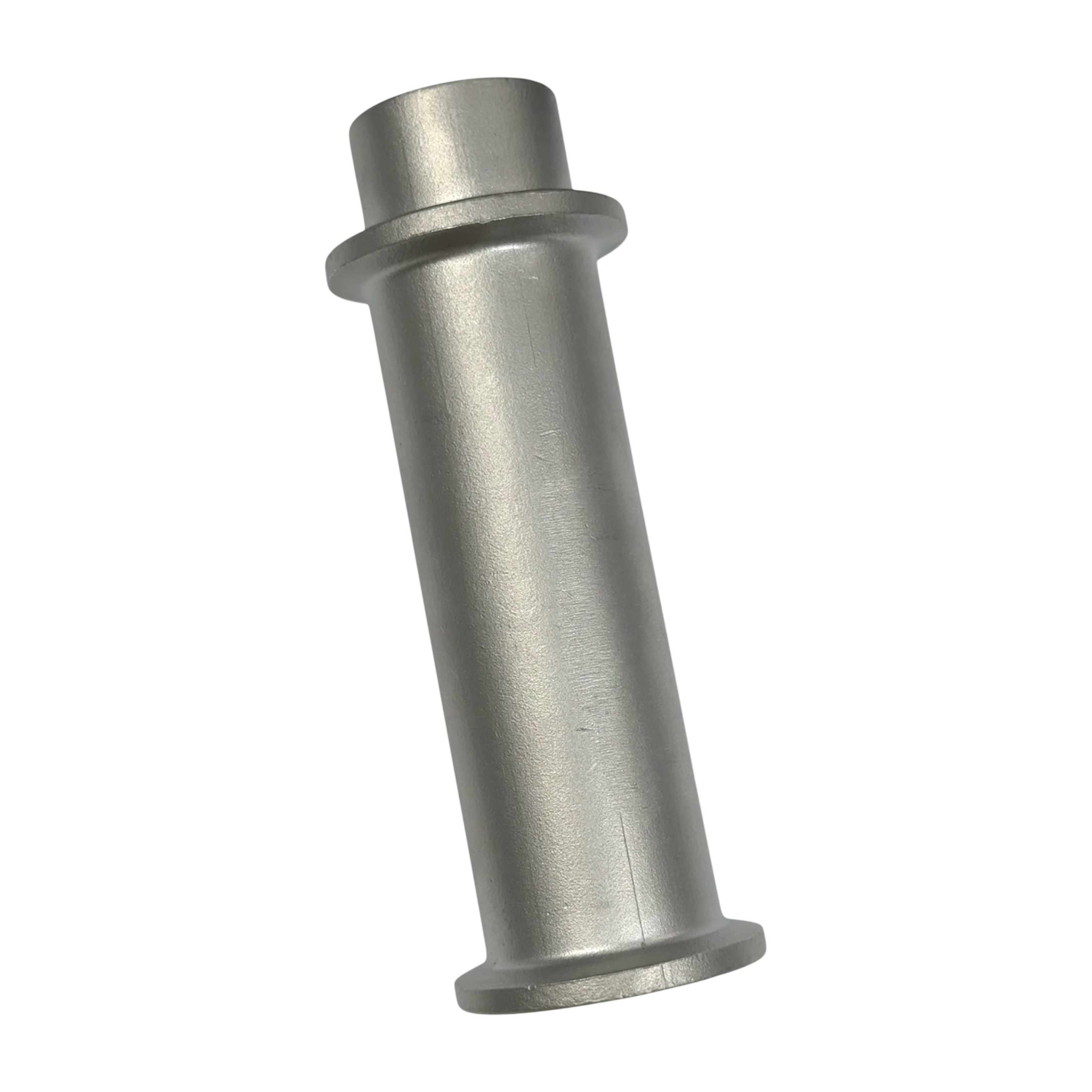
Automatic Lathe Machining
For Repeat Volumes Of Stable Geometry
Useful where part geometry is relatively stable and production efficiency becomes a major cost driver.
Best For
Pins / simple shafts / bushings / inserts / threaded fittings
Key Value
Production-friendly for repeat orders
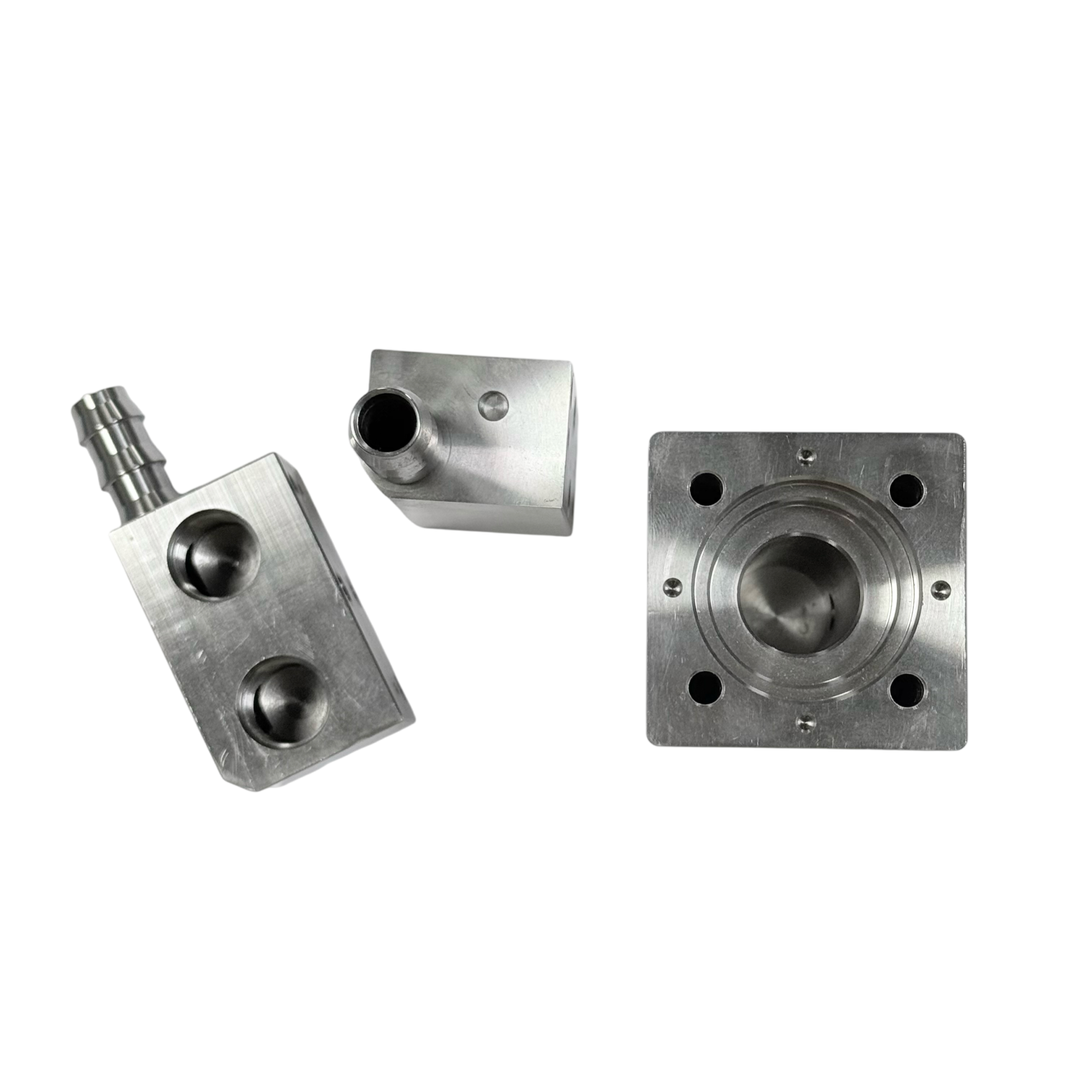
CNC Machining
For Features Beyond Turning
Adds flats, cross holes, pockets, slots and other non-rotational details where turning alone cannot complete the drawing.
Best For
Cross holes / flats / pockets / mounting features
Key Value
Completes turned components in one coordinated route
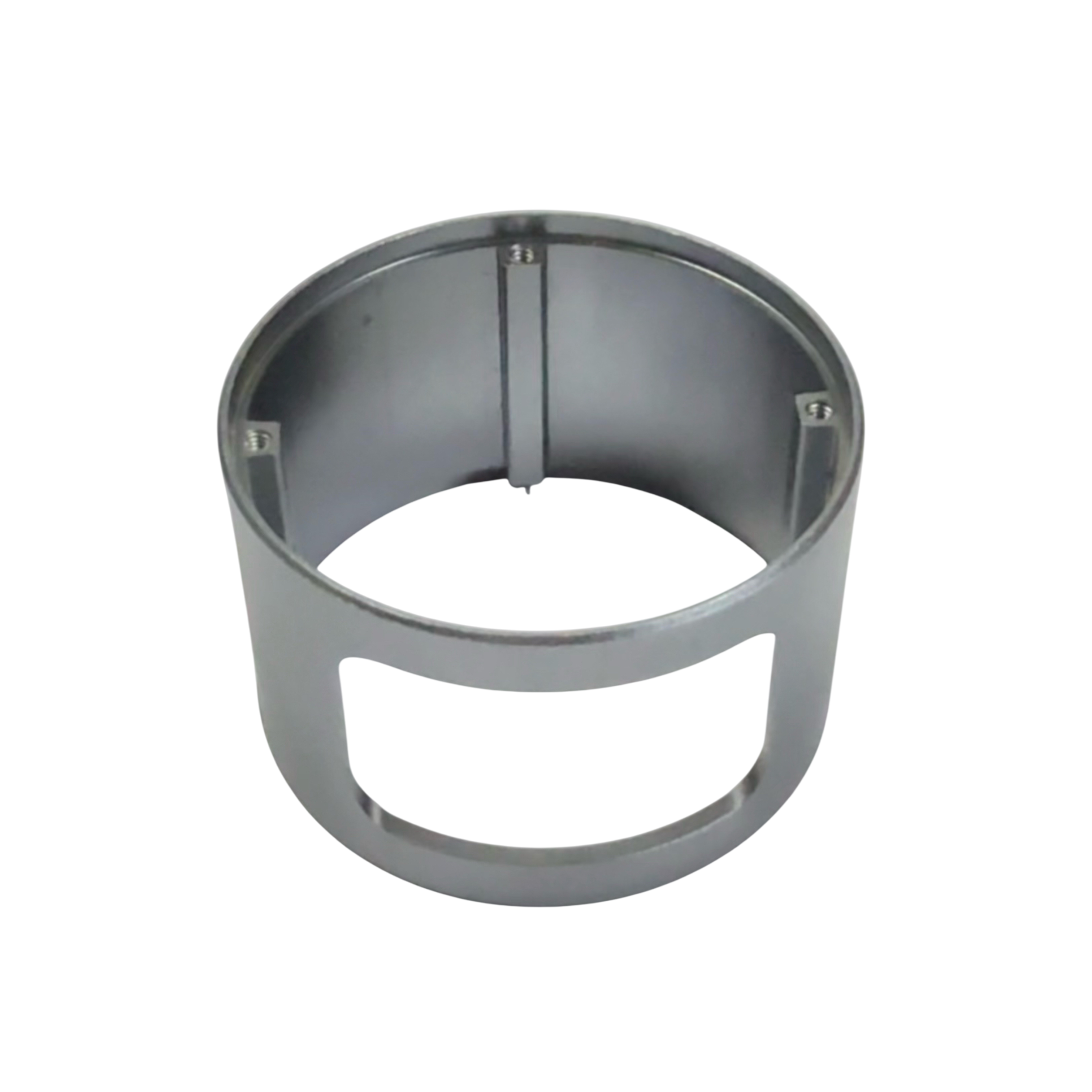
CNC Milling
Complementary Milling For Complete Components
Supports surfaces, slots and mounting details on turned components or selected non-rotational parts that fit current capability.
Best For
Slots / flats / pockets / fixture-facing surfaces
Key Value
Used as a supporting process, not platform positioning
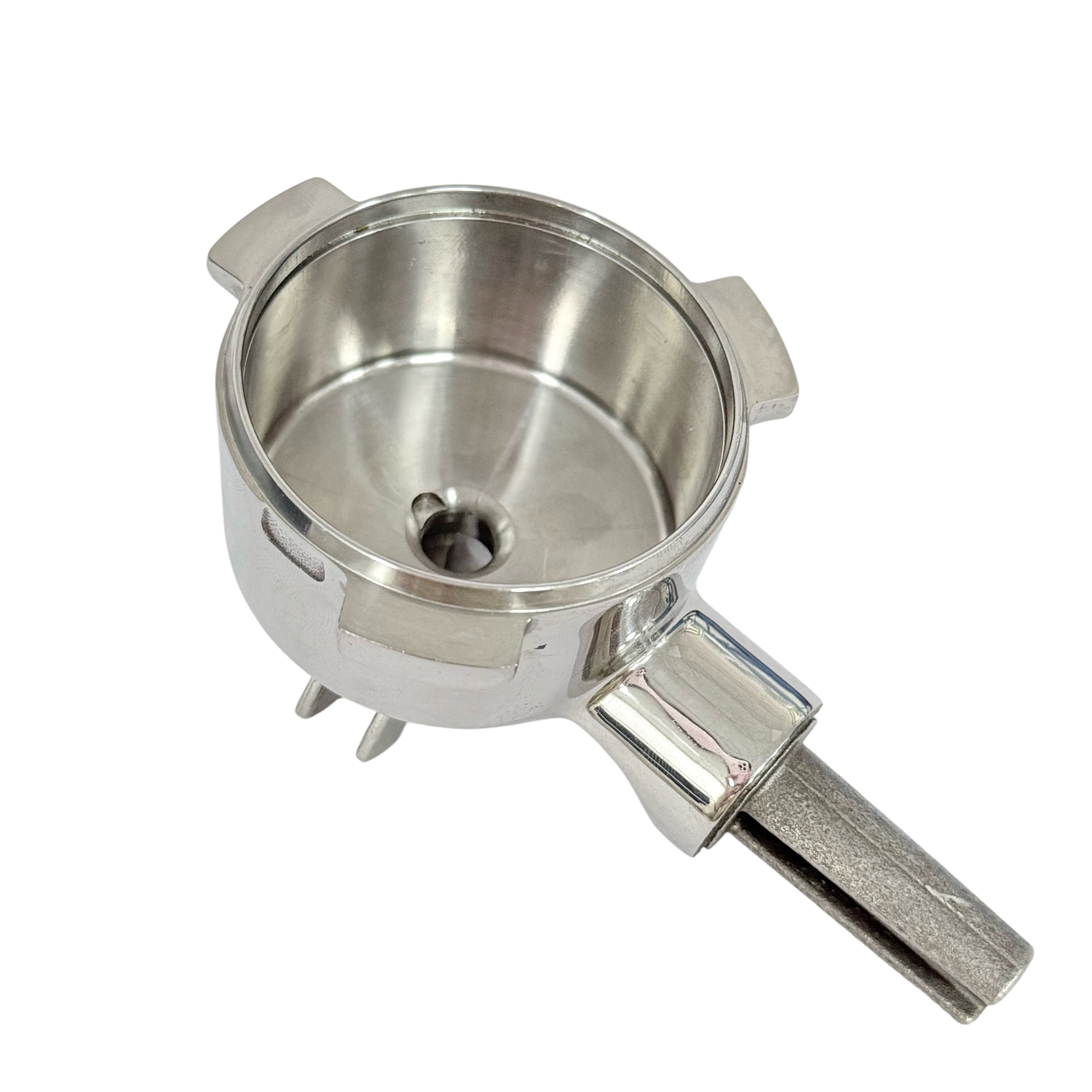
Secondary Operations
Reduce Supplier Handoffs
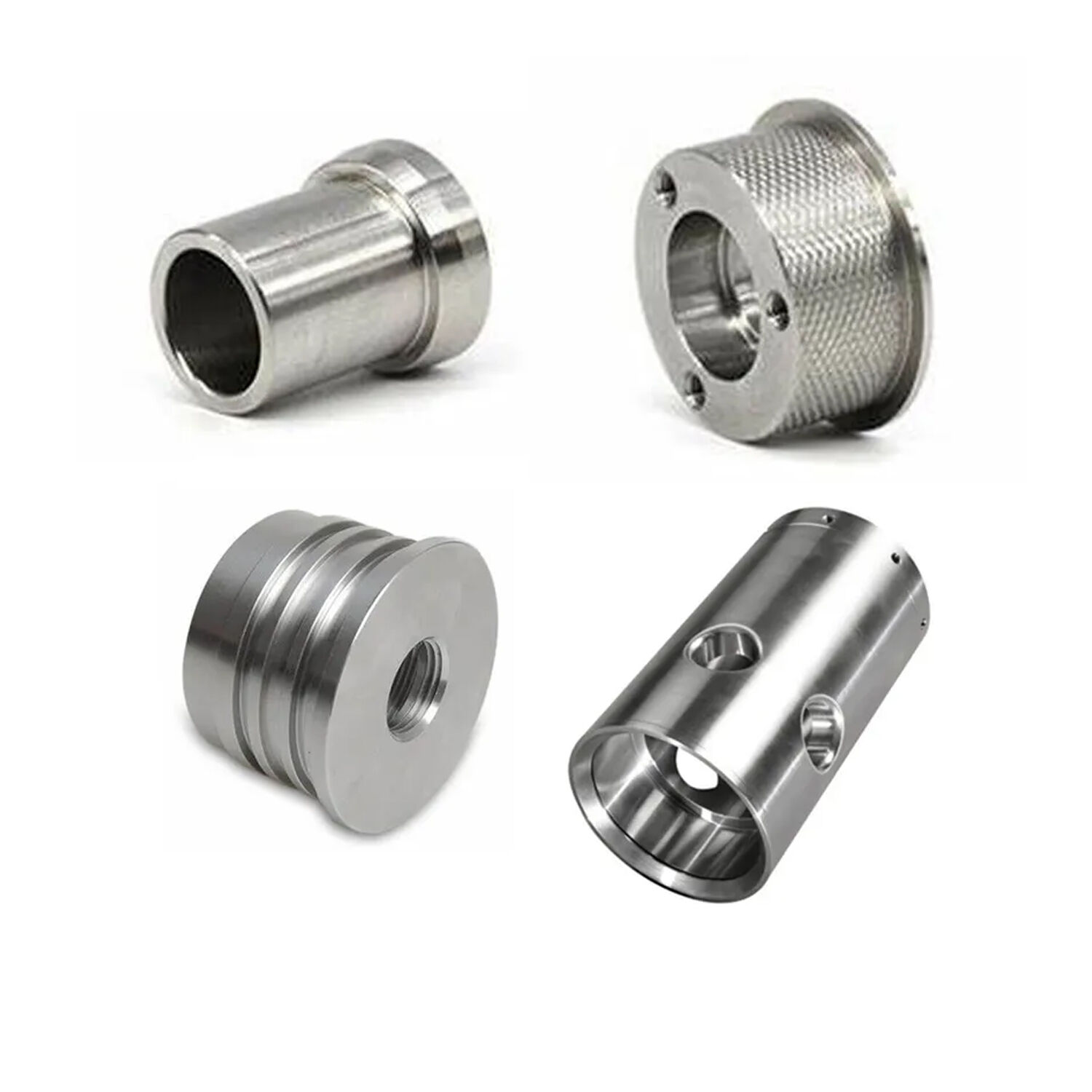
Selected drilling, tapping, reaming, knurling, deburring, marking and light assembly can be coordinated with the main process.
Best For
Functional holes / threads / edge breaks / marking
Key Value
Lower handoff risk across machining, finishing and inspection
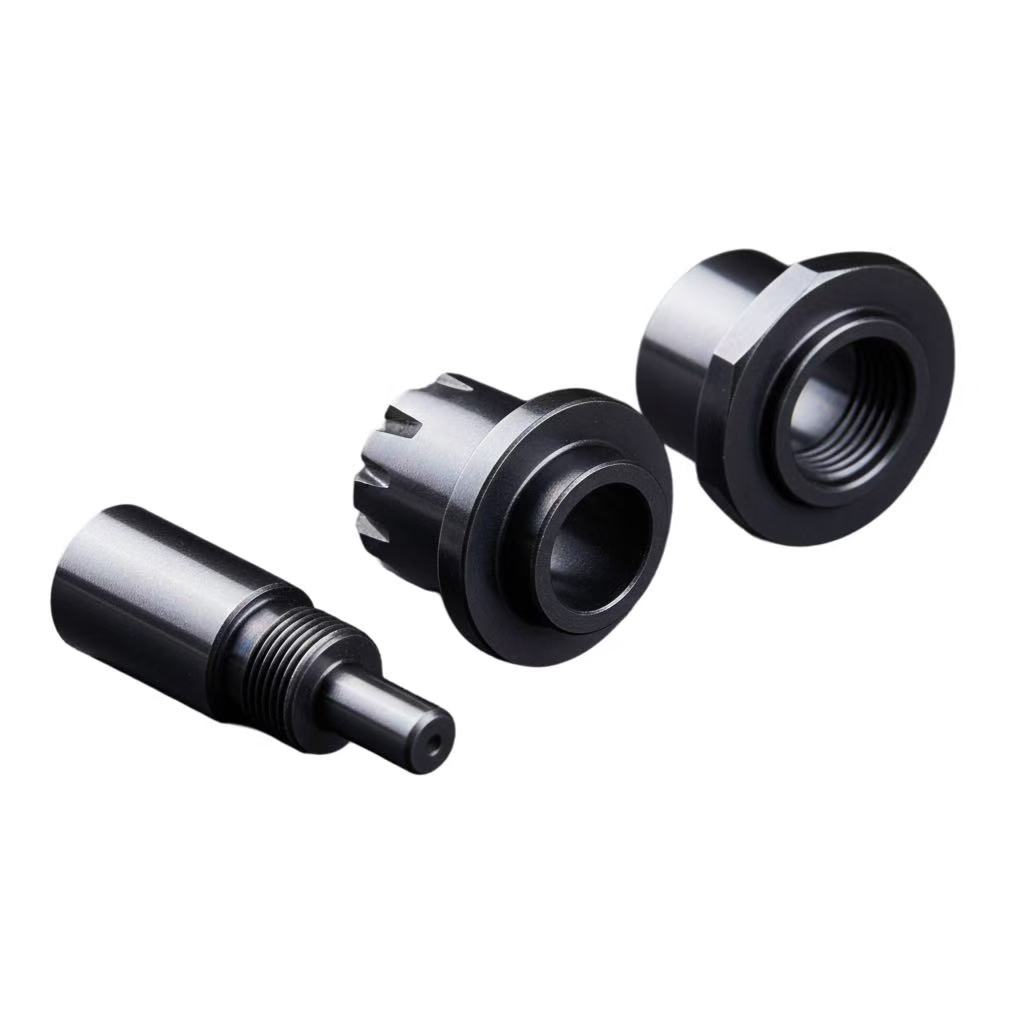
Surface Finishes
For Function, Protection And Appearance
Project-specific finishing can support corrosion resistance, cosmetic surfaces, marking and assembly-facing requirements.
Best For
Plating / passivation / polishing / anodizing / black oxide
Key Value
Finish decisions reviewed with material and application
Materials
Selected For Performance And Manufacturability
Material choice is reviewed alongside geometry, finish, machining behavior and application requirements.
Best For
Steel / stainless steel / brass / aluminum / selected plastics
Key Value
Material and finish reviewed before production
/ PART EXPERIENCE
The Types Of Components We Are Built To Produce
Many projects begin with part geometry rather than process names. These examples connect common part families with practical manufacturing routes.
Precision Shafts
Long or stepped rotational components requiring controlled diameter and concentricity.
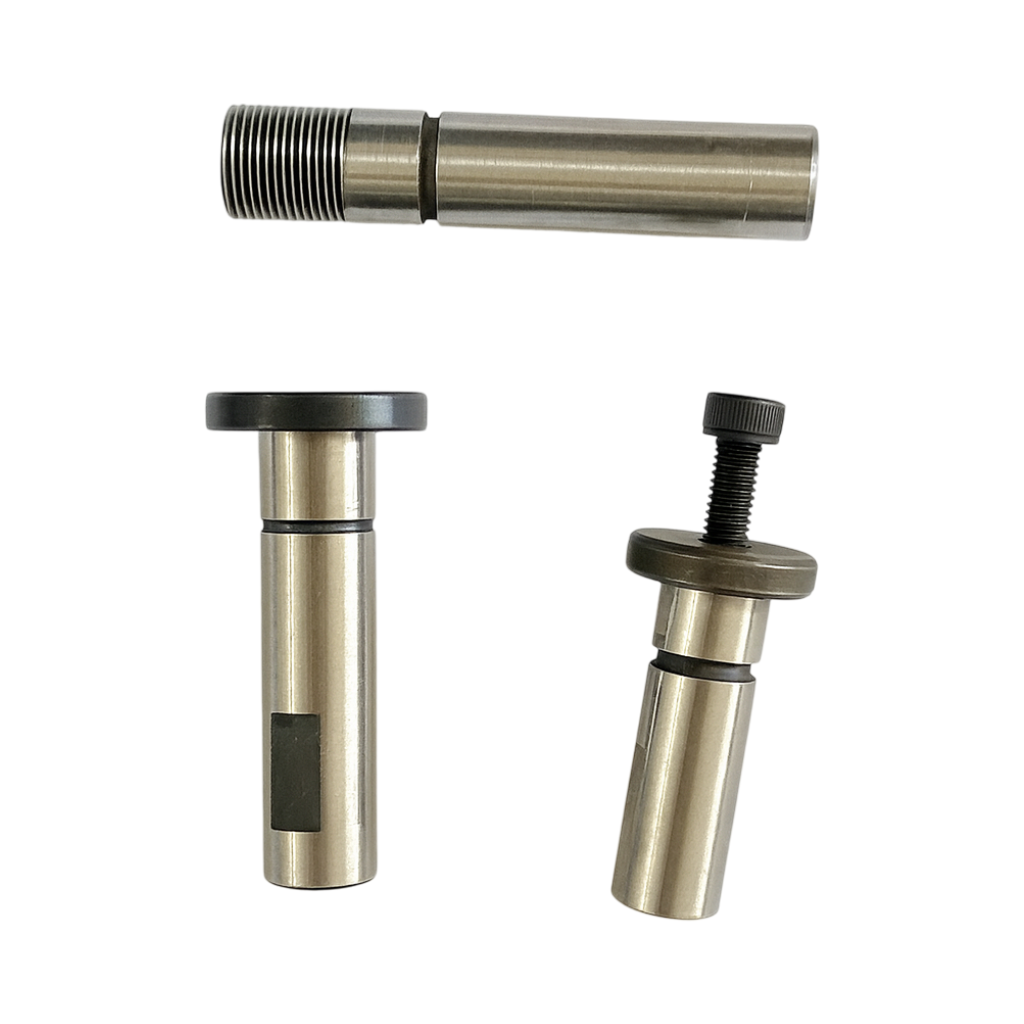
Bushings
Precision internal and external diameters for fit, spacing and rotational interfaces.
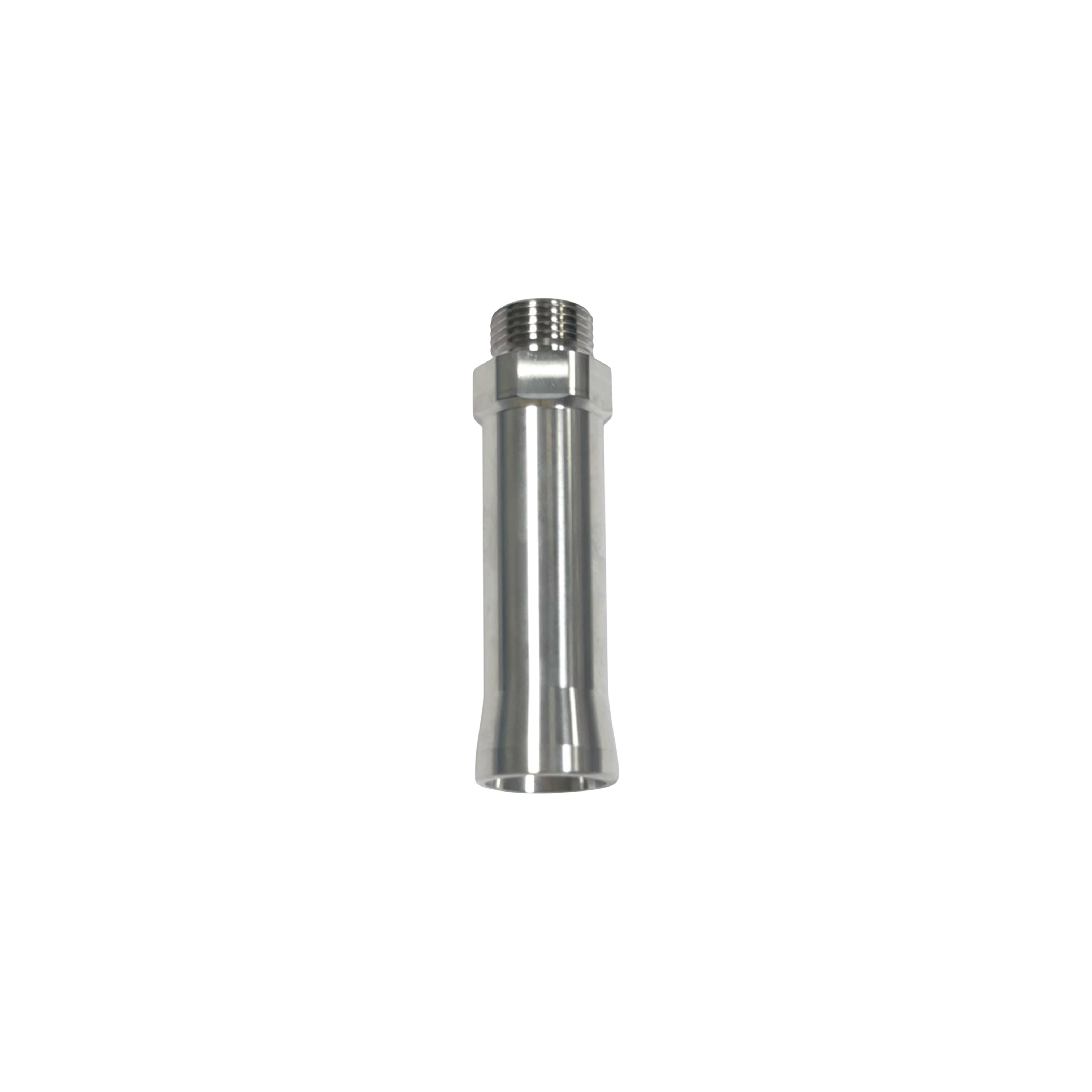
Sleeves
Thin or stepped cylindrical components used in mechanical and consumer assemblies.
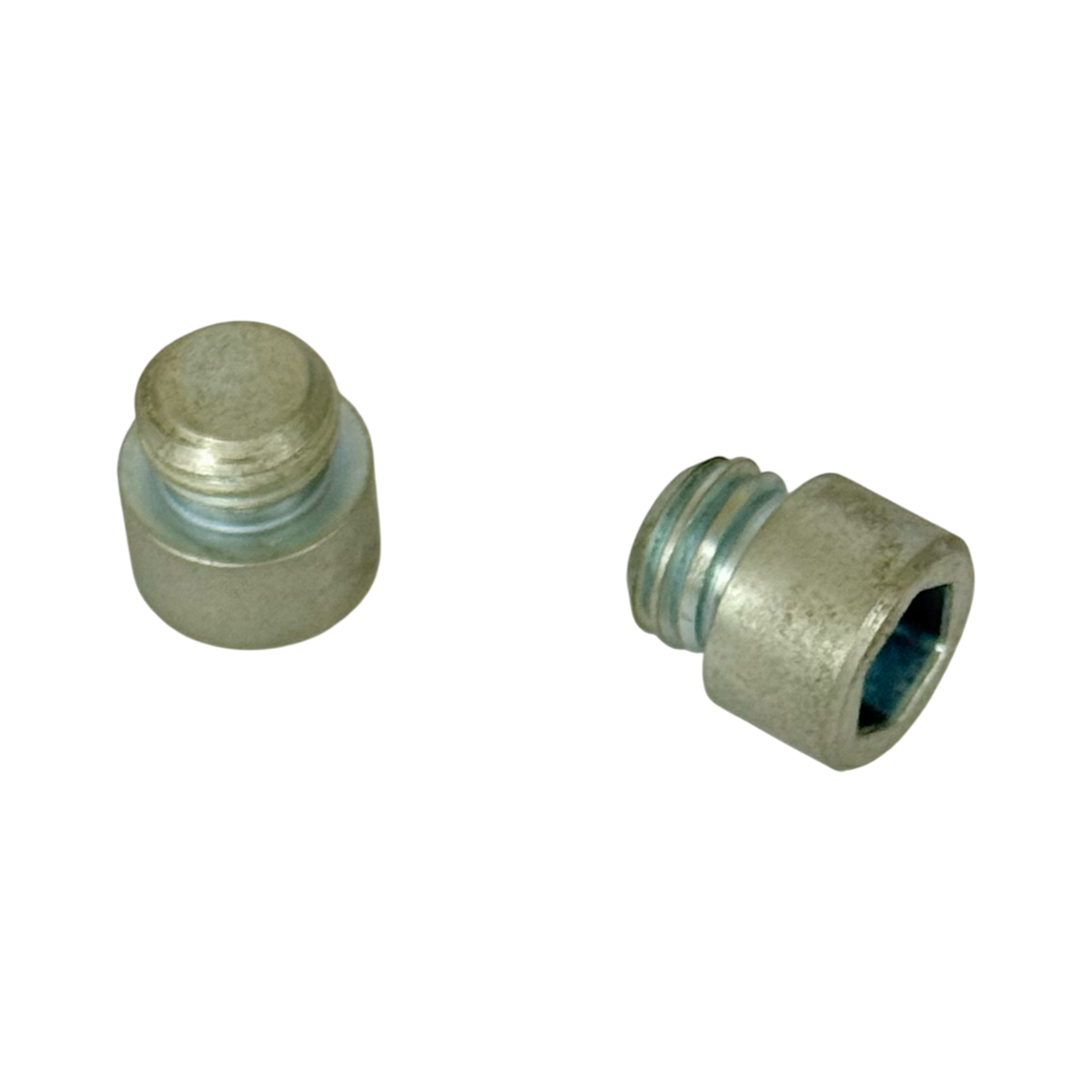
Threaded Components
External and internal threaded components with controlled functional features.
Connectors
Brass, steel and stainless connection components used across consumer and related applications.
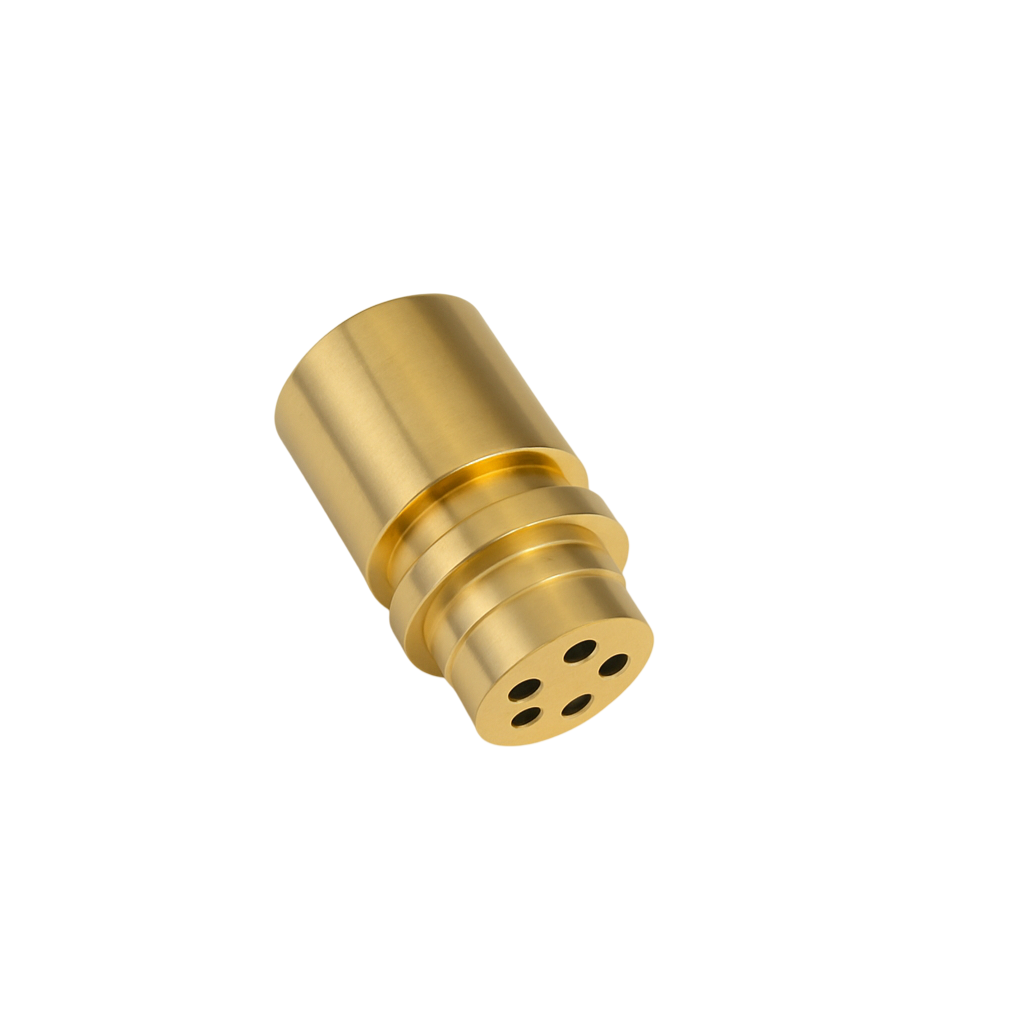
Nozzles
Small machined flow or dispensing components with controlled internal features.
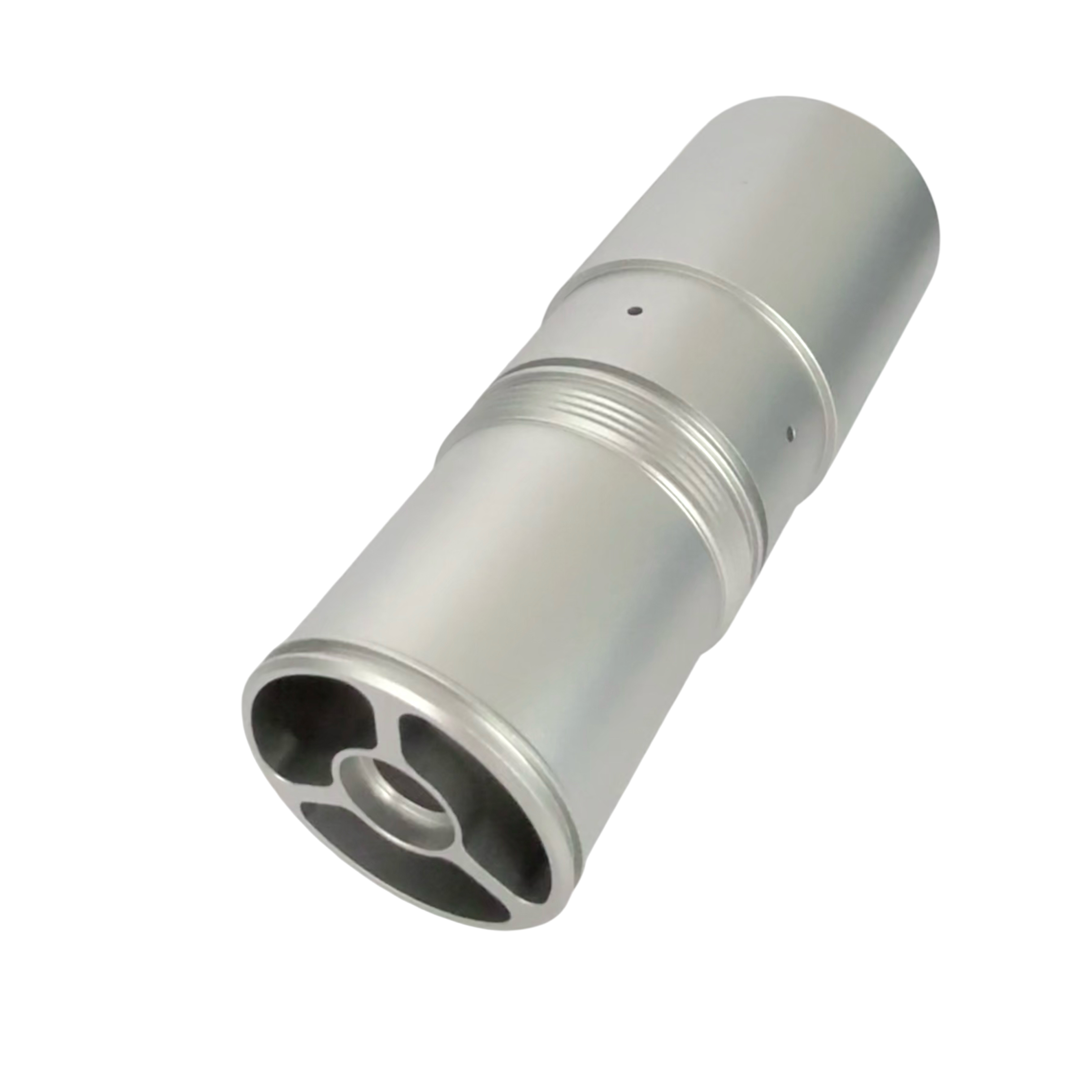
Valve Components
Valve cores, sleeves and related precision turned components.
/ ENGINEERING REFERENCE
Capability Snapshot
Actual tolerance, lead time and process route depend on geometry, material, critical dimensions, quantity and inspection requirements. These figures are practical references for early project planning.
Core Processes
Swiss Turning / CNC Turning
Supporting Processes
CNC Machining / Milling / Secondary Operations
Swiss Bar Capacity
Up to Ø38 mm
Typical Machining Tolerance
Approx. ±0.01 mm, feature-dependent
Prototype Support
Yes
Typical Sample Lead Time
Approx. 7 days
Production Strength
500+ pcs and repeat production
Core Materials
Steel / Stainless Steel / Brass / Aluminum
Material Fit
Grade, geometry, finish and production volume matched before production
Quality System
ISO 9001
Surface Finishing
Available according to project requirements
/ PRODUCTION PATH
One Good Part Isn't Enough.
A successful prototype proves geometry. A controlled manufacturing route proves production readiness when the project moves into repeat orders.
01
Part Definition
Geometry / tolerance / material
02
Sample Production
Manufacturing validation, typical ~7 days
03
First Article Check
Critical dimensions / assembly fit
04
Batch Production
500+ pcs production-friendly
05
Repeat Supply
Controlled process and inspection
/ MANUFACTURING BOUNDARY
Manufacturing Decisions Before Metal Is Cut
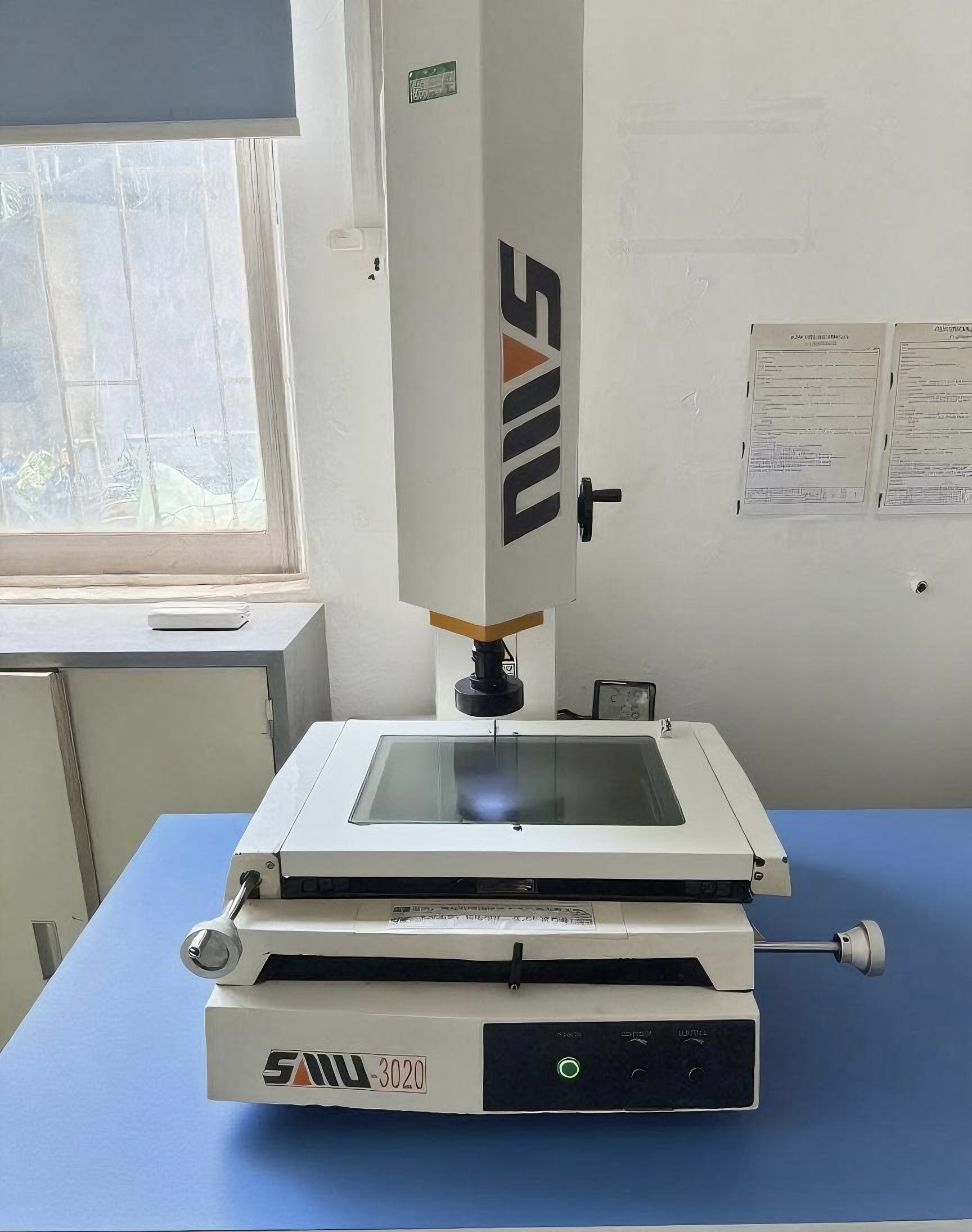
Drawing & Tolerance Review
Review critical dimensions, tolerance relationships and features that may affect process stability or inspection.
Process Selection
Determine whether Swiss turning, CNC turning, automatic lathe machining or a combined process provides the better route.
Material Consideration
Evaluate machinability, functional requirements and downstream finishing needs.
Production Planning
Consider quantity and repeat demand before defining the manufacturing approach.
/ PRODUCTION CONTROL
Quality Is A Manufacturing Process, Not A Final Check
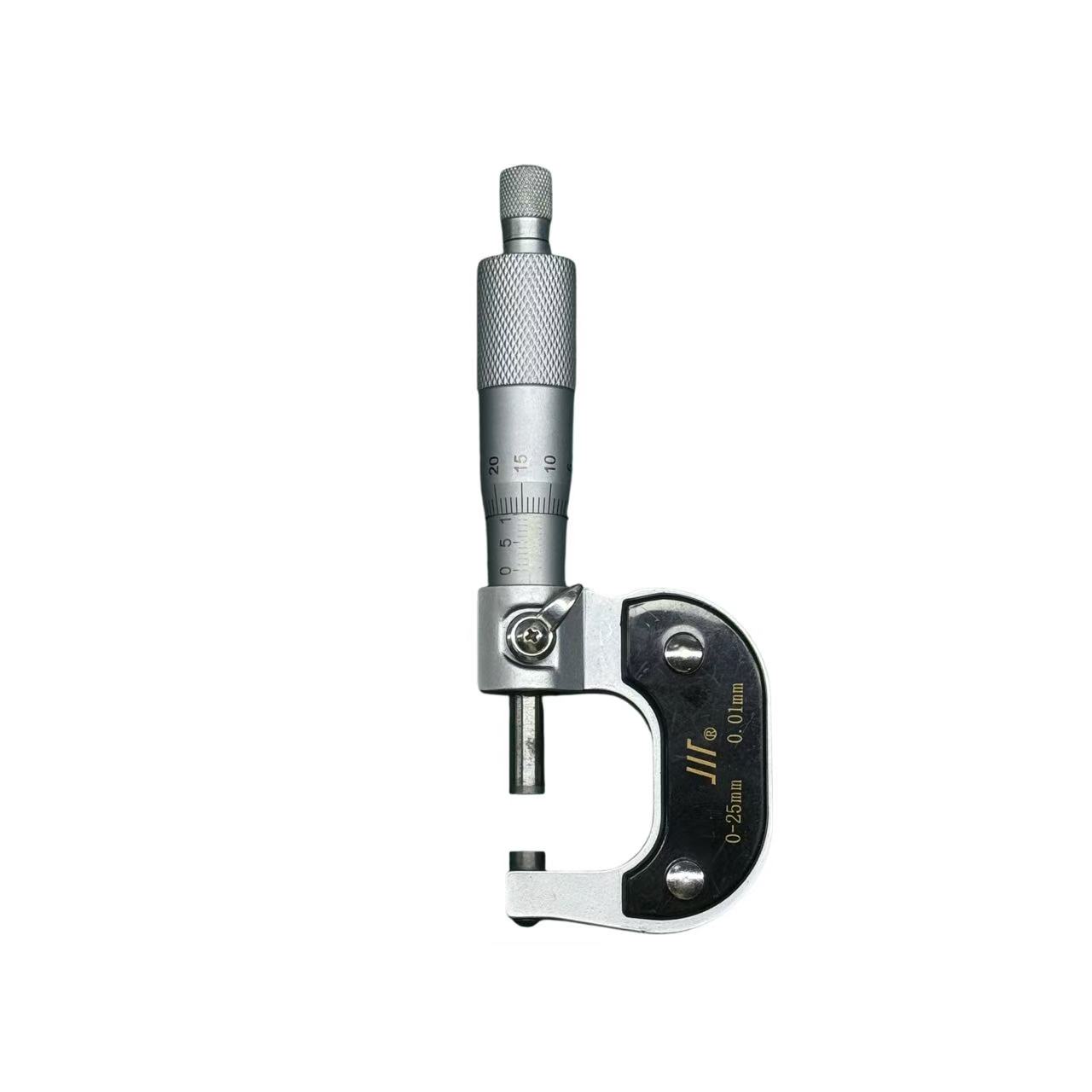
ISO 9001 supports the quality system, with dimensional checks, visual review and release controls built into production.
ISO 9001
Certified Quality Management
01
Raw Material
Incoming verification
02
First Part
Initial dimension confirmation
03
Production
In-process measurement
04
Final Parts
Final dimensional and visual check
05
Shipment
Records / traceability as required
/ PRODUCTION RISKS CONTROLLED
Reduce Risk Before Production Scales
The manufacturing route is planned to reduce handoffs, sample-to-production gaps, batch variation and unclear technical requirements.
Multi-Step Coordination
Problem
Separate handling for turning, secondary features and finishing can add coordination work.
FLY Approach
Coordinate core machining and downstream operations through one manufacturing workflow.
Prototype / Production Gap
Problem
A sample can pass initial checks while production variation appears as quantity increases.
FLY Approach
Develop the manufacturing route with repeat production in mind from the beginning.
Batch Variation
Problem
Parts pass individually but drift over longer production runs.
FLY Approach
Use in-process measurement and controlled production checkpoints.
Unclear Technical Communication
Problem
Projects slow down when requirements are incomplete or interpreted differently.
FLY Approach
Confirm drawings, material, quantity and critical features before manufacturing starts.
/ APPLICATION CONTEXT
Precision Components For Product And Equipment Applications
These application areas reflect common contexts for small precision turned and machined components where fit, function and repeat supply matter.

Consumer Products
Small shafts, sleeves, connectors and visible metal components.
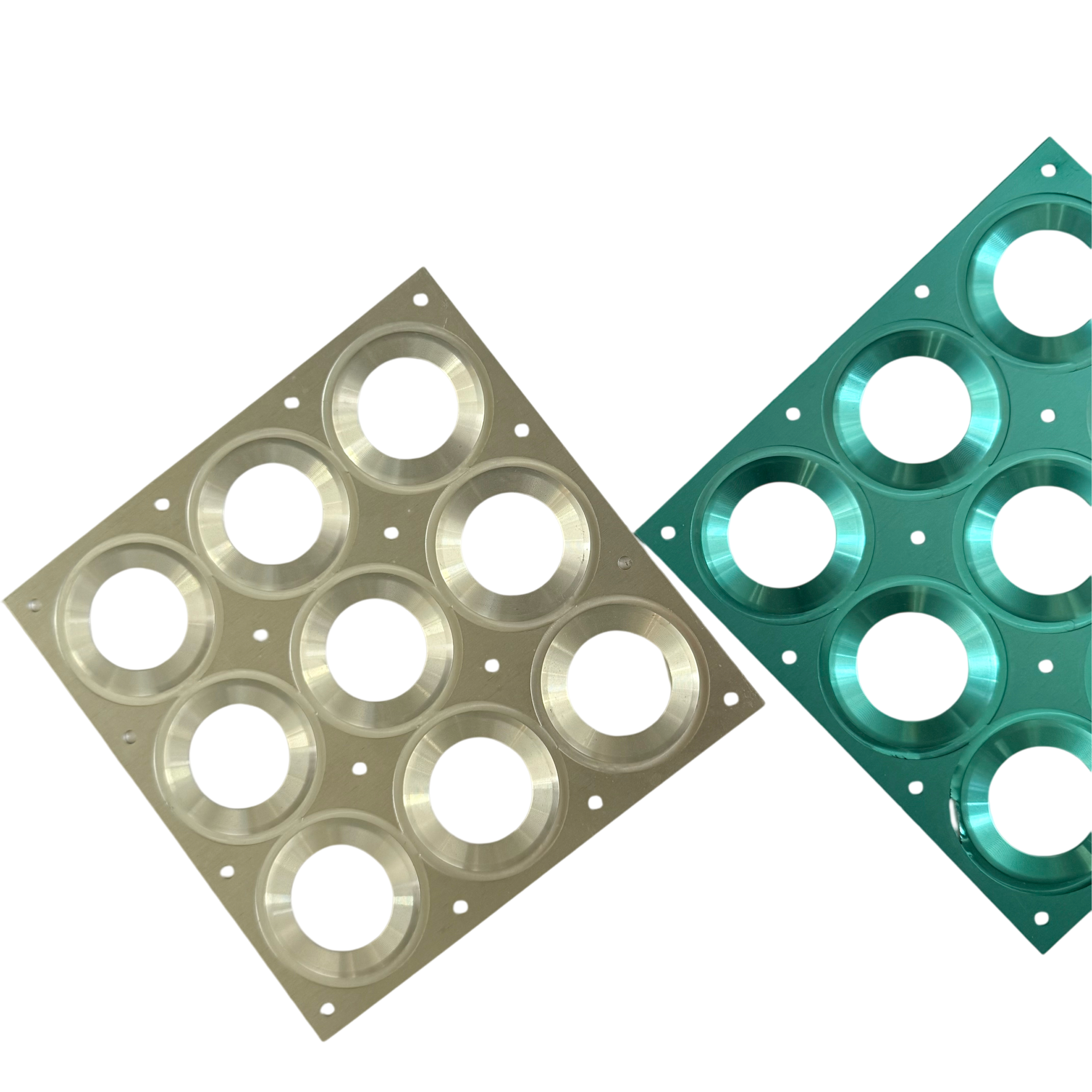
Consumer Electronics
Compact housings, inserts and small machined interfaces.
Smart Devices
Functional metal components for compact assemblies.
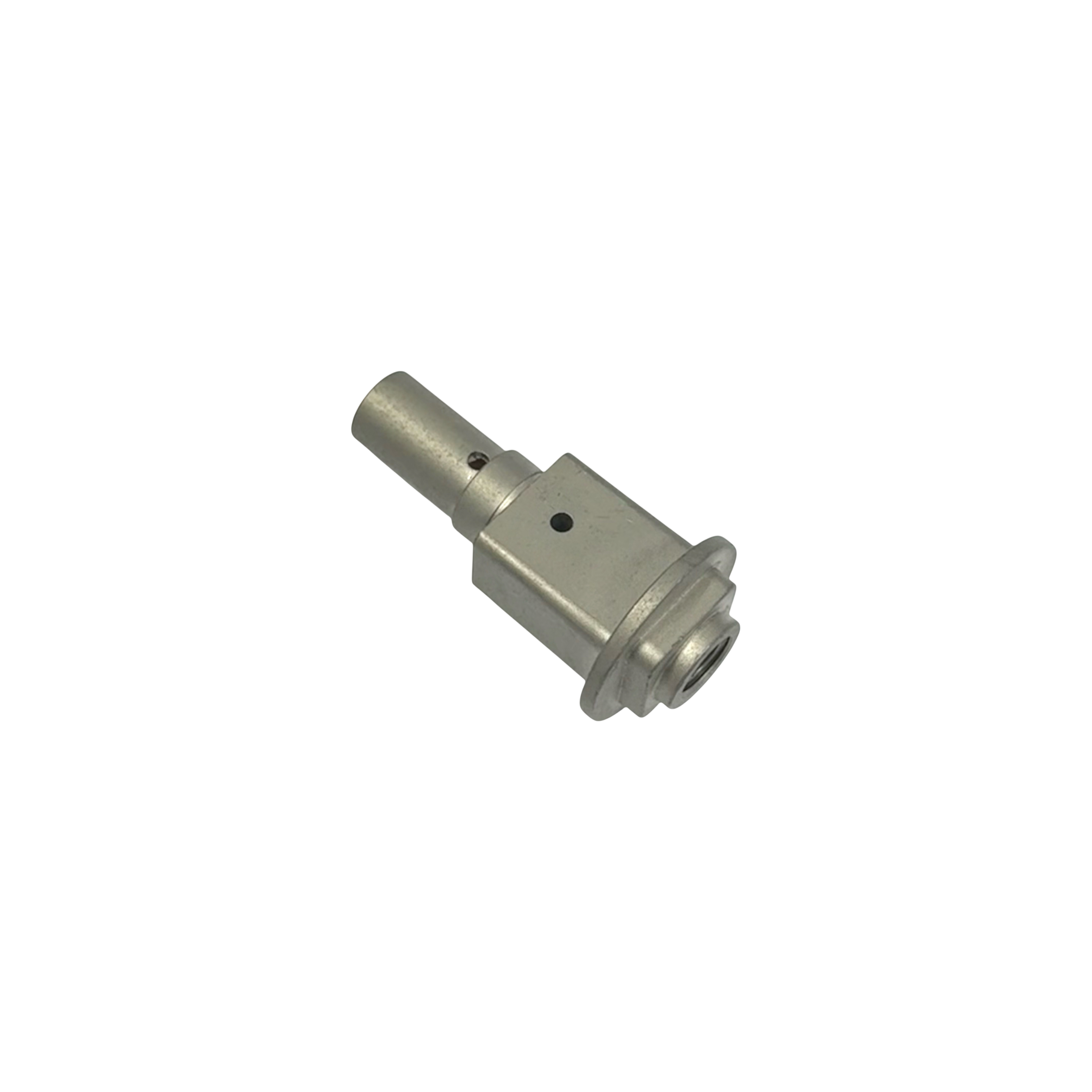
Metal Connection Components
Threaded, press-fit and mating features for assembly.
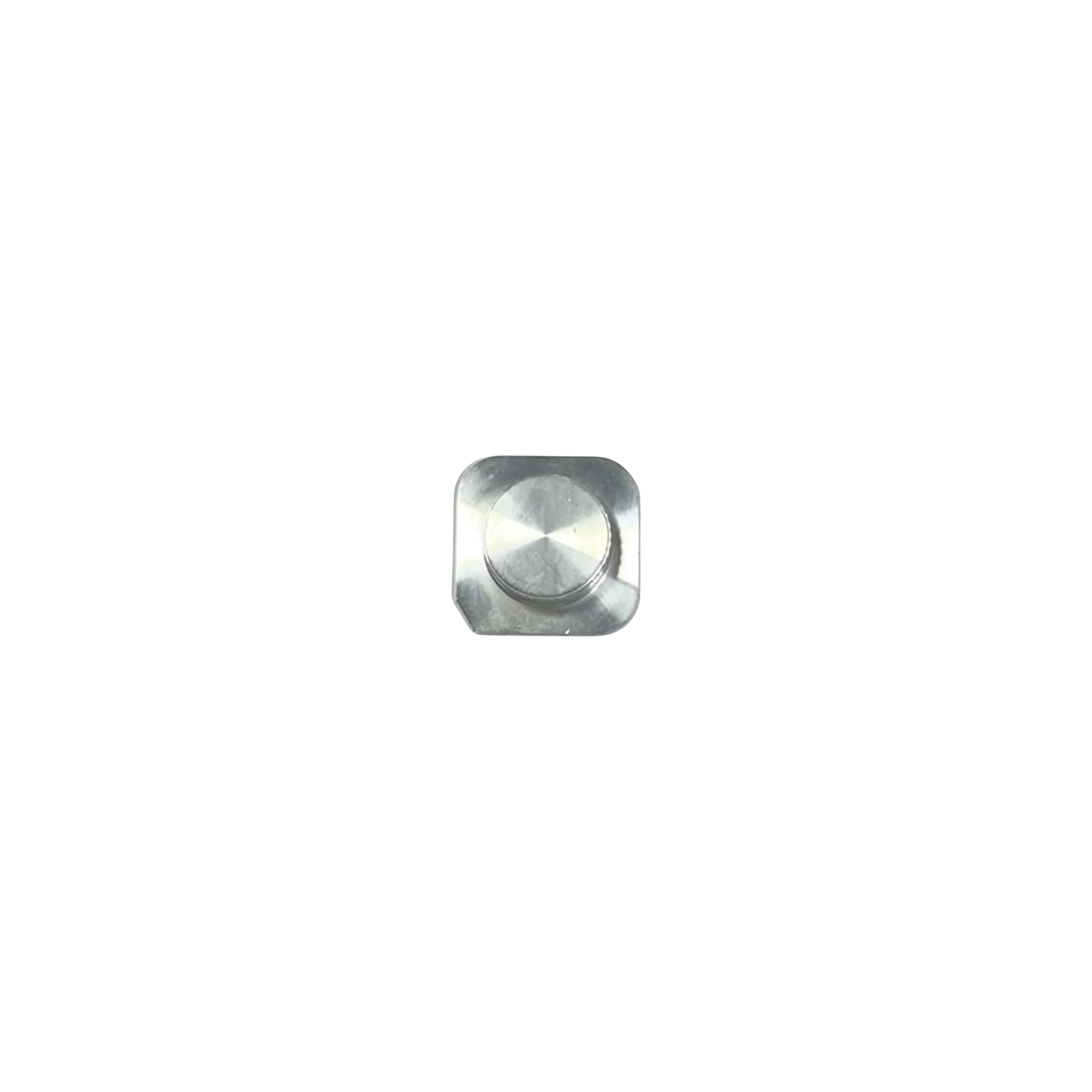
Fluid-Control Components
Small nozzles, sleeves and controlled internal features.
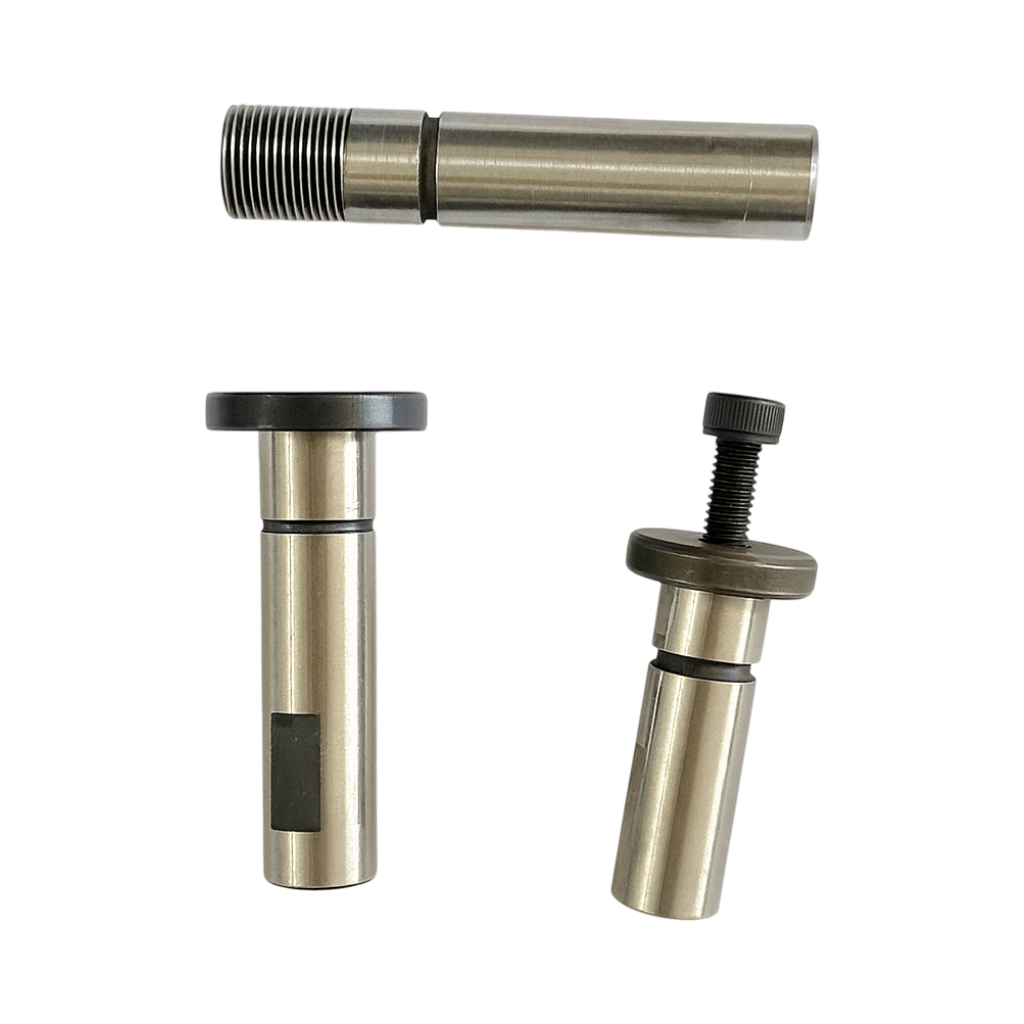
General Industrial Components
Repeat-production parts for non-safety-critical equipment assemblies.
/ MANUFACTURING EVIDENCE
From Drawing Requirement To Production Result
Representative part evidence shows the manufacturing details that matter most: part type, process route, material, critical requirement and control method.
Part
Representative turned component
Application
Assembly, motion, flow or fastening context
Process
Swiss / CNC turning with applicable secondary steps
Material
Material grade confirmed by drawing or purchase requirement
Key Requirement
Critical dimension, fit, thread or finish requirement
How It Was Controlled
Process and inspection method confirmed during review
Result
Production result shared when customer-approved data is available
/ CAPABILITY FAQ
Capabilities FAQ
Answers focus on manufacturing fit, prototype validation, process selection and tolerance confirmation.
Please provide a 2D drawing, 3D CAD file if available, material, estimated quantity, critical tolerances, surface finish requirements and target delivery. Application context is useful when function affects the manufacturing route.
Yes. Sample production can be used to validate geometry, critical dimensions and assembly requirements before moving into batch production.
No. FREEFLY CNC can support prototypes and sample validation. Production volumes of 500 pieces and above are particularly aligned with our batch manufacturing strengths.
The decision depends on part diameter, length-to-diameter ratio, geometry, tolerance requirements, material, secondary features and expected production volume. The best route depends on the actual geometry, material, tolerance requirements and expected production volume.
Yes, selected drilling, tapping, reaming, knurling, deburring, marking, finishing and related downstream operations can be coordinated according to project requirements.
Typical machining capability is around ±0.01 mm for suitable features, but achievable tolerance must be evaluated against geometry, material, feature type and inspection requirements.
/ START A MANUFACTURING PROJECT
Confirm The Route Before Production Starts.
Share the part geometry, material, quantity and critical requirements. FREEFLY CNC will confirm the suitable manufacturing route and whether the project fits our capabilities.