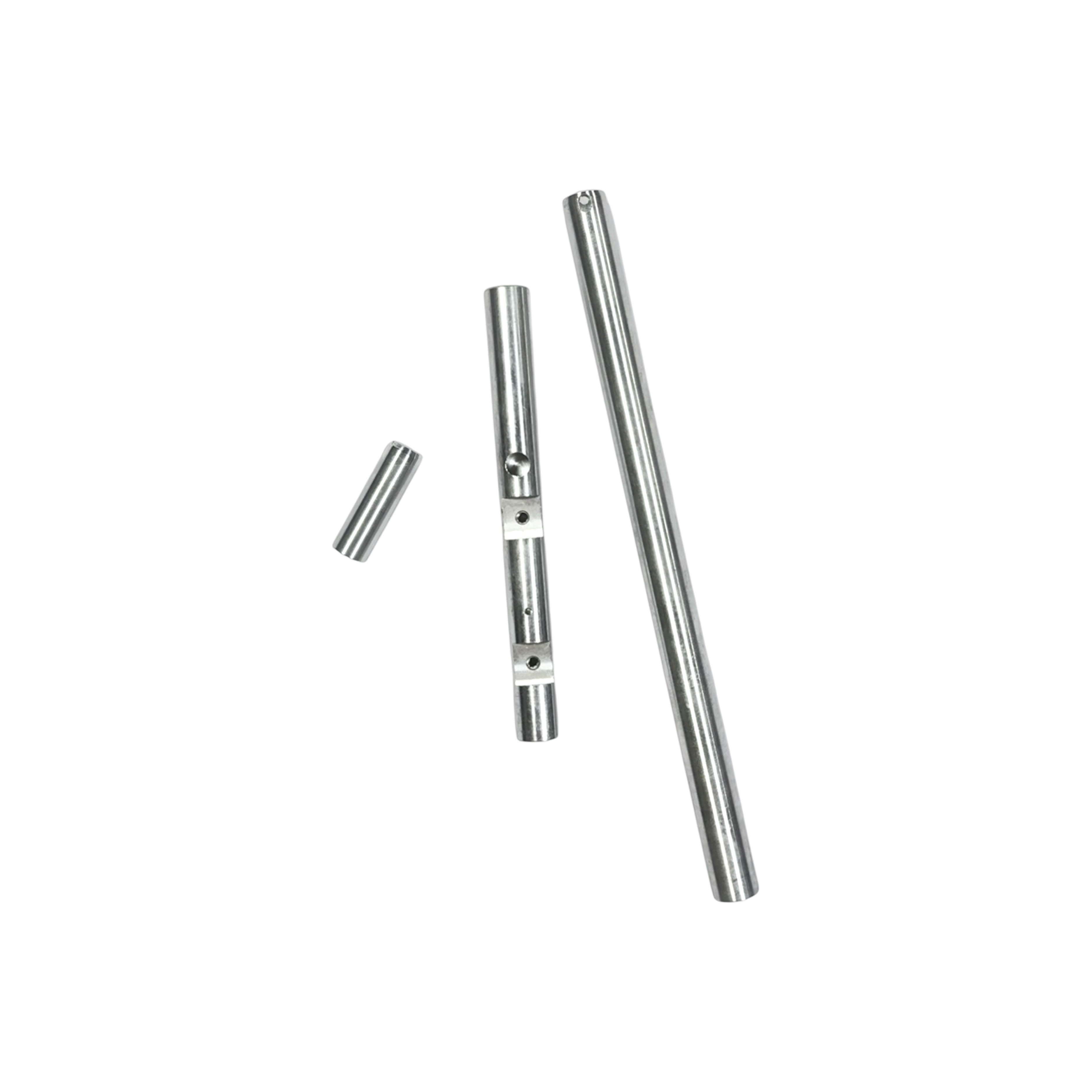
Precision Shafts
Controlled diameters, shoulders, threads and rotational interfaces.
OD / Shoulders / ThreadsDiscuss a similar partPRECISION CNC TURNING
From sample validation to repeat production for shafts, bushings, sleeves, connectors, threaded parts and other rotational components.
FREEFLY CNC manufactures precision turned components for consumer-product and related applications. We review part geometry, material, critical dimensions, quantity and secondary features before defining the turning route.
Share drawing, material, quantity and critical requirements for route confirmation.
02 / PROJECT FIT
CNC turning is strongest when the component is primarily rotational and the main functional features can be referenced from a central axis. Part length, diameter, tolerance, secondary features and production volume determine the better route.
CNC Turning
CNC Turning
CNC Turning
CNC Turning
CNC Turning / route check
Turning + secondary machining
Swiss Turning may be better
Automatic Lathe may be better
CNC Milling / Machining
03 / ROTATIONAL GEOMETRY
CNC turning is most efficient when critical geometry is built around a common rotational axis. Diameters, faces, shoulders, grooves, bores and threads can often be produced in a controlled sequence.
The process decision changes when the part becomes highly slender, contains dominant non-rotational features, or requires a route better suited to automatic or Swiss-type turning.
 DATUM AXIS
FACEODGROOVESHOULDERTHREADBORE
04 / ENGINEERING REFERENCE
Actual size range, tolerance, surface condition, lead time and process route depend on geometry, material, critical features, quantity and inspection requirements.
Send Drawing| Core Process | CNC Turning |
|---|---|
| Typical Tolerance | Approx. ±0.01 mm for suitable features |
| Sample Support | Typical sample route around 7 days after review |
| Production Support | Samples + repeat production; 500+ pcs is a strong production fit |
| Materials | Steel, stainless steel, brass, aluminum and other supported machinable materials |
| Secondary Operations | Available or coordinated according to project requirements |
| Quality System | ISO 9001 |
05 / TYPICAL TURNED COMPONENTS
Part families are organized by geometry, function and production fit.
Controlled diameters, shoulders, threads and rotational interfaces.
OD / Shoulders / ThreadsDiscuss a similar part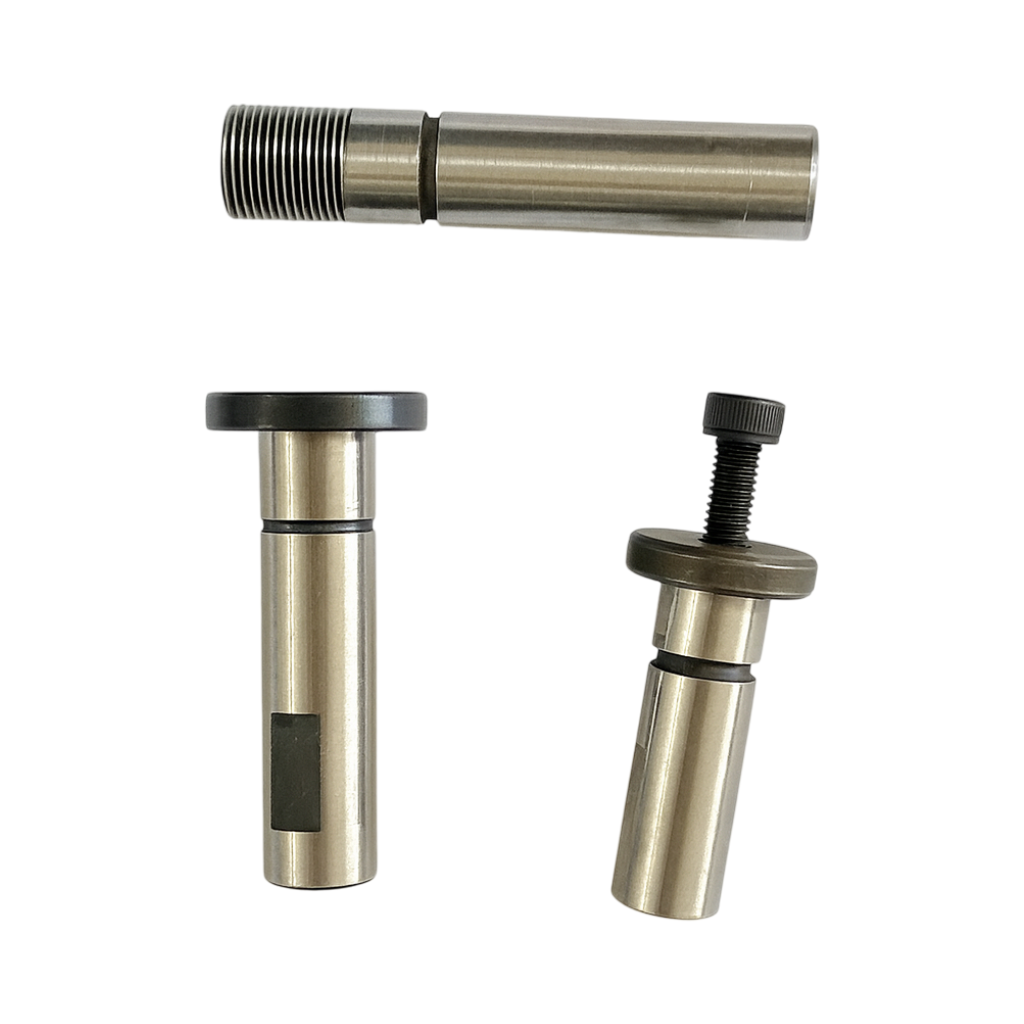
OD and ID relationships for fit, spacing and wear interfaces.
OD / ID / FitDiscuss a similar part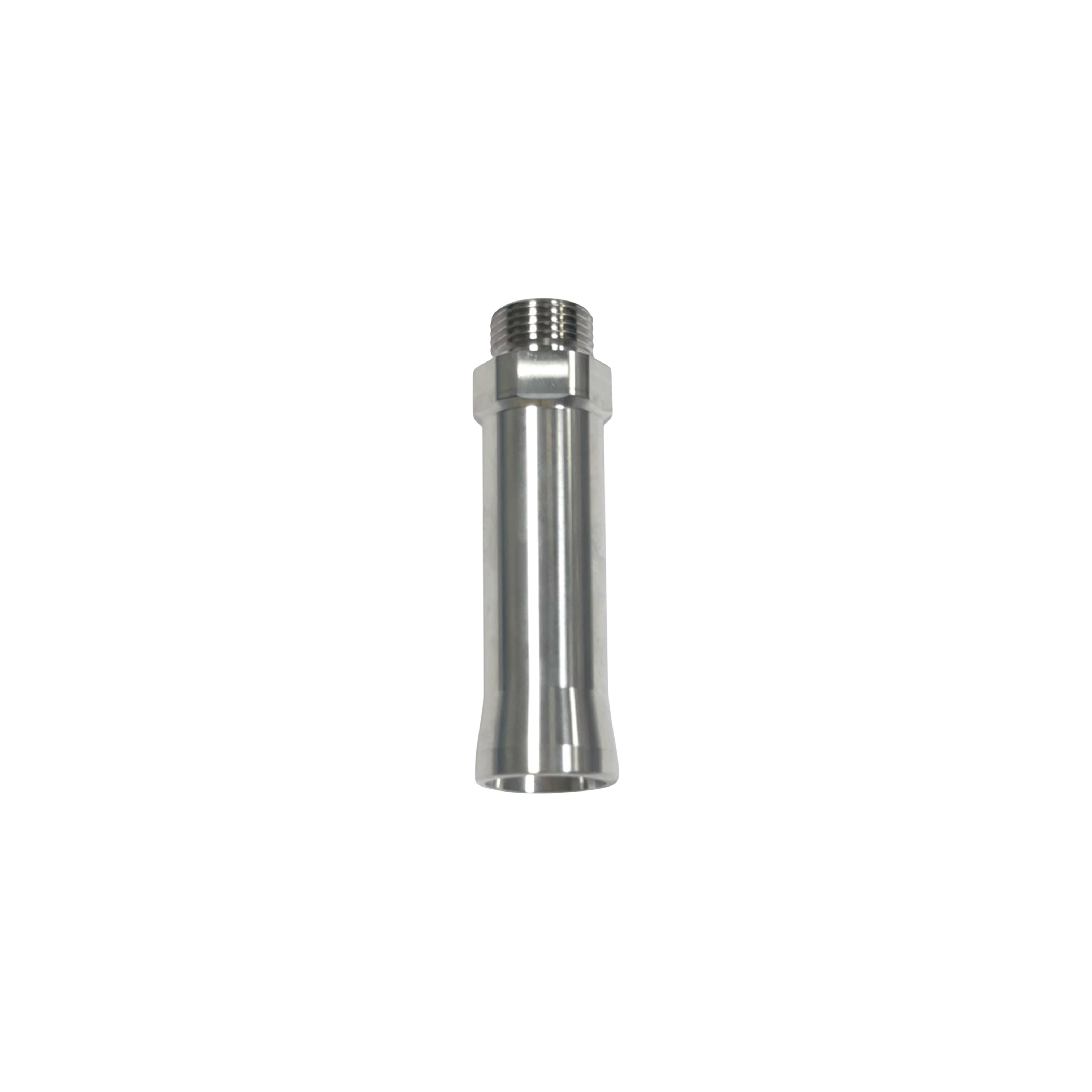
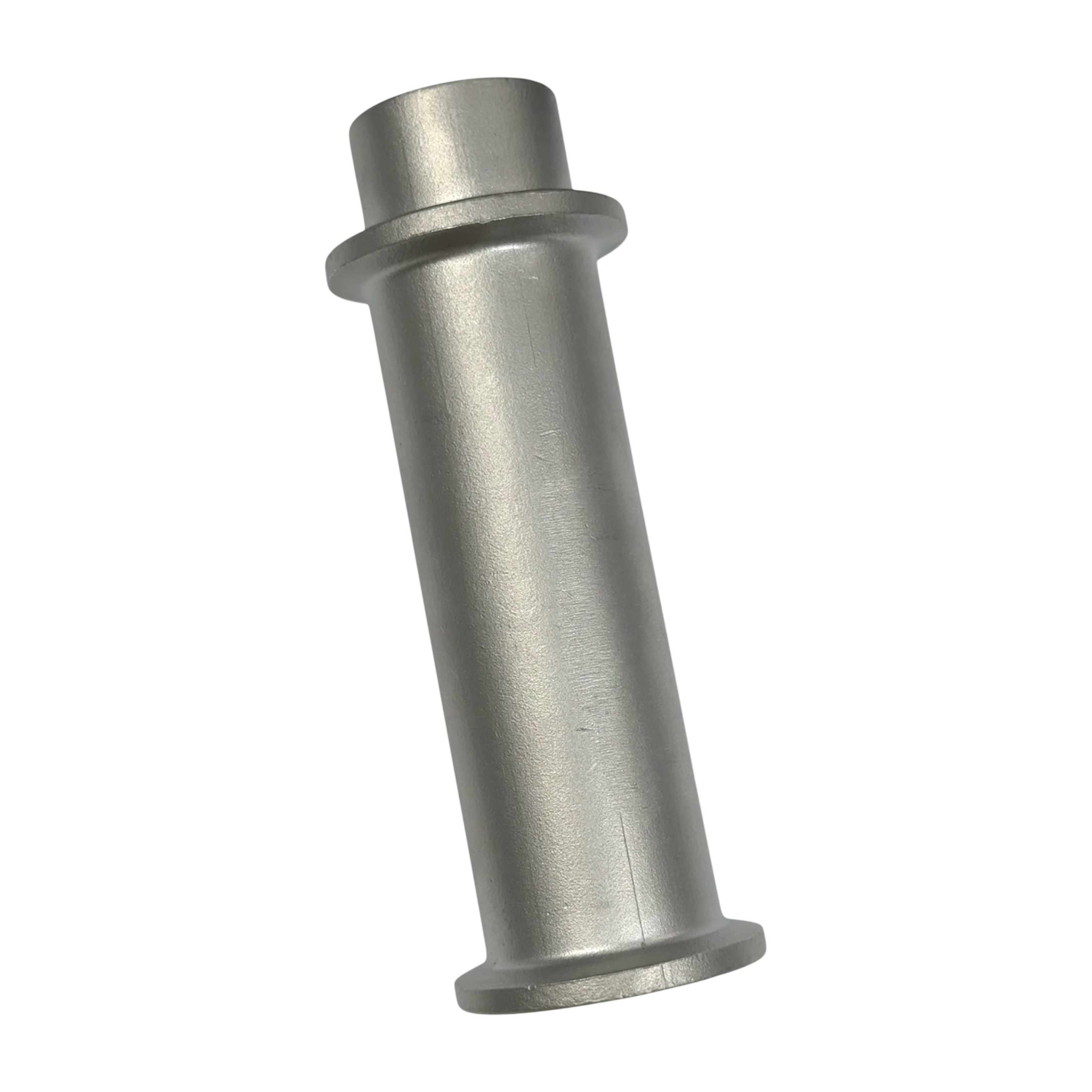
Cylindrical walls, bores and stepped profiles for assemblies.
Wall / Bore / ChamferDiscuss a similar partLocating, hinge, connection and functional pins for product assemblies.
Diameter / End Form / GrooveDiscuss a similar partCustom external and internal threaded parts controlled by fit and finish.
Pitch / Lead-in / ReliefDiscuss a similar part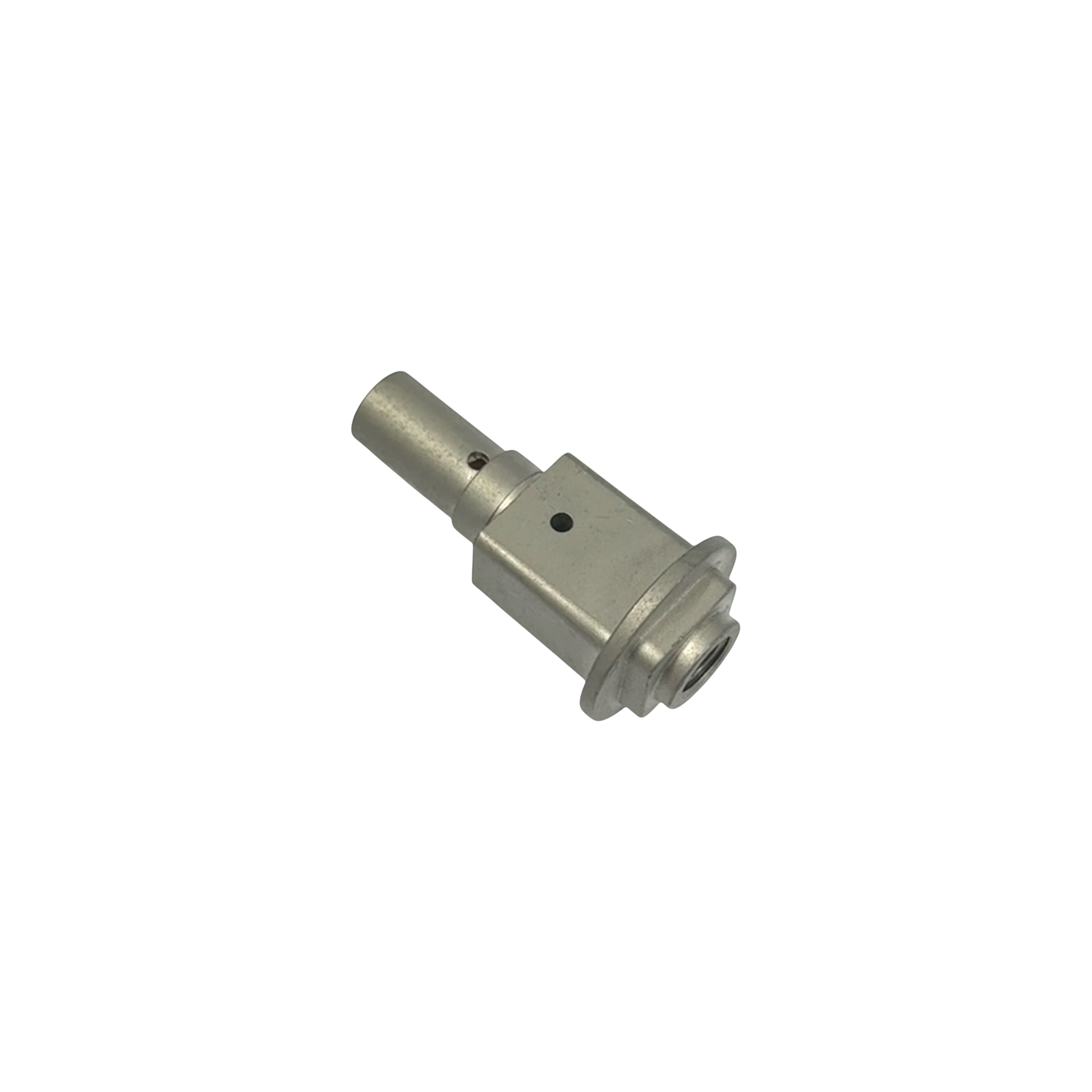
Connection components where threads, sealing faces and burr control matter.
Thread / Seal / PlatingDiscuss a similar part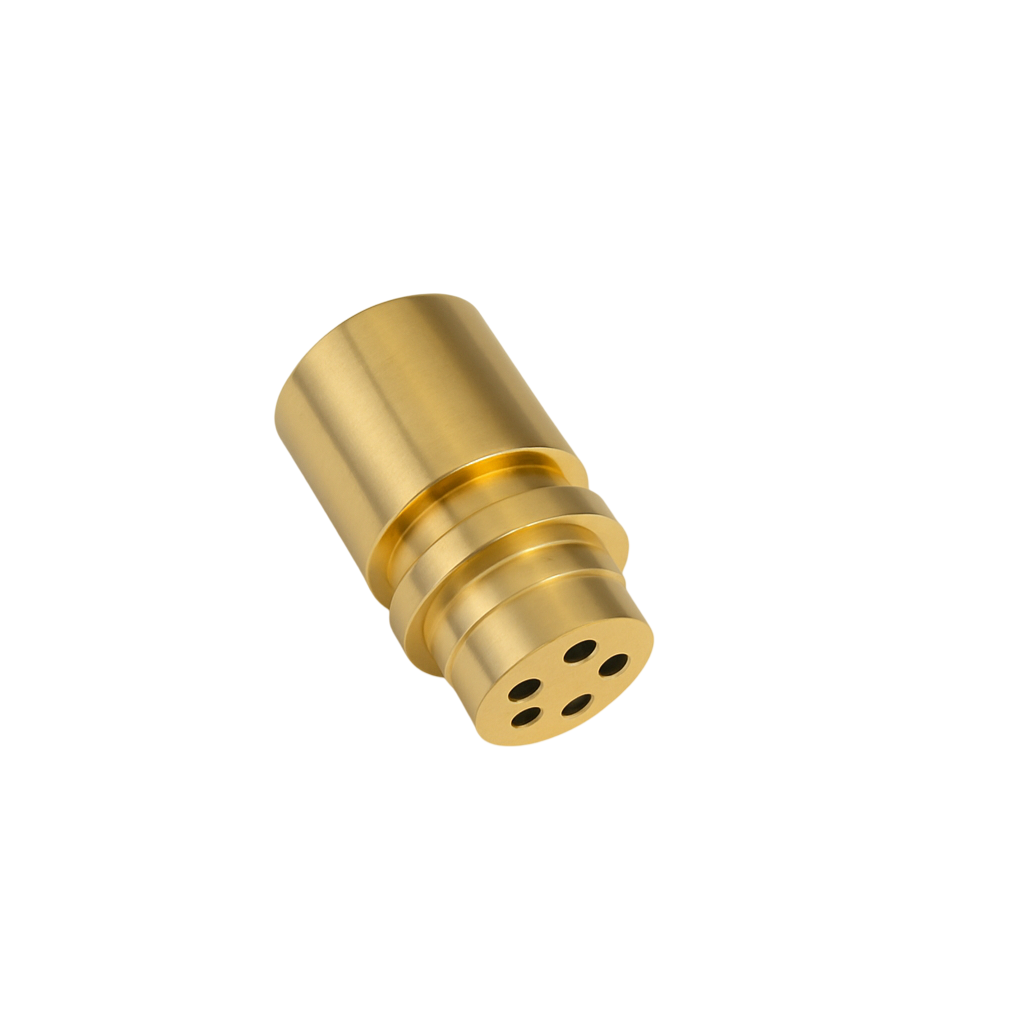
Small flow or dispensing components with internal bore and outlet geometry.
Bore / Outlet / DeburrDiscuss a similar part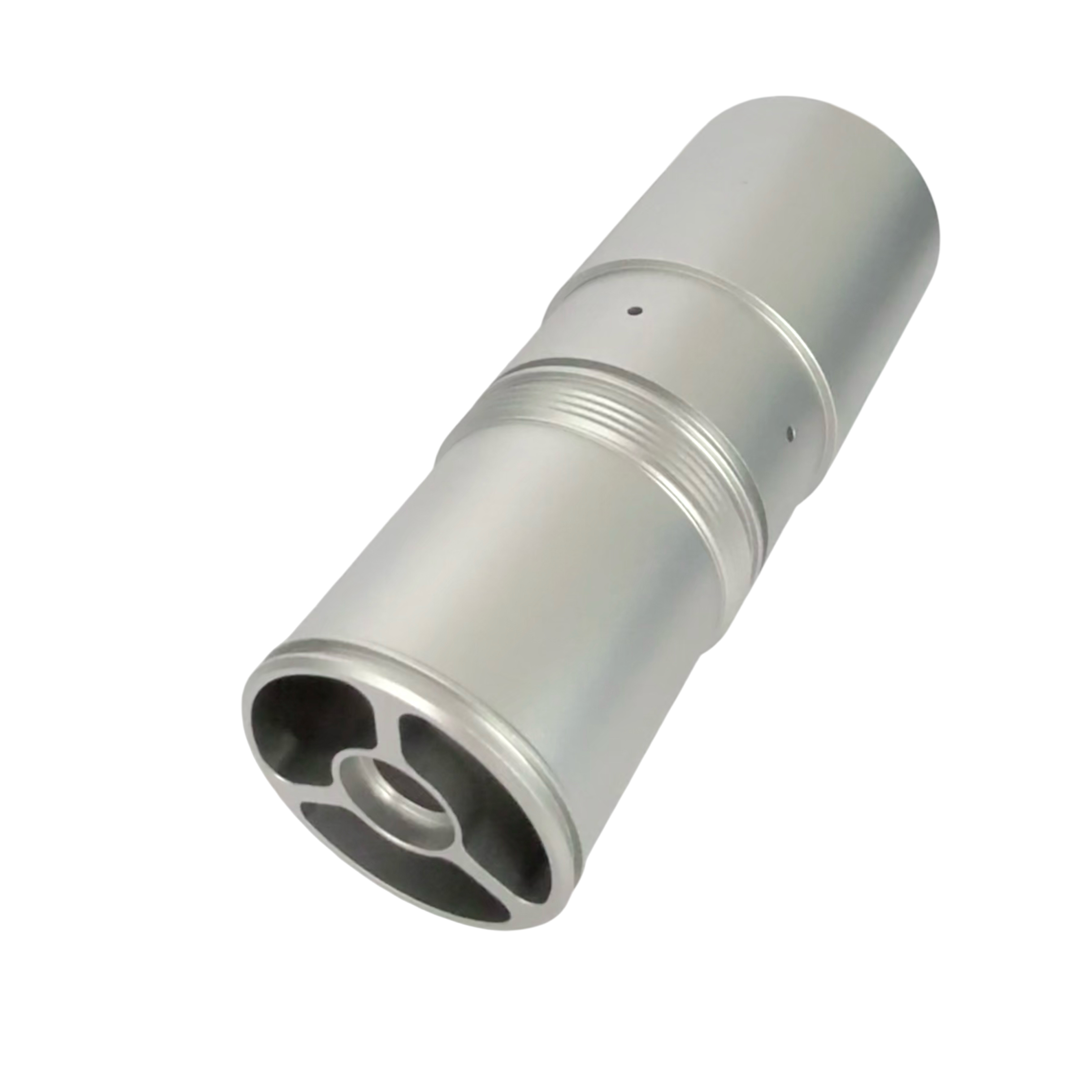
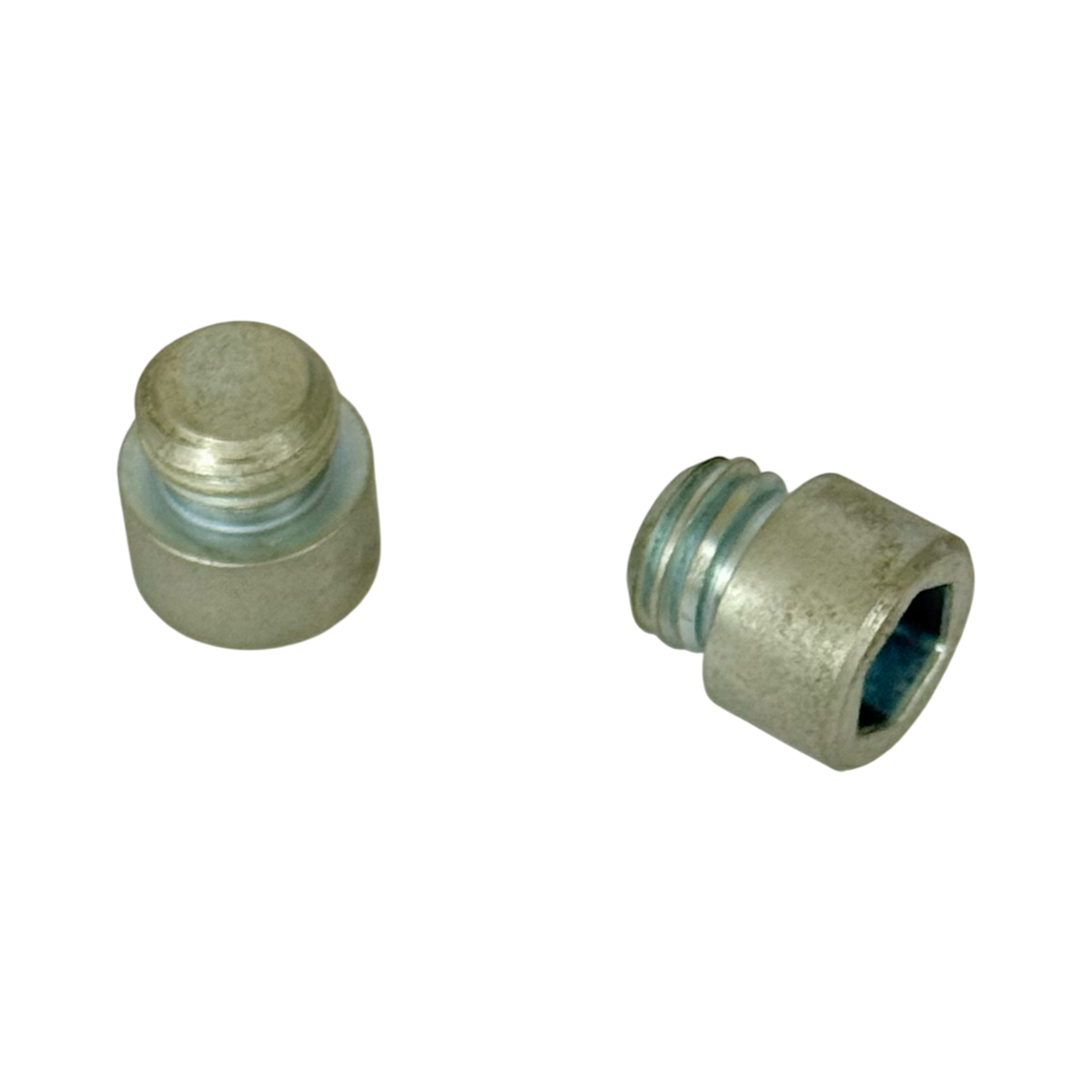
Cores, sleeves and small threaded parts where turning-led production fits.
Fit / Surface / RouteDiscuss a similar part06 / FEATURE CAPABILITY
Core turning features can be combined with route-dependent secondary machining so the delivered component better matches the drawing.
07 / PROCESS SELECTION
Conventional CNC turning, Swiss turning and automatic lathe machining all produce rotational components, but they solve different manufacturing problems.
Flexible rotational manufacturing for OD, ID, grooves, threads, faces and prototype-to-batch programs.
Best when geometry is round and process flexibility matters.Useful for small, long or slender components where support near the cutting zone reduces deflection risk.
Best when small-diameter stability matters.Attractive for stable, straightforward rotational geometry when repeat production economics dominate.
Best when the process can be standardized.08 / MATERIAL CONTEXT
Material affects tool wear, burr tendency, thread quality, surface condition, finishing options and cost. It should be considered with the process before production planning is fixed.
A major material family for functional turned components where strength, thread reliability and production cost need to be balanced.
Used where corrosion resistance, appearance or functional performance require stainless material and grade-specific machining review.
Well suited to many connectors, fittings and inserts where machinability, threads and cosmetic finish need early confirmation.
Useful for lightweight, corrosion-resistant or appearance-sensitive turned parts where finishing should be considered early.
09 / BEFORE PRODUCTION
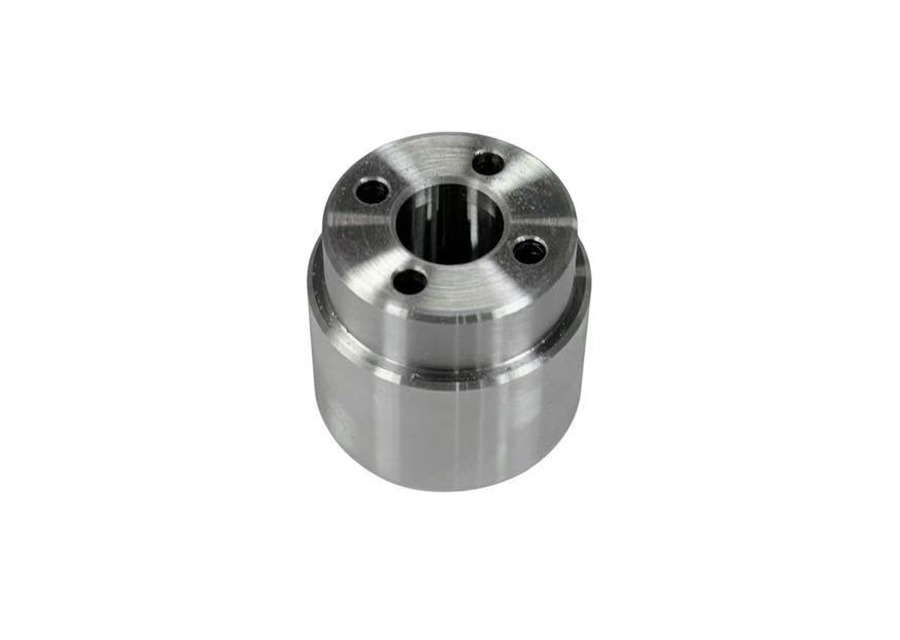
A turned part can look simple while hiding production risks in datum relationships, thin walls, threads, internal features or secondary operations.
10 / PRODUCTION PATH
ONE GOOD SAMPLE DOESN'T PROVE PRODUCTION.
2D/3D, material, quantity and CTQs.
CNC, Swiss, automatic or combined route.
Typically around 7 days after confirmation.
Fit, threads, CTQs and surface condition.
500+ pcs aligns with production focus.
Stable route and communication.
11 / QUALITY CONTROL
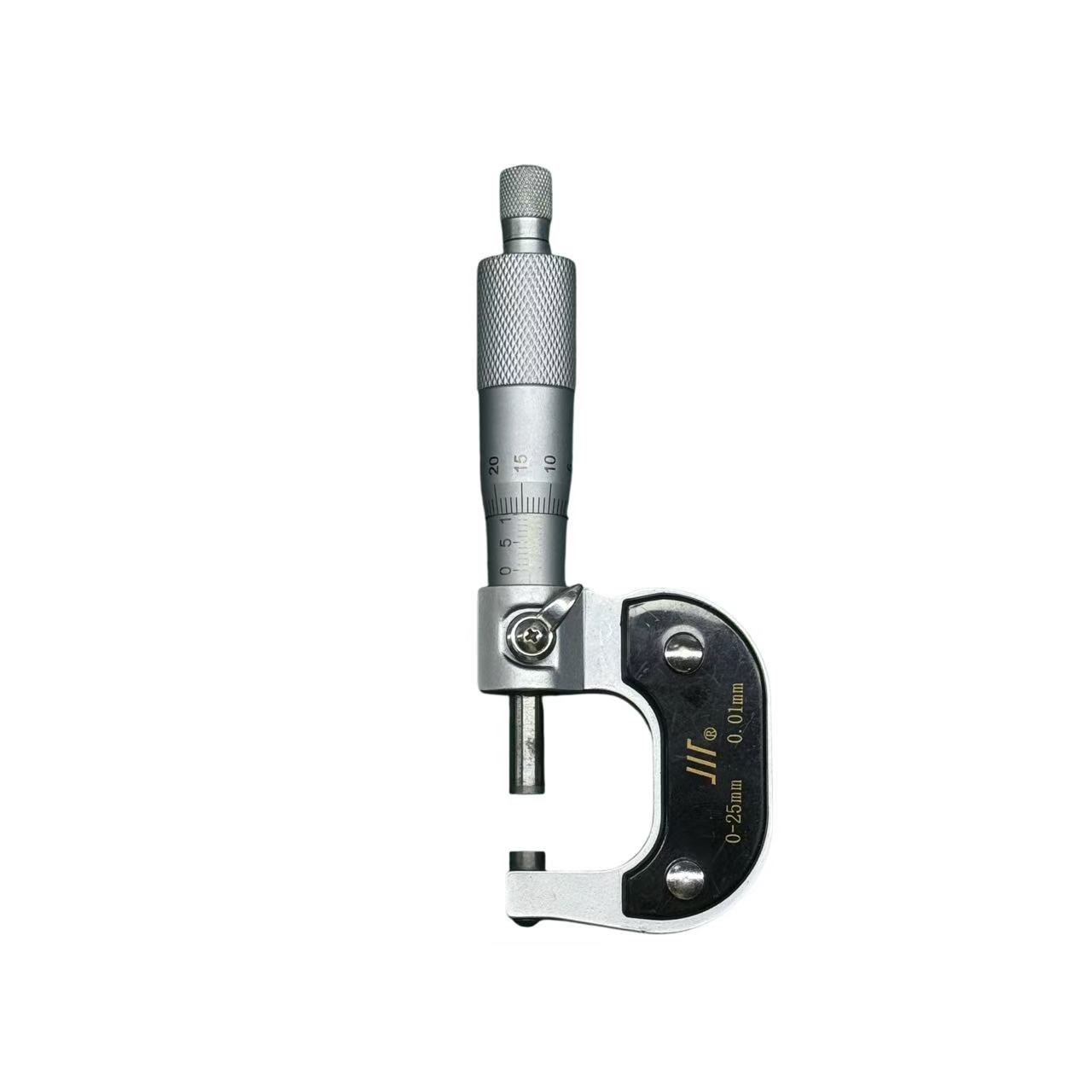
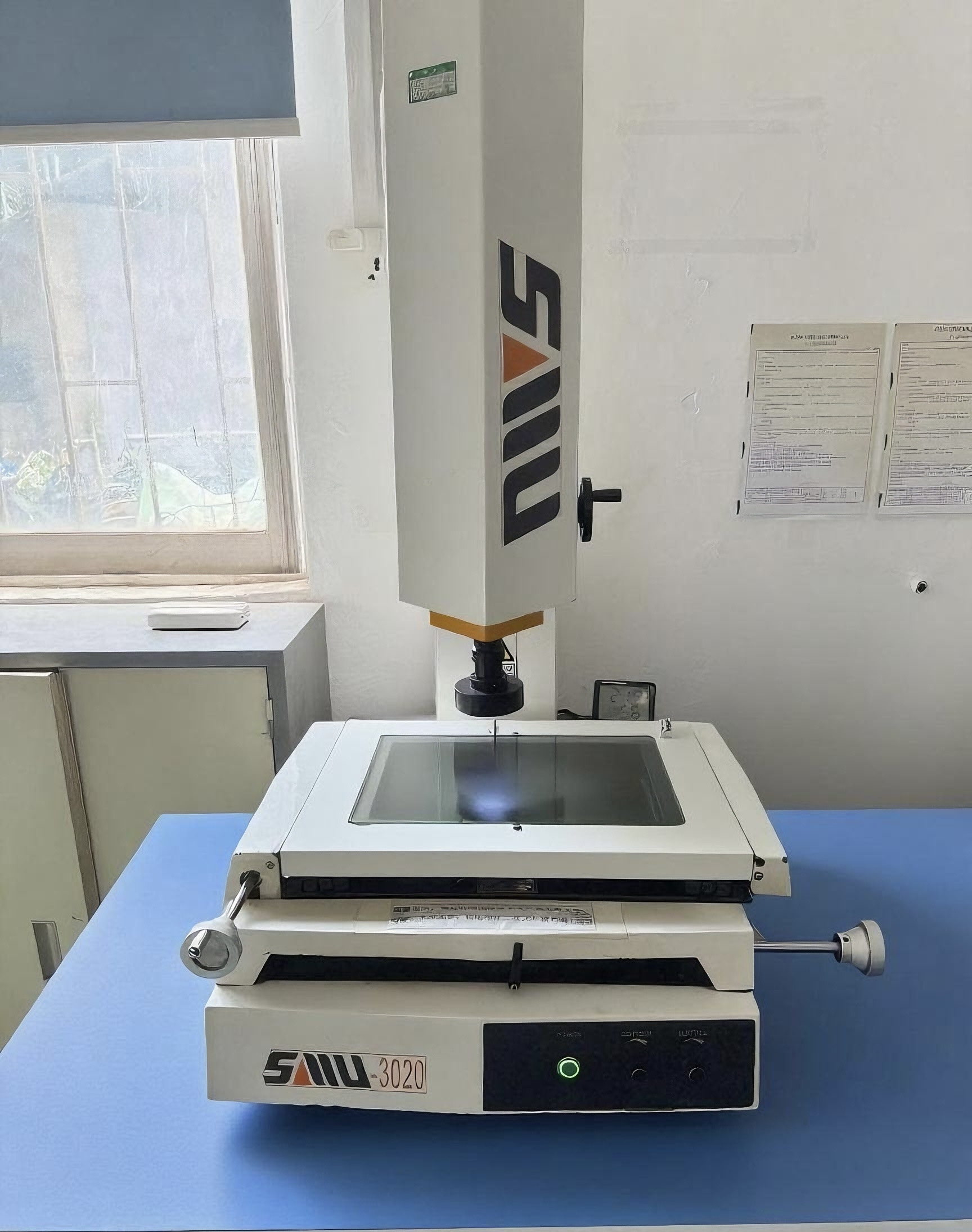
Critical dimensions should be identified before production and checked through the machining process rather than relying only on final inspection.
12 / PRODUCTION RISK
13 / COMPLETE THE PART
Many turned components require additional holes, threads, flats, deburring, marking, surface treatment or light assembly before use.
14 / COST & PRODUCTION
15 / APPLICATION CONTEXT
Application content stays grounded in credible small precision component use, without unsupported regulated-industry claims.
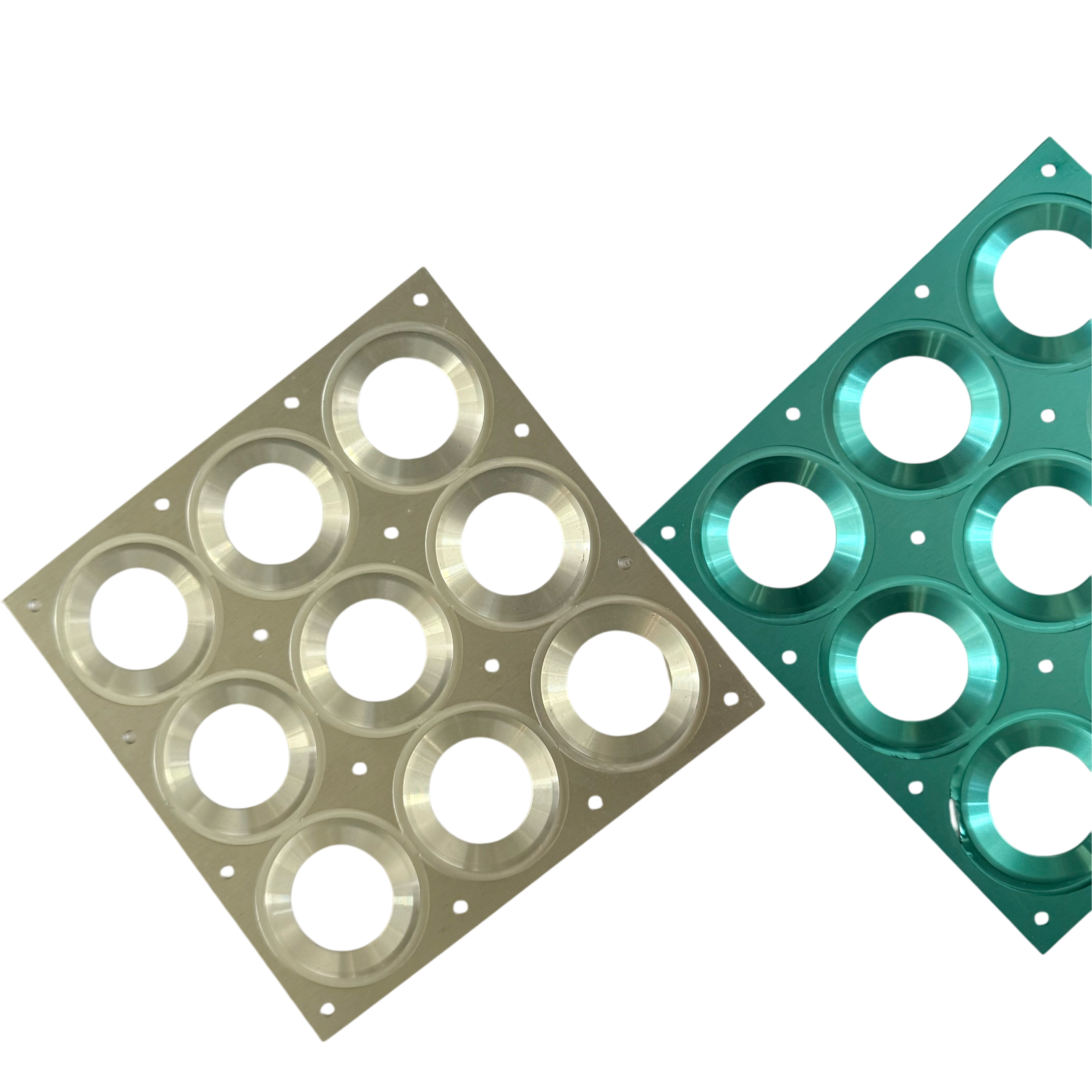 Consumer ProductsMetal connectors, shafts, pins, sleeves and fittings.
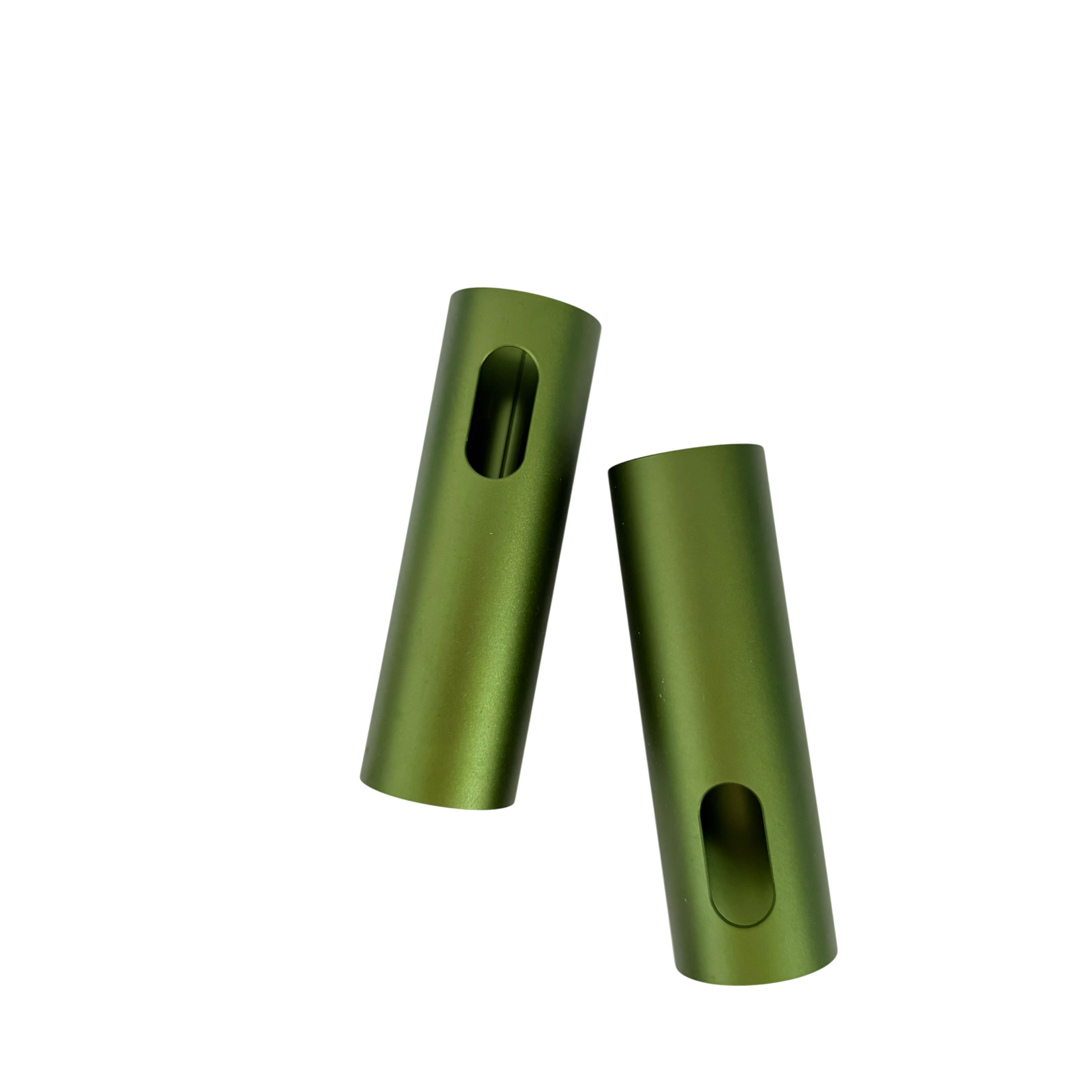 Smart & Personal DevicesSmall housings, sleeves, bushings and threaded interfaces.Fluid-Control RelatedNozzles, valve sleeves and threaded connection parts.
 General IndustrialRepeat-production rotational components for equipment assemblies.
16 / MANUFACTURING EVIDENCE
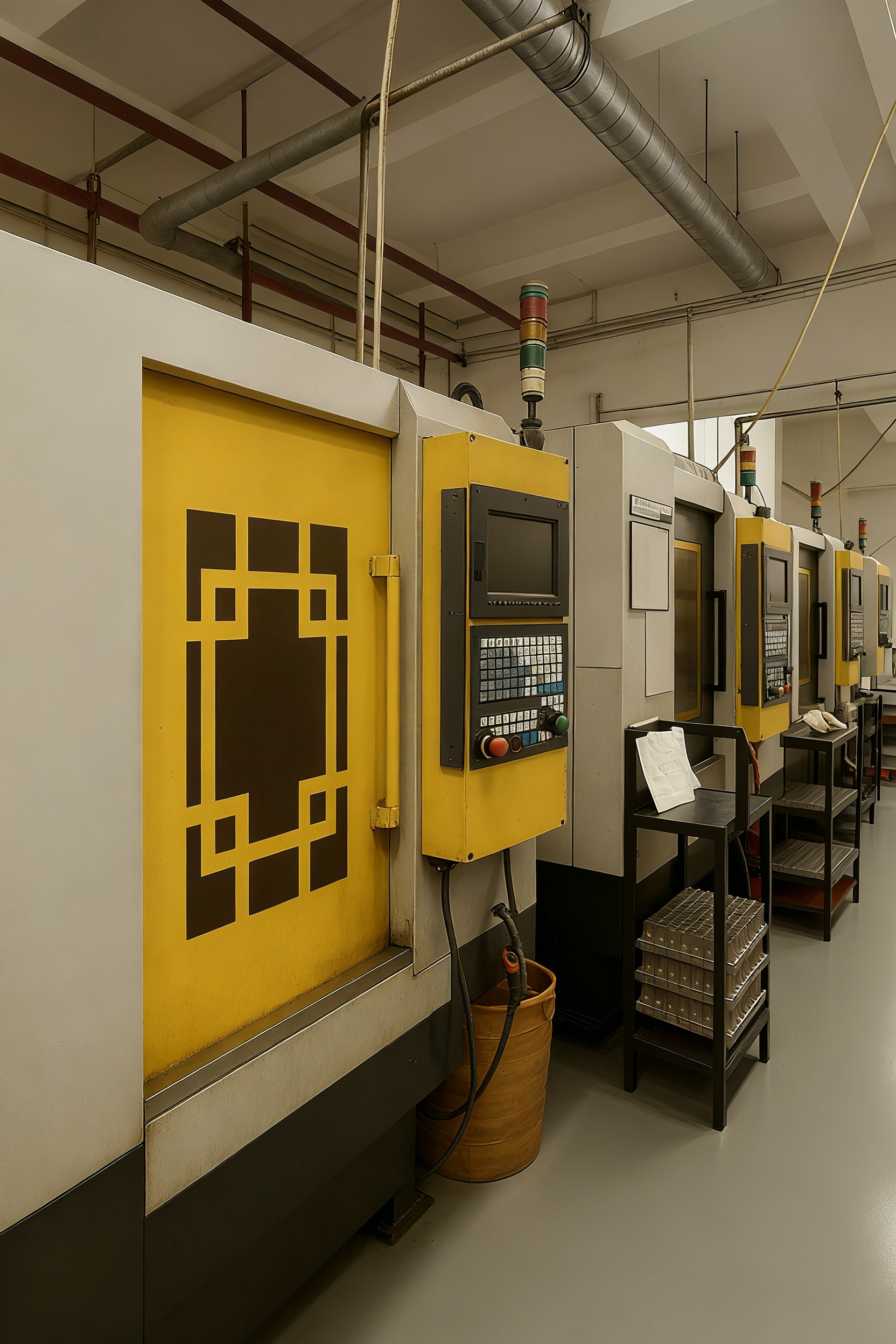
Representative component groups show the type of geometry, process route and inspection focus FREEFLY CNC can discuss.
CNC turning is generally best for components whose dominant geometry is rotational, such as shafts, bushings, sleeves, pins, threaded parts, connectors and fittings. Parts with substantial non-rotational geometry may require CNC machining or secondary milling.
Maximum size depends on the turning equipment and workholding route. Please send the drawing so the manufacturing team can confirm suitability. The Swiss bar-capacity reference should not be treated as the conventional CNC turning limit.
FREEFLY CNC commonly works around ±0.01 mm on suitable machined features, but this is not a blanket tolerance for every dimension. Geometry, material, feature type, setup and inspection requirements must be reviewed from the drawing.
No. Samples and prototype validation are supported. Projects at 500 pieces and above are particularly aligned with FREEFLY CNC batch-production strengths.
Conventional CNC turning is generally a strong choice for rotational components that do not require the support advantages of Swiss-type machining. Swiss turning becomes more attractive when the part is small in diameter, long or slender, or sensitive to deflection.
Automatic lathe machining may be attractive for relatively stable, straightforward rotational geometries where repeat production and unit economics are important.
These features can be reviewed as part of a combined turning and secondary-machining route. The best method depends on equipment configuration, geometry, tolerance relationship and production volume.
FREEFLY CNC works with steel, stainless steel, brass, aluminum and other supported machinable materials. Material grade, hardness, geometry and finishing requirements should be confirmed during quotation.
Yes, finishing can be reviewed as part of the complete manufacturing route according to material and project requirements. Finish thickness and functional interfaces should be considered before dimensions are finalized.
Useful details include the 2D drawing, 3D model if available, material, quantity, critical tolerances, finish requirement, target delivery and any important application or assembly notes.