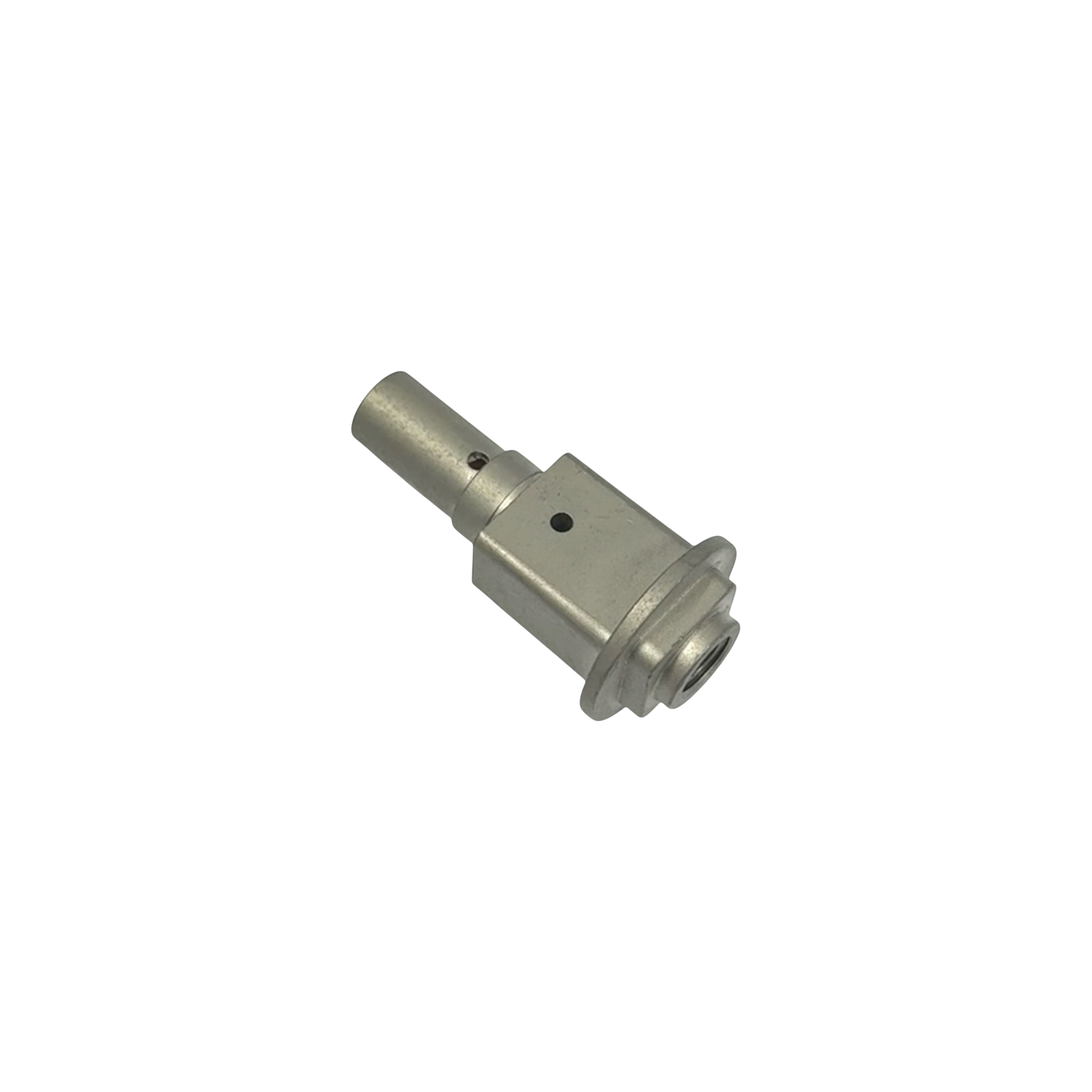
/ CONNECTORS AND FITTINGS
Custom Turned Metal Connectors & Fittings
Connector and fitting parts are reviewed around interface geometry first: thread form, bore relationship, shoulder location, sealing face, material behavior and burr condition.
Upload Drawing & Request a Quote->THREADS
External or internal threads confirmed from drawing
SEALING
Faces, seats and burr-sensitive edges reviewed
MATERIALS
Steel, stainless steel, brass and aluminum where suitable
ROUTE
Swiss, CNC turning or secondary machining by geometry
/ PART SHAPES
Start with Similar Connector Shapes
Compare your drawing with common connector and fitting shapes before reviewing thread, bore, material, finish and inspection requirements.
Threaded Connector Bodies
Round bodies with threads, bores and mating shoulders.
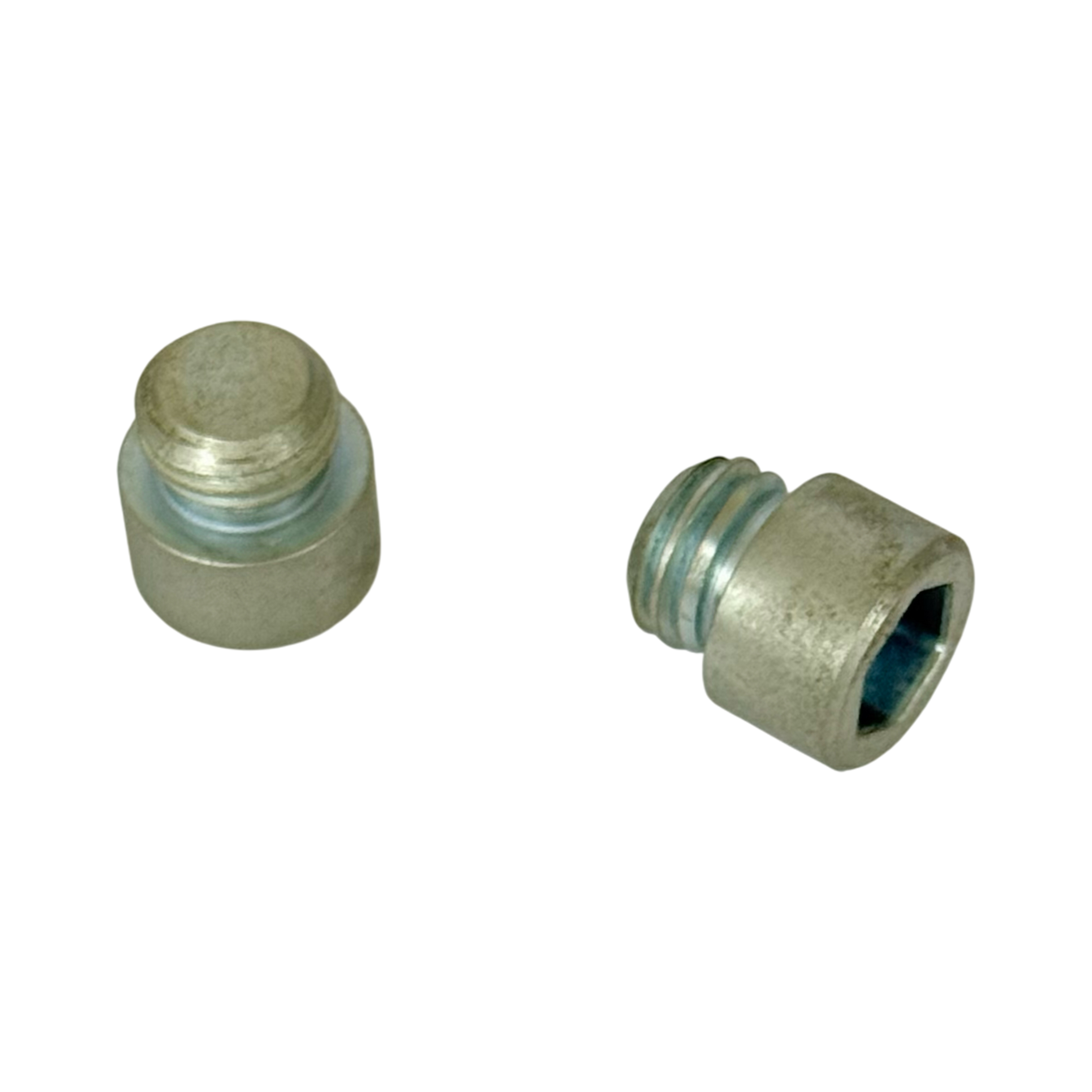
Fitting Inserts
Small threaded inserts where relief, usable depth and gauge condition matter.
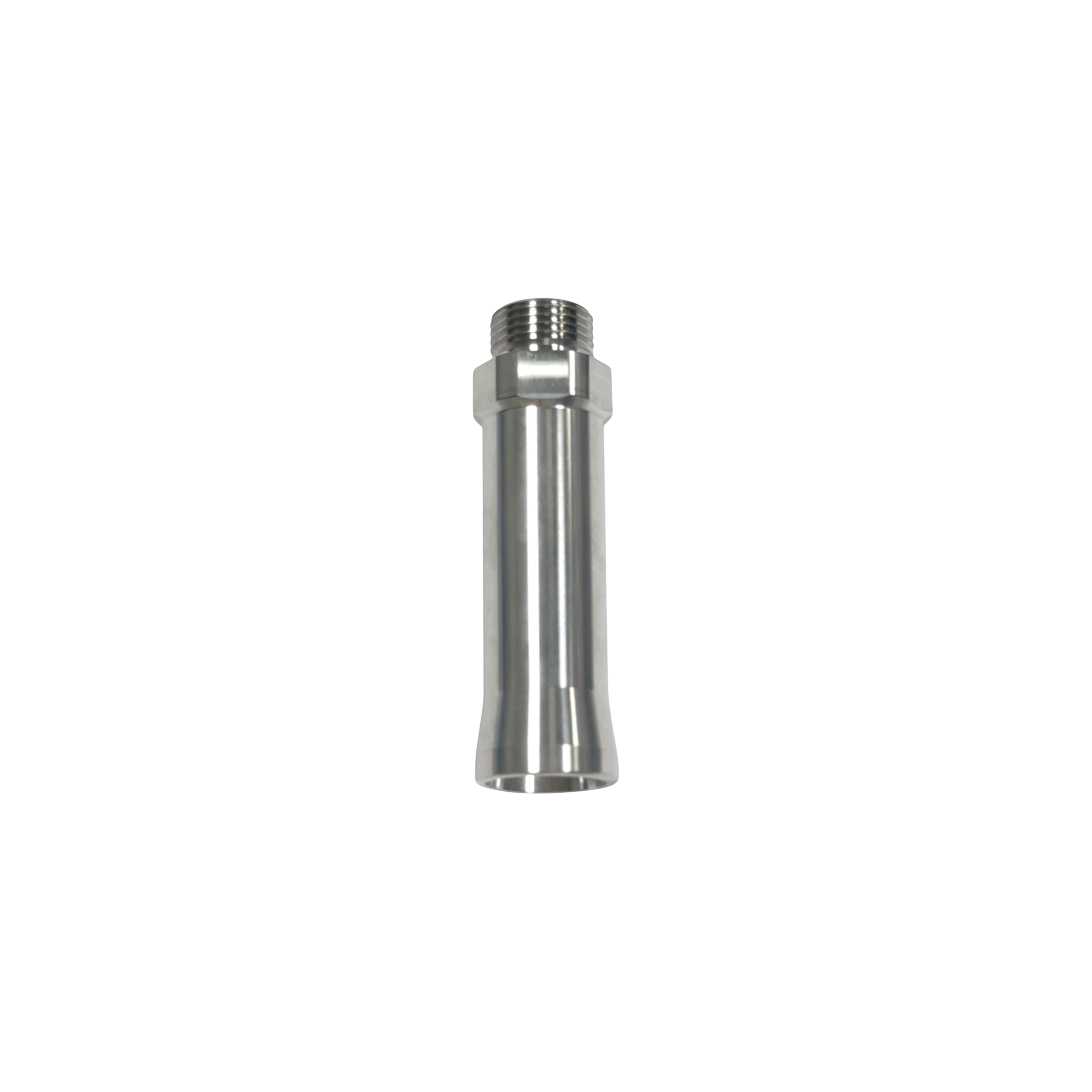
Bored Adapters
Internal bores, counterbores and mating diameters reviewed from the drawing.
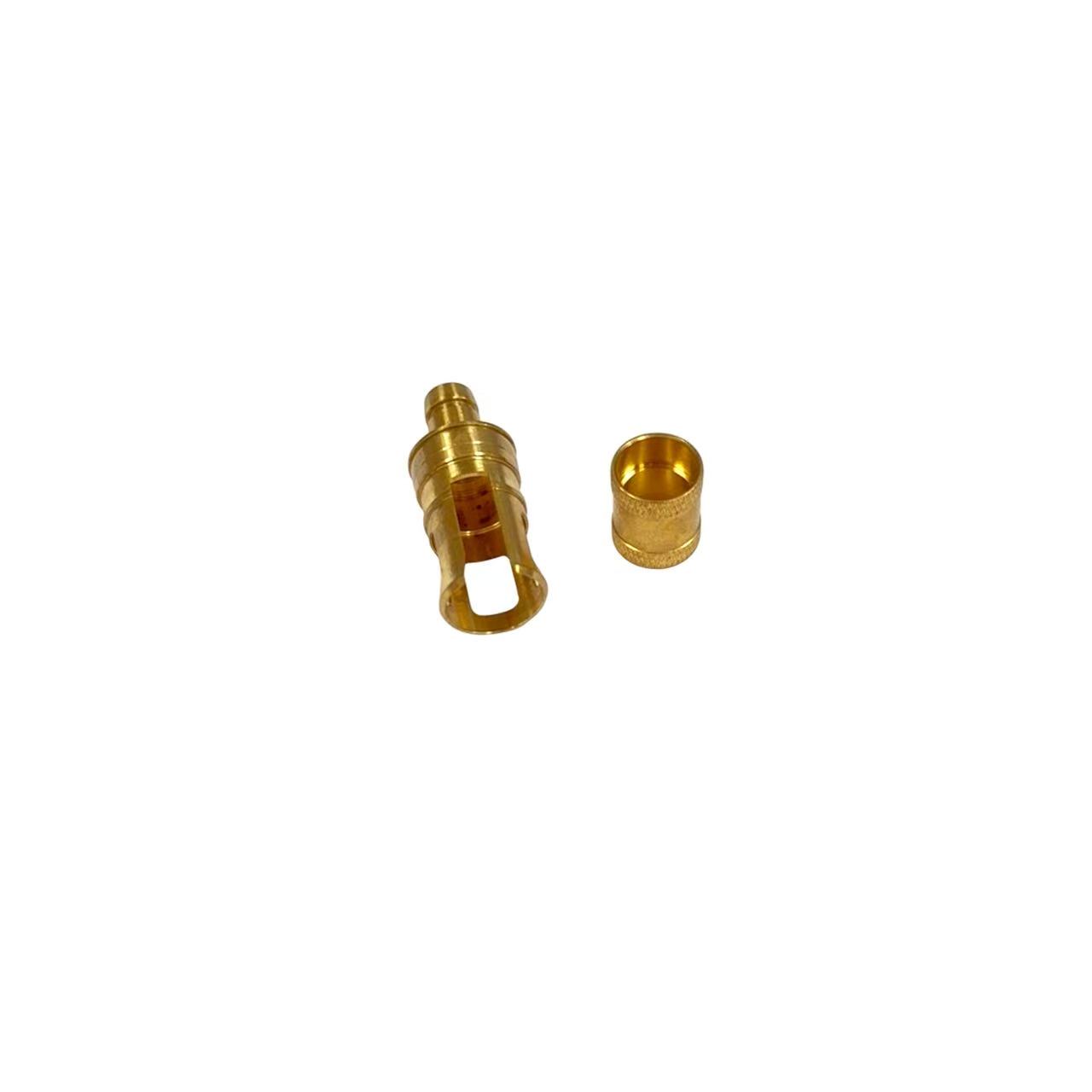
Brass Fittings
Material selected for machinability, corrosion behavior, thread quality and assembly fit.
/ INTERFACE LOGIC
Connector Value Comes from Interface Control
Connector RFQs are strongest when they identify the functional faces that must be controlled, not only the general part name.
Thread
Thread standard, usable depth, relief and gauge condition drive inspection.
Bore
Coaxial bore, counterbore and shoulder relationships affect assembly fit.
Sealing Face
Sealing faces, burr-sensitive transitions and finish expectations should be visible on the drawing.
Material
Brass, stainless steel, steel and aluminum each change thread quality, tool wear and finishing behavior.
/ FEATURE SELECTOR
Choose the Feature That Drives the Connector
Select the feature that matters most to the assembly. Thread, bore, sealing face and material choice can each change the route, inspection plan and quote.
/ MANUFACTURING FIT
Fit, Review or Alternate Route
Use this table to decide what must be checked before quoting a connector or fitting for repeat production.
Requirement
Part Family / Route
Buyer Value
Best fit
Turned fittings, inserts and connector bodies
Rotational geometry with thread or bore features.
Needs review
Cross holes, flats or slots
May need secondary machining or live-tool evaluation.
RFQ inputs
2D drawing plus CAD if available
Include thread standard, material, finish and quantity.
Quality focus
Threads, sealing faces and burr condition
Inspection must follow functional mating requirements.
/ RFQ CHECKLIST
Details That Change the Quote
A connector RFQ should make the interface requirements clear enough to review machining route, inspection method and repeat-production fit.
Threaded Interface
Thread callout, gauge condition, relief, usable depth and mating hardware.
Sealing / Shoulder
Functional faces, shoulders, chamfers and burr-sensitive transitions.
Material Grade
Exact grade, material condition or approved equivalent range.
Finish Requirement
Clean machined, plating, passivation, anodizing or cosmetic finish requirements.
/ FROM DRAWING TO PART
One Review Path from Drawing to Production
After the connector type is clear, the review path focuses on interface geometry, CTQs, sample validation and repeat-production control.
Drawing Review
Confirm geometry, thread, bore, sealing faces, material, finish, quantity and CTQs.
Route Selection
Select Swiss turning, CNC turning or a combined secondary-operation route.
Sample Path
Plan sample review; typical prototype timing is around 7 days when geometry, material and scope allow.
Production Plan
Carry confirmed CTQs and inspection requirements into repeat production; 500+ pcs is a strong production-fit range.
Inspection Release
Check drawing-defined CTQs, threads, edges, finish and packing requirements before shipment.
Send the 2D drawing, 3D model if available, material grade, thread standard, mating feature notes, finish requirement and estimated quantity.
Yes. Brass, stainless steel, steel and aluminum connector parts can be reviewed when the exact grade, geometry, thread requirement and finish are specified.
They can be reviewed together. The route depends on sealing-face location, thread type, burr requirements, material and inspection method.