/ MANUFACTURING SOLUTIONS
Precision Turned Components for Real Product Applications
FREEFLY CNC manufactures small precision metal components for applications where functional fit, surface condition, assembly features and repeat production need to remain consistent.
Manufacturing Focus
Precision turned metal components
Core Processes
CNC Turning / Swiss Turning / Automatic Lathe
Production Model
Prototype to repeat production
Quality System
ISO 9001
/ APPLICATION AREAS
Metal Component Solutions by Application
Choose the solution area closest to your component. FREEFLY CNC manufactures small turned and machined metal parts for products where fit, surface condition, functional features and repeat production need to stay consistent.
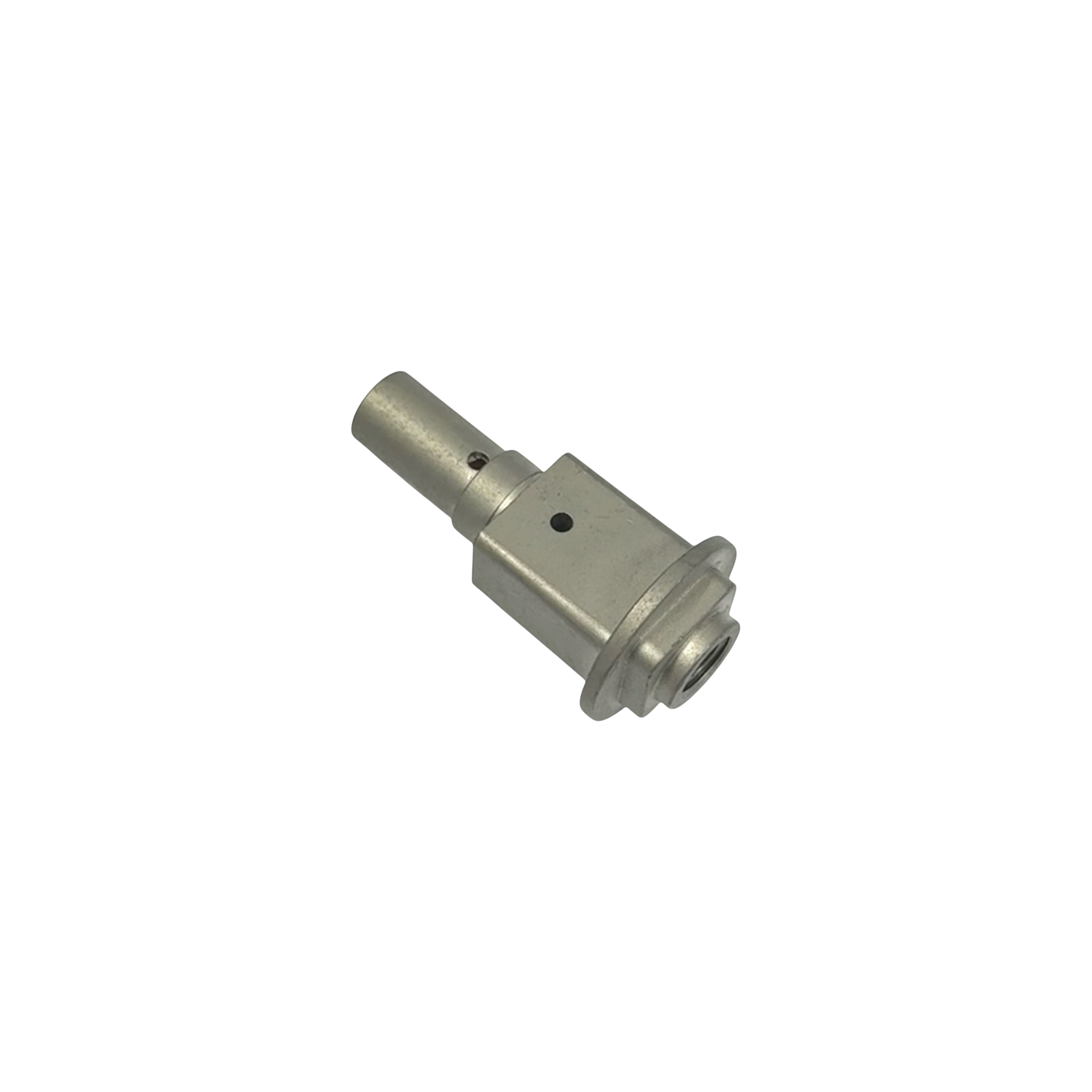
Small connectors, sleeves, shafts, inserts and visible metal hardware.
Appearance, fit and repeat assembly matter together.
View Consumer Components ->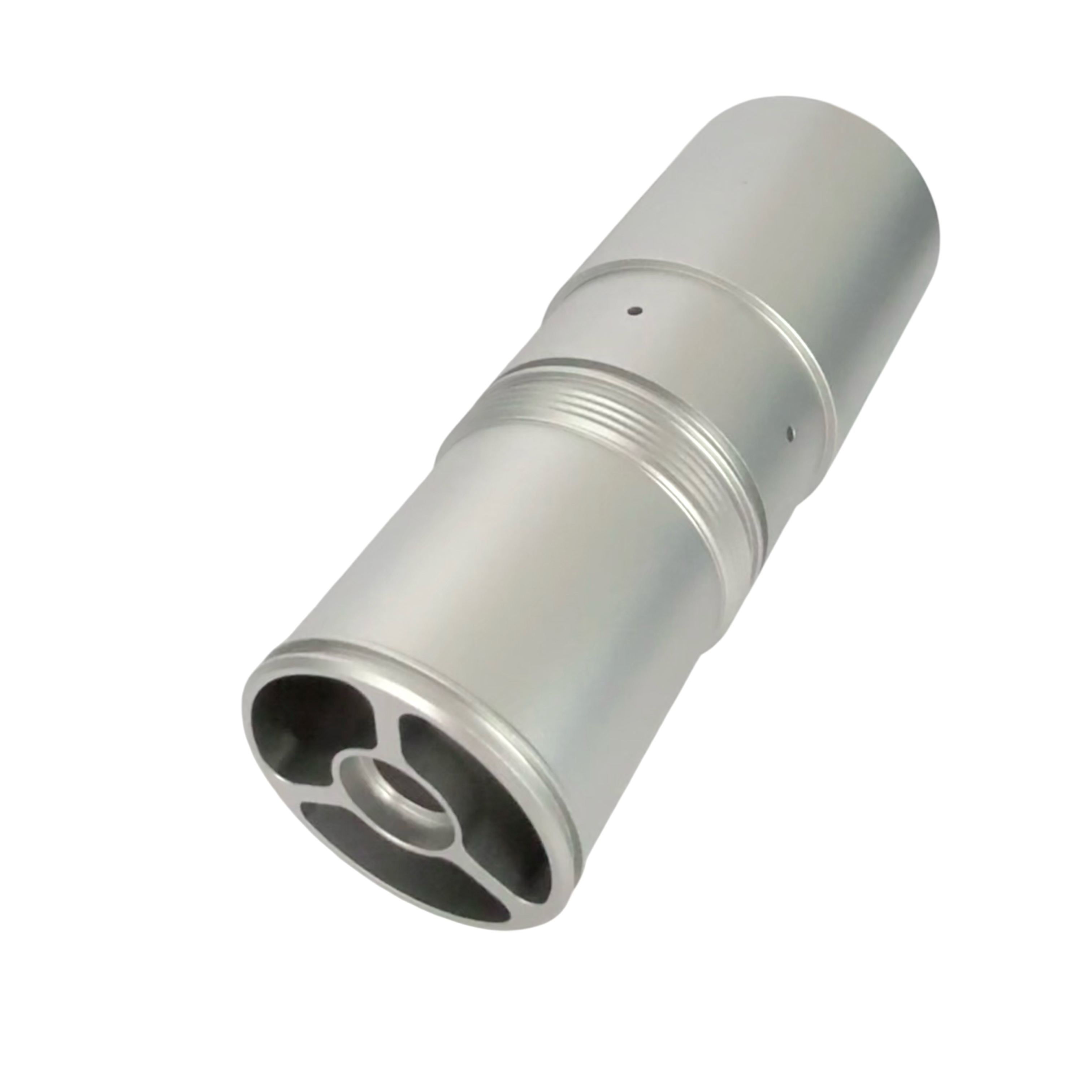
Fittings, nozzles, sleeves and valve-related turned components.
Bores, sealing features, threads and controlled edge condition influence function.
View Hydraulic Components ->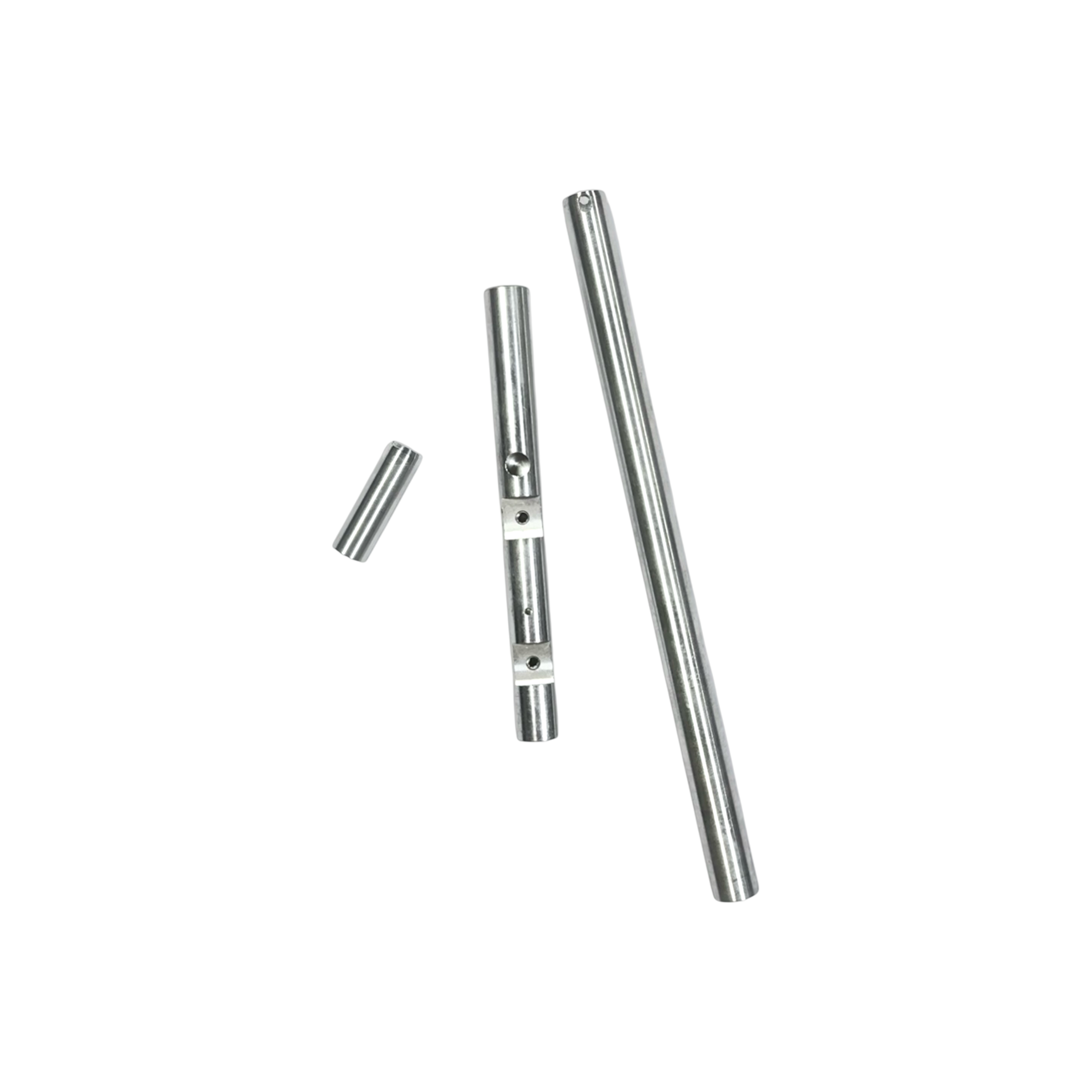
Shafts, pins, bushings, sleeves, connectors and threaded components.
Organized around geometry, functional features and production requirements.
View Parts We Make ->/ SOLUTION AREAS
Find the Closest Match for Your Component
Use these application groups to match your drawing with the most relevant FREEFLY CNC page. Each group shows common components, the manufacturing details we review and the next page to open.
Application Fit
Visible & Assembly-Critical Parts
Typical Components
Connectors, inserts, sleeves, collars and visible metal hardware
For products where the metal component must look clean, assemble smoothly and repeat the same fit across batches.
Application Fit
Flow & Sealing Parts
Typical Components
Fittings, nozzles, sleeves and valve-related components
For components with bores, threads, sealing faces, cross holes or edges that influence flow and sealing performance.
Application Fit
Repeat-Production Turned Parts
Typical Components
Shafts, pins, bushings, collars and spacers
For rotational parts where diameter relationships, runout-sensitive features and batch-to-batch consistency matter.
Application Fit
Turned Parts With Added Features
Typical Components
Turned bodies with flats, slots, cross holes, tapping or selected milled details
For components that start with turning and need additional machining to complete the finished geometry.
/ COMPONENT FIT
Each Component Needs the Right Process Route
A connector, shaft, sleeve, nozzle or visible metal detail may need different machining steps even when the part size is similar. FREEFLY CNC reviews the finished component so turning, secondary machining, finishing and inspection work together.
/ PRODUCTION PATH
From First Part to Repeat Production
Send the drawing or 3D model first. FREEFLY CNC reviews material, geometry, critical features, finish and quantity so the first article can move into a stable production route when the part is approved.
01 - Drawing Review
The drawing, material, finish notes, mating features and target quantity are reviewed before the manufacturing route is confirmed.
02 - Process Selection
CNC turning, Swiss turning, automatic-lathe machining and secondary operations are selected according to the part geometry.
03 - First Article Review
Initial parts are checked against fit, threads, critical dimensions and surface requirements before production expands.
04 - Batch Control
Approved machining conditions and inspection points are carried into batch and repeat production.
05 - Inspection & Release
Critical features and finished condition are checked before parts are packed and released.
/ PART FAMILIES
Representative Part Families
FREEFLY CNC's solution areas are built around real turned-component families and the features that control how they function in assembly.
Connectors & Fittings
Threads, bores, sealing faces, wrench features and mating interfaces.
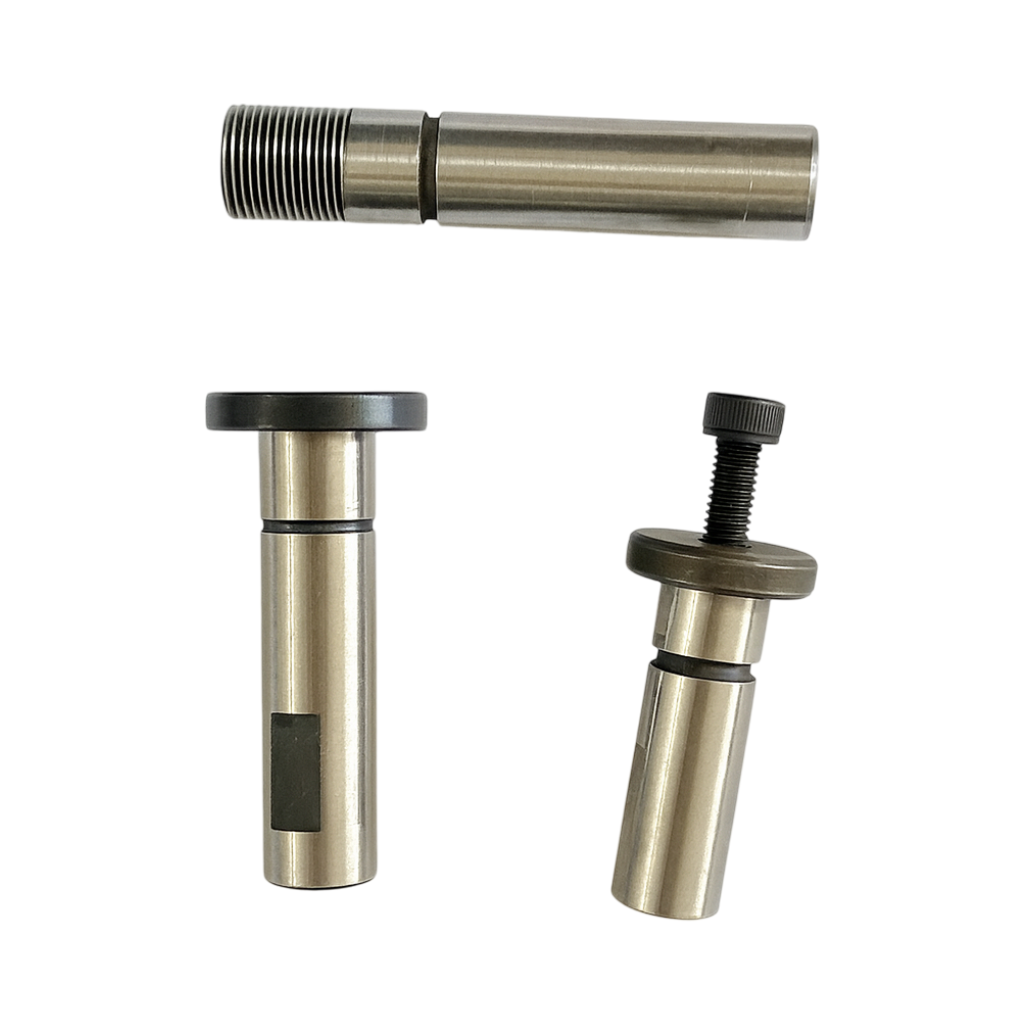
Bushings & Sleeves
Controlled OD/ID relationships, wall thickness, chamfers and mating fits.
Shafts & Pins
Simple or stepped rotational geometry with controlled diameters, grooves, flats and cross features.
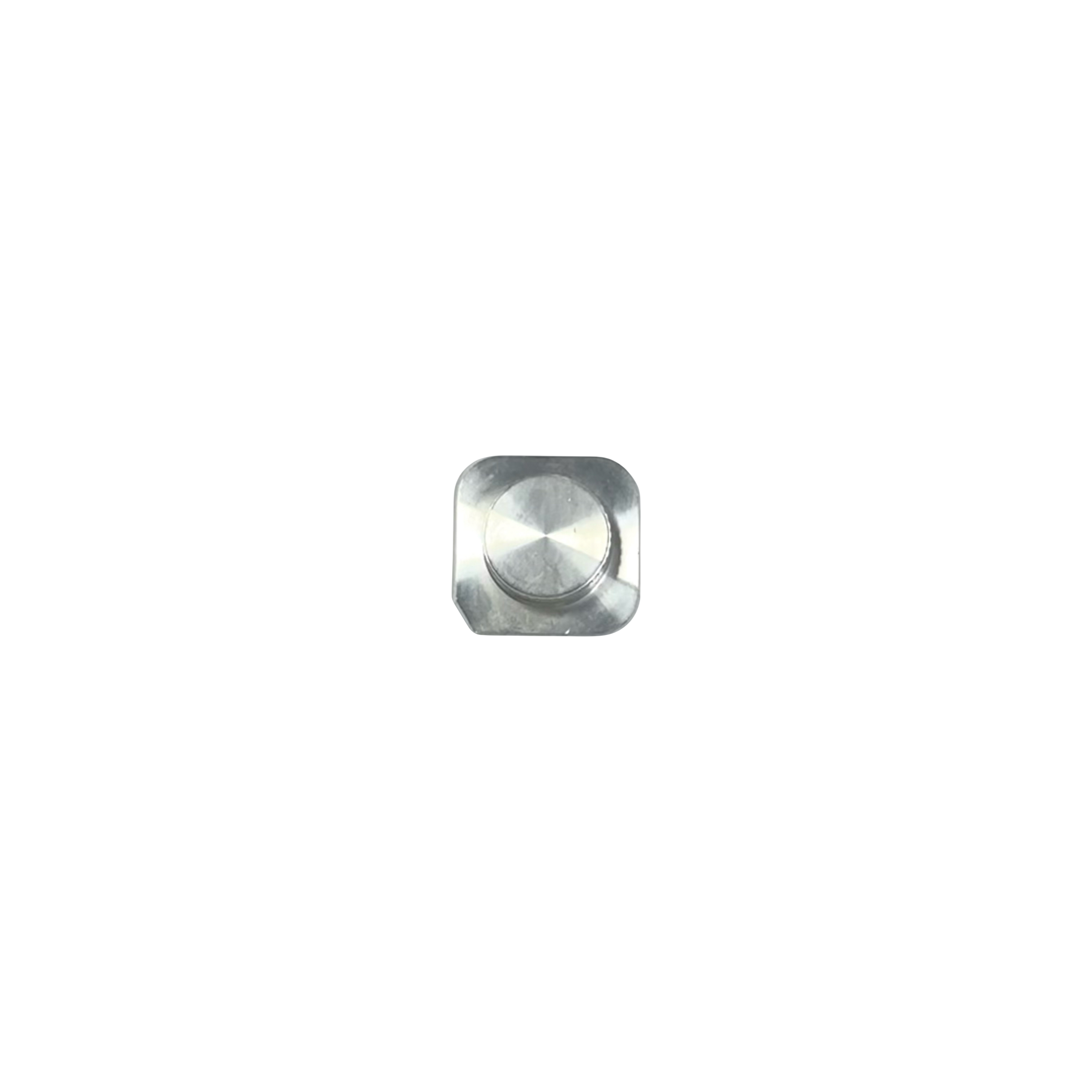
Nozzles & Flow Components
Internal passages, radial holes, seats, threads and other flow-related features.
/ MANUFACTURING
How FREEFLY CNC Supports These Components
After the application area is clear, the part is reviewed as a finished component: turned geometry, added features, surface condition and inspection requirements are considered together.
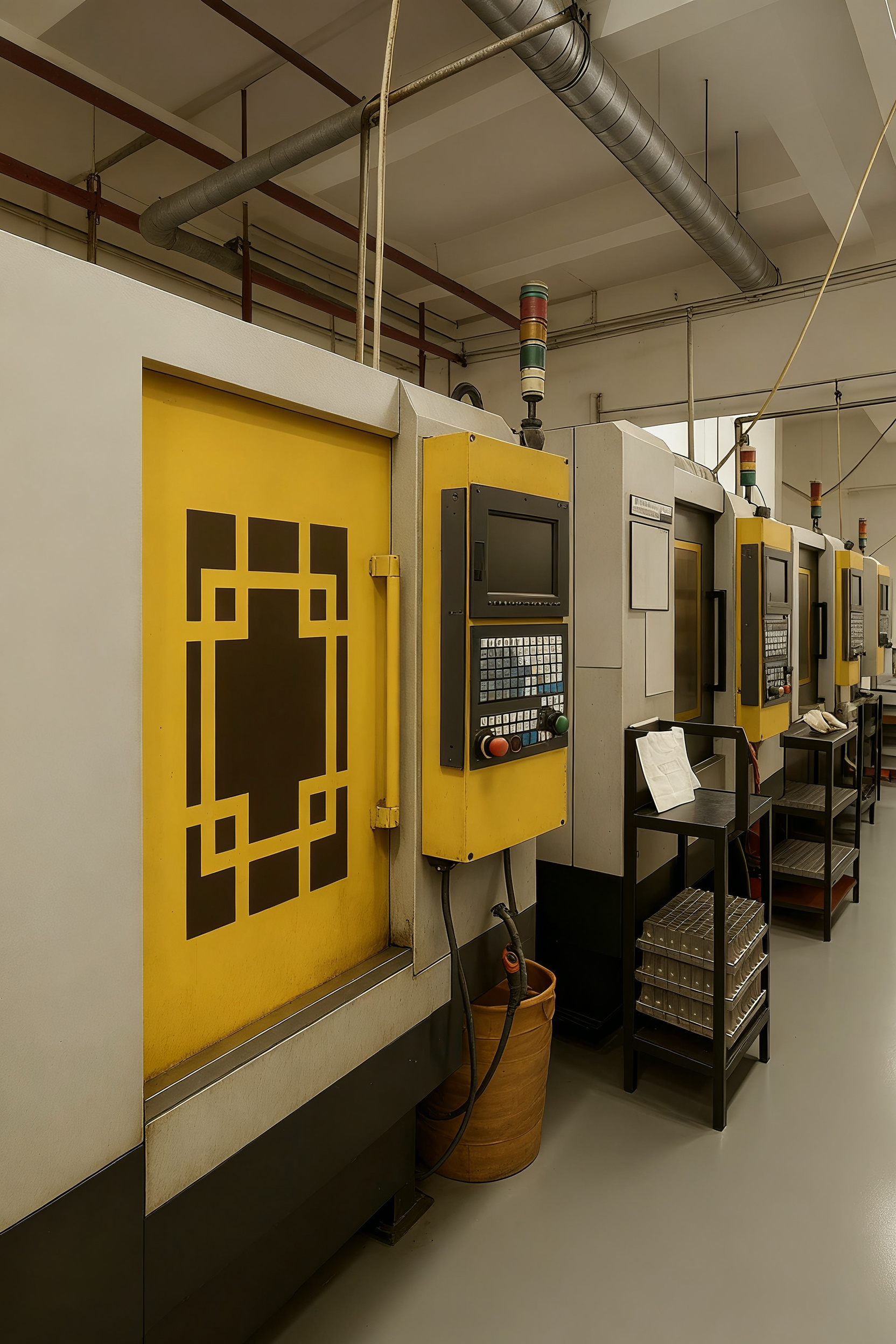
Turning-Led Production
CNC turning and Swiss turning form the core manufacturing processes for rotational metal components.
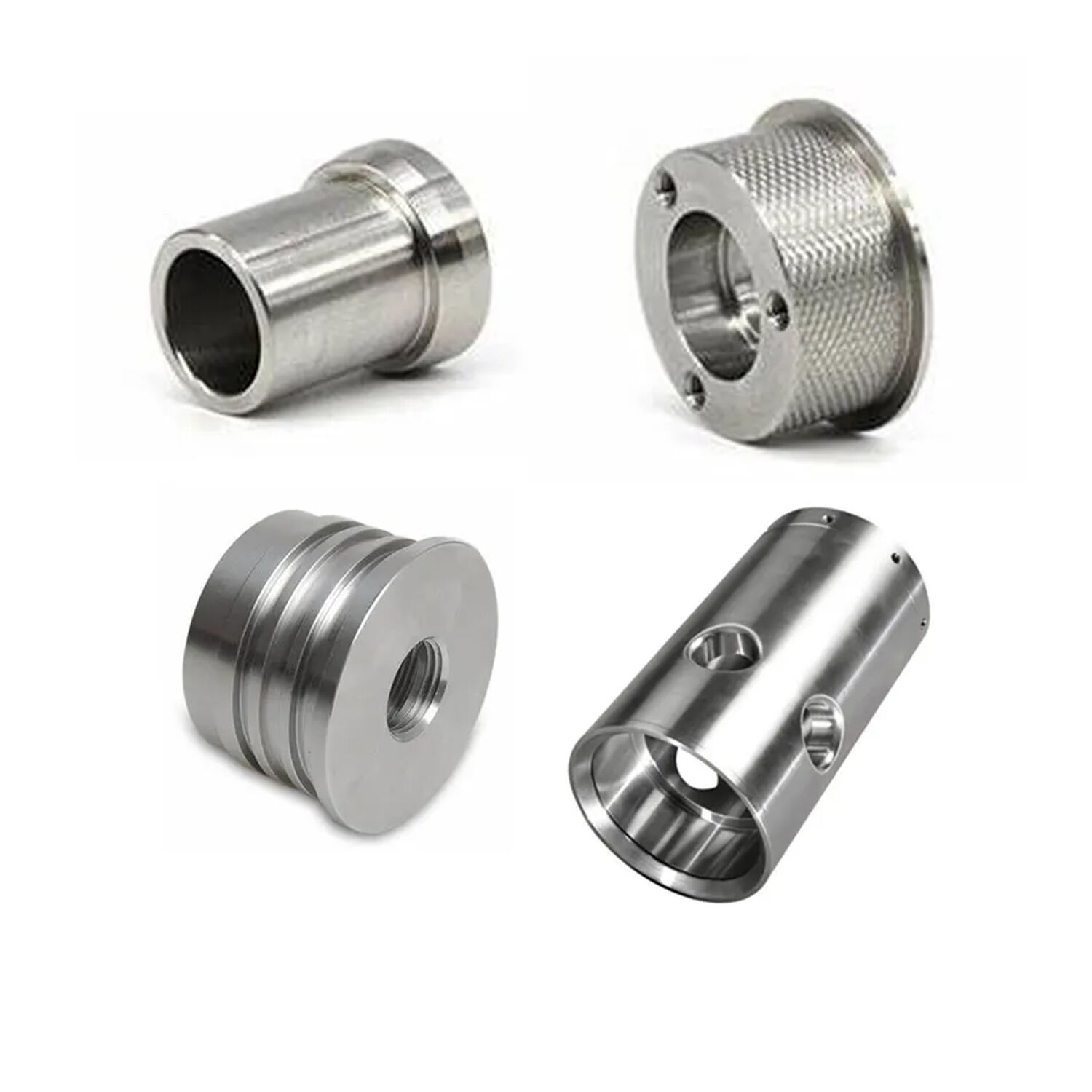
Route Planning by Part
Geometry and functional features determine where secondary machining, deburring or finishing support is required.
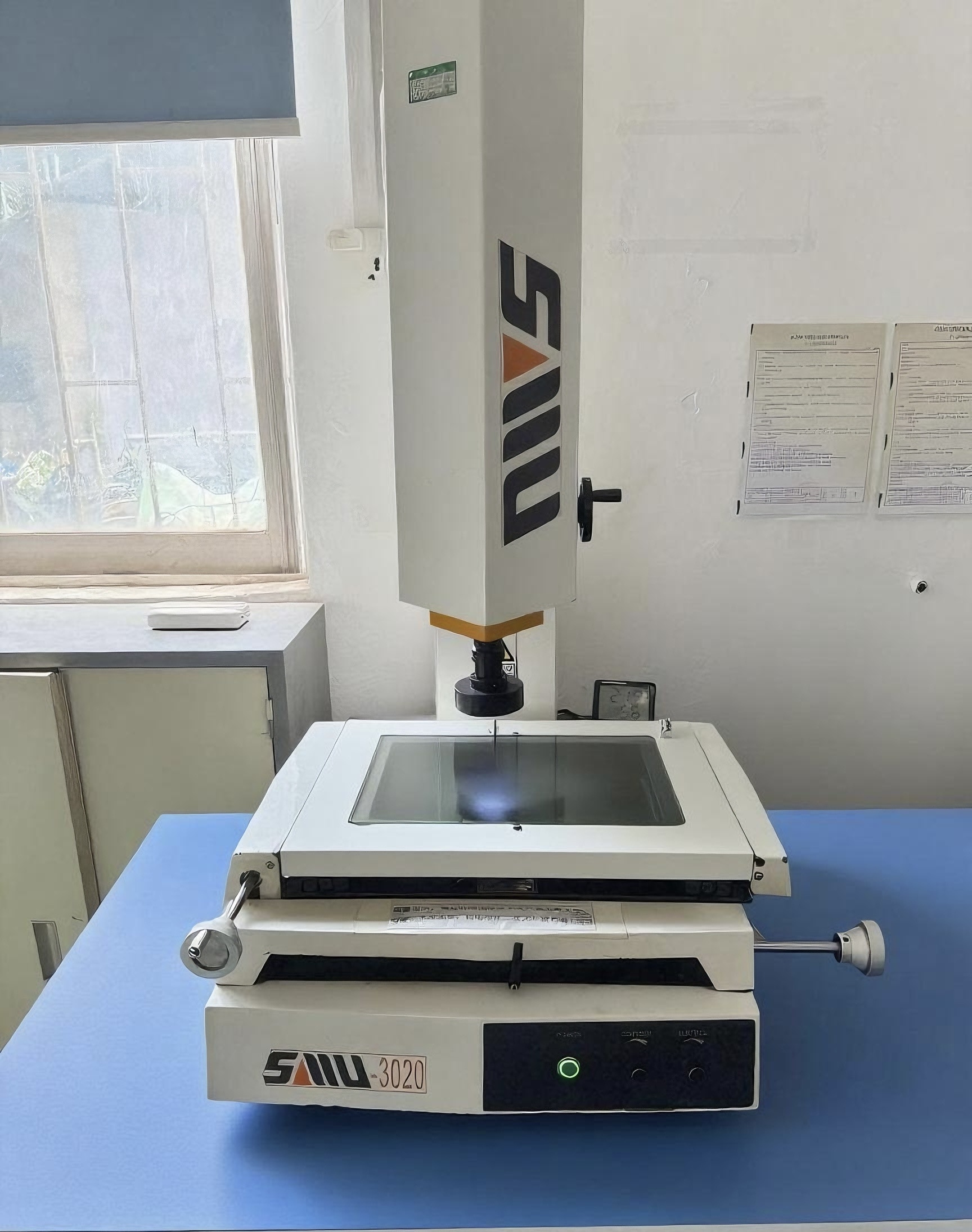
Critical-Feature Inspection
Diameters, threads, mating surfaces and other functional features receive inspection attention according to the part requirement.
Small precision turned components such as shafts, pins, sleeves, bushings, connectors, fittings, threaded parts, nozzles and valve-related components are among the strongest fits, particularly where controlled feature relationships and repeat production matter.
Yes. Cross holes, flats, slots, tapping and selected milled features can be added where the turned core requires additional geometry. The final process depends on the component design and production requirements.
Swiss turning is especially useful for small, slender or multi-feature bar-fed components where support close to the cutting zone helps control deflection and feature relationships. Shorter or simpler geometry may be more efficient on conventional CNC turning or automatic-lathe equipment.
Yes. Prototype and first-article work can be used to verify geometry, fit and critical features before the process moves into batch and repeat production.