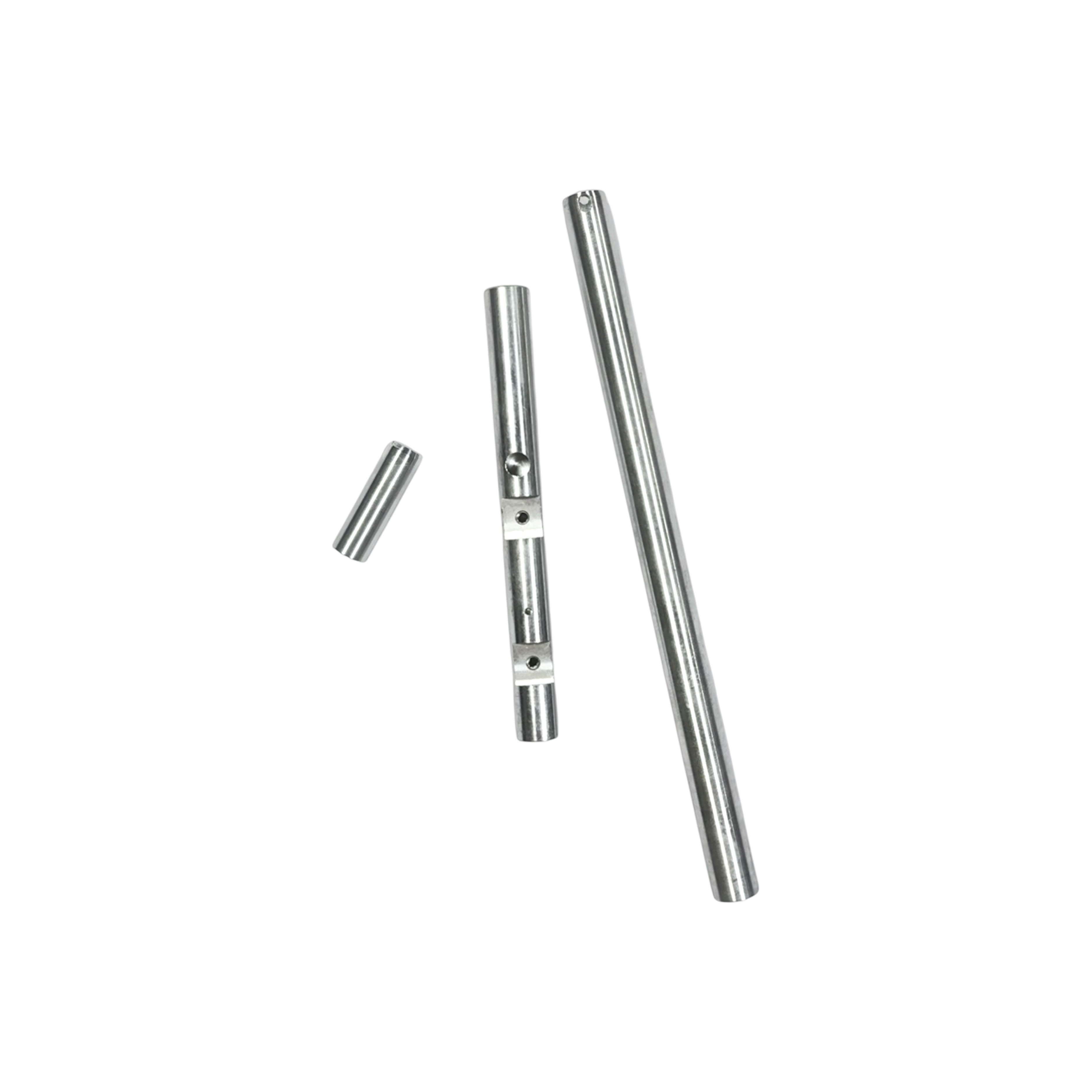
Precision Shafts
Slender, stepped or mating shafts where diameter relationships and repeatability matter.
View shafts and pinsSWISS-TYPE PRECISION TURNING
For shafts, pins, sleeves, connectors and compact turned components where long-to-diameter ratio, close feature relationships and repeatability matter.
FREEFLY CNC uses Swiss-type turning for small precision parts that benefit from guide-bushing support near the cutting zone, stable bar-fed production and coordinated secondary features.
Useful inputs: part drawing or model, material grade, quantity range and critical features.
02 / PROJECT FIT
Swiss turning is strongest when a part is small, slender, rotational and feature-dense. The process helps control deflection and repeatability when several diameters, grooves, threads or cross features must be produced in a stable sequence.
Small-diameter rotational parts fit the Swiss turning route well.
Guide-bushing support can keep the workpiece supported close to the cutting zone.
Stepped diameters, grooves and threads can be sequenced efficiently.
Critical-to-quality features should be clear before production starts.
May require live tooling or planned secondary machining.
Conventional CNC turning or automatic-lathe machining may be more economical.
Oversize or unsuitable geometry should move to another route.
03 / GUIDE-BUSHING LOGIC
Swiss-type turning supports the bar close to the cutting zone while the stock feeds through the guide bushing. That support is useful when slender geometry, small diameters or long feature relationships would otherwise be more sensitive to deflection.
Swiss turning is not automatically the right route for every small part. Short, simple geometry may be better handled by conventional CNC turning or automatic-lathe production.
04 / CAPABILITY WINDOW
These figures provide a practical reference for Swiss-turning projects. Final process selection depends on part geometry, material, tolerance and inspection requirements.
| Core Process | Swiss / sliding-headstock turning for small precision components |
|---|---|
| Bar Capacity Reference | Up to approximately Ø38 mm |
| Typical Tolerance | Around ±0.01 mm on suitable drawing features |
| Prototype Support | Typical sample route around 7 days, project-dependent |
| Production Fit | 500+ pcs aligns well with repeat production strength |
| Secondary Features | Cross holes, flats, slots and finishing reviewed by route |
05 / PART FAMILIES
Common families include shafts, pins, sleeves, connectors, threaded parts and compact fluid-control components.
Slender, stepped or mating shafts where diameter relationships and repeatability matter.
View shafts and pins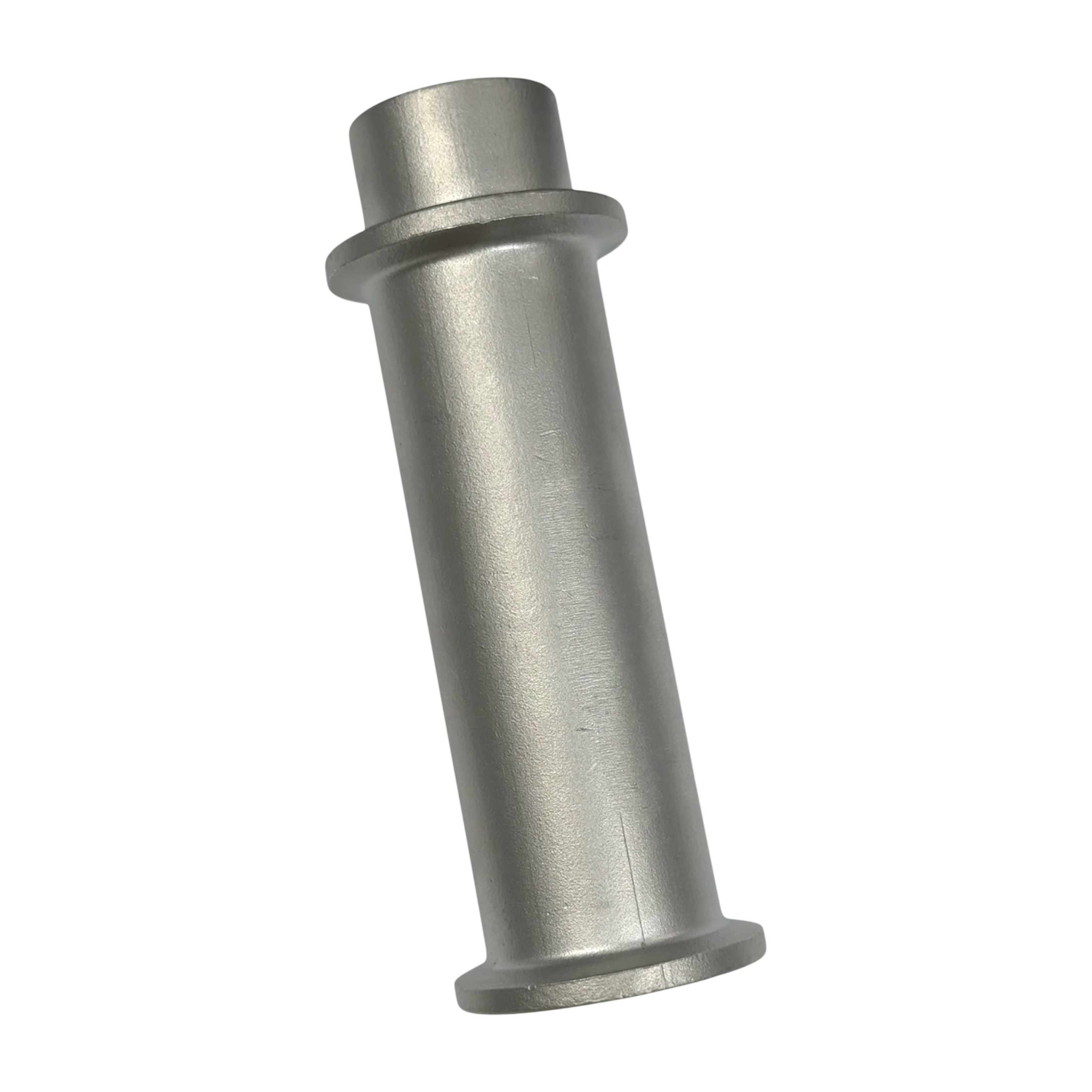
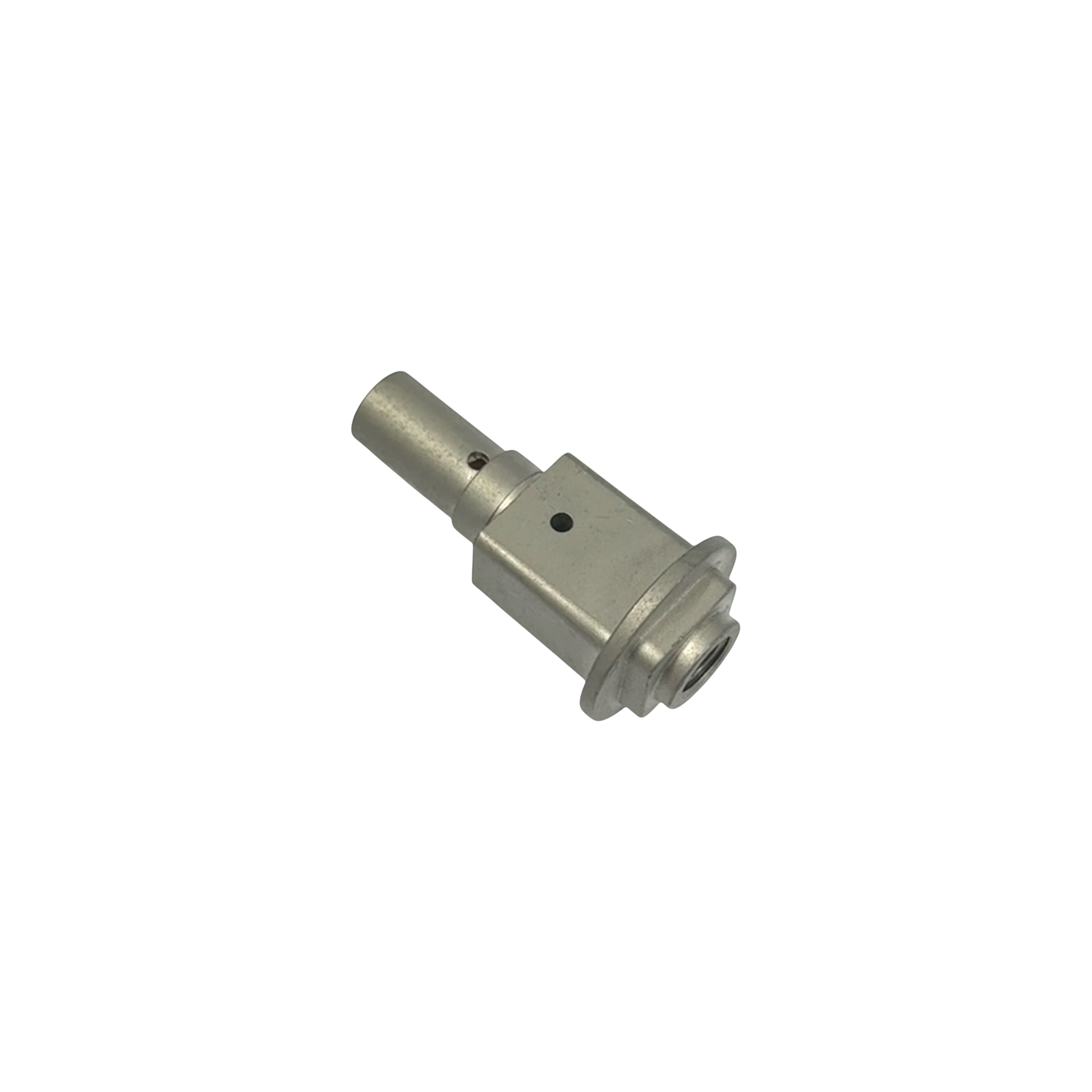
Compact connection parts with threads, bores and assembly features.
View connectors and fittings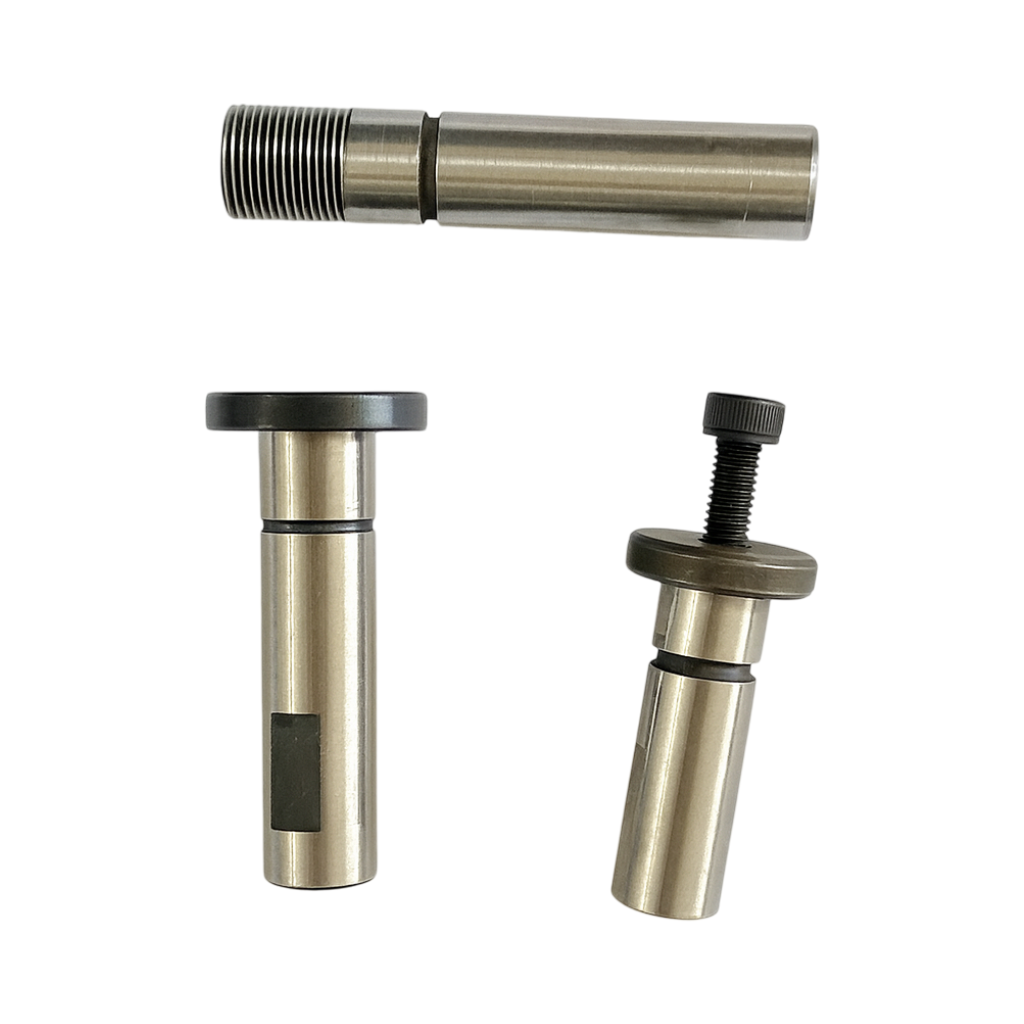
Sleeves and bushings with controlled IDs, ODs and mating faces.
View bushings and sleeves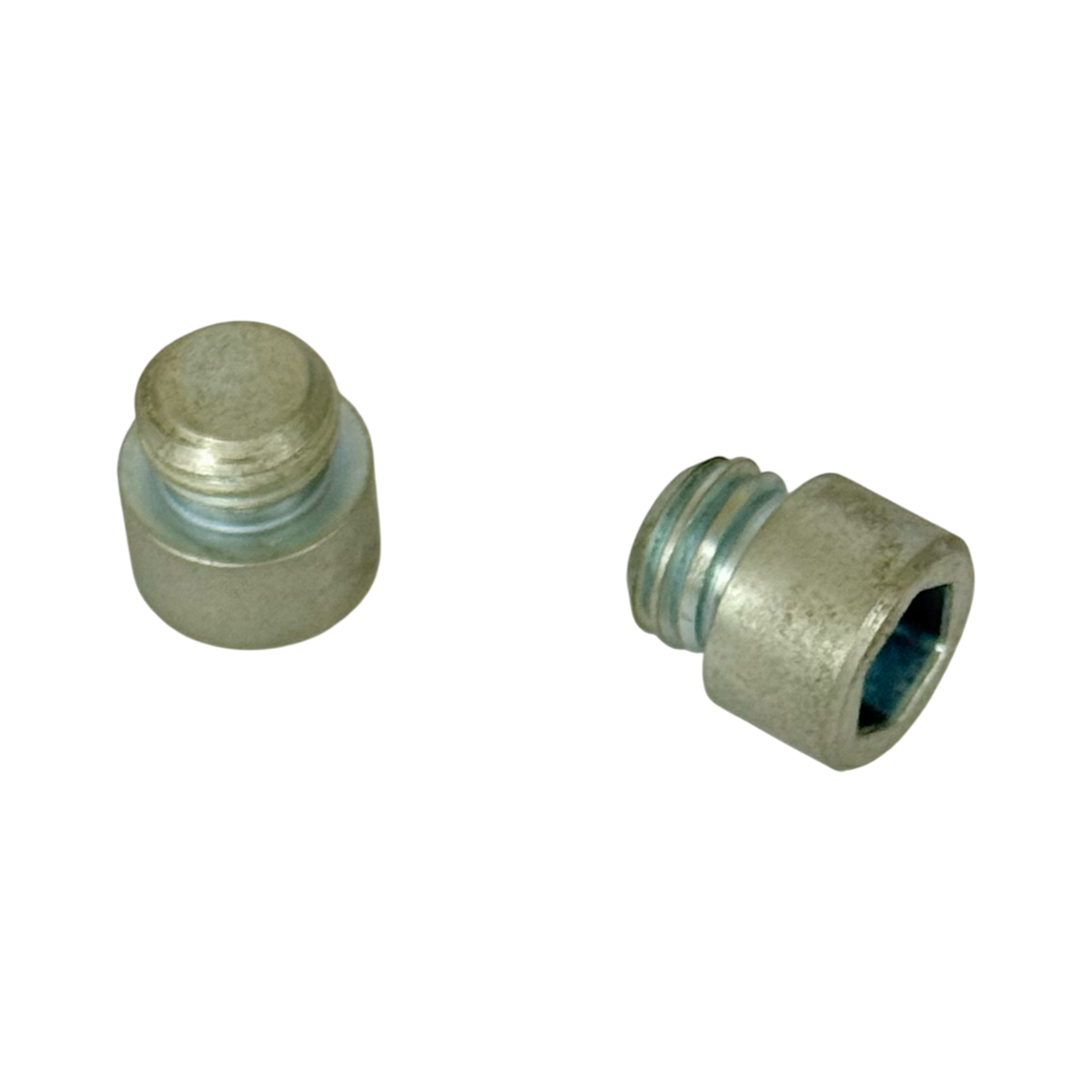
External and internal threaded components where thread quality and material behavior matter.
View threaded parts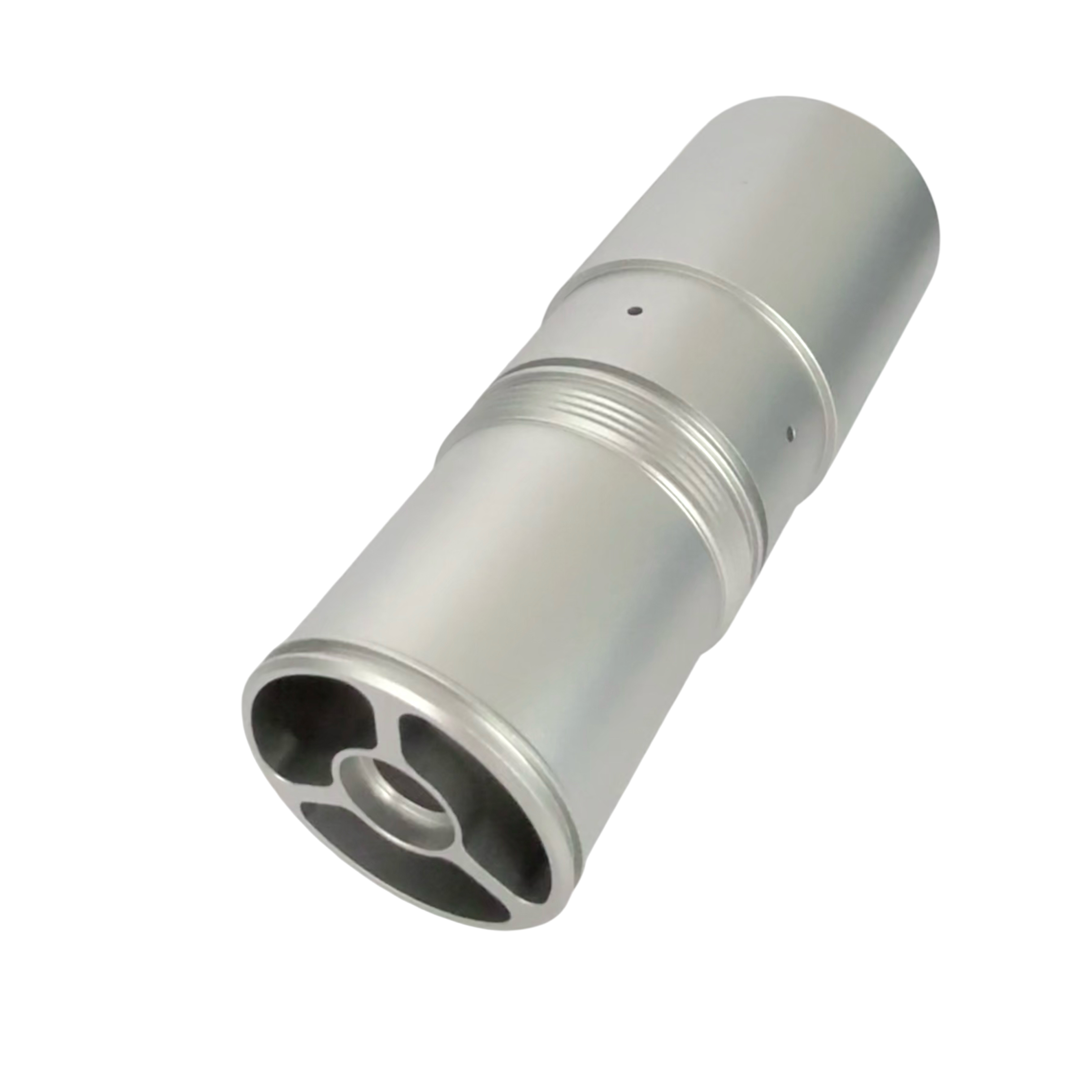
Compact valve, nozzle and flow-related parts when the geometry fits the Swiss route.
View nozzle and valve parts06 / PROCESS SELECTION
Swiss turning is one route inside a broader turning workflow. For short, simple parts, conventional CNC turning or automatic-lathe machining may be more efficient.
07 / MANUFACTURING FEATURES
Swiss-turned components can combine diameters, shoulders, grooves, threads and selected cross features in one controlled manufacturing route.
OD turning
Grooves
Threads
Secondary route
08 / MATERIALS
Material choice affects chip control, surface finish, thread quality, tool wear and final inspection. FREEFLY CNC commonly works with steel, stainless steel, brass and aluminum for suitable turned-part projects.
Common for functional turned components where strength, thread reliability and repeat-production stability matter.
Selected when corrosion resistance, clean appearance and controlled fit need to be reviewed together.
Often used for connectors, fittings and small functional parts where machinability or conductivity affects the route.
Reviewed for lightweight components where geometry, surface finish and thread details need early confirmation.
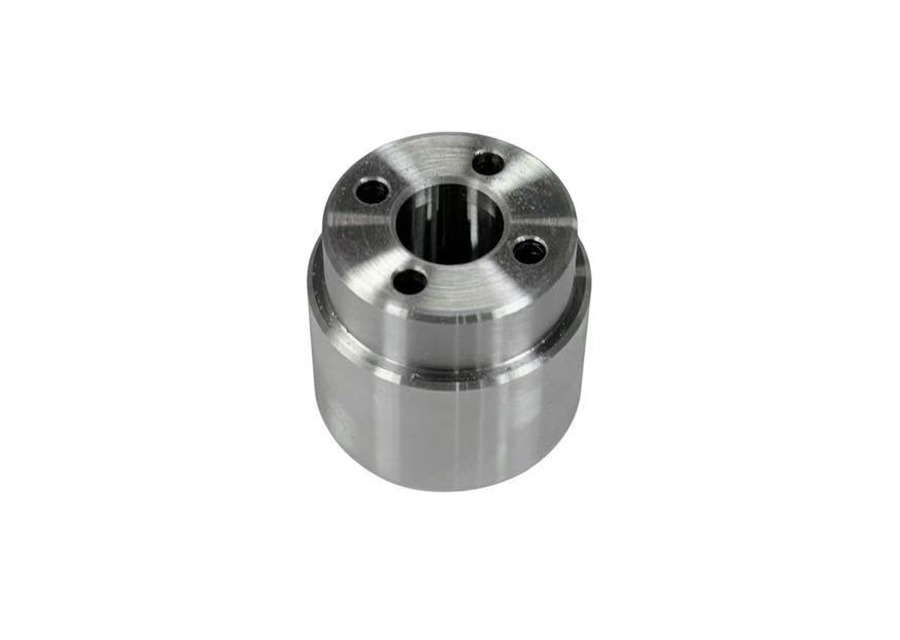
09 / MANUFACTURING CHECKPOINTS
10 / PROTOTYPE TO REPEAT
A GOOD FIRST ARTICLE SHOULD CONFIRM THE MACHINING SEQUENCE, CRITICAL INSPECTION POINTS AND PROCESS STABILITY BEFORE BATCH PRODUCTION.
Confirm geometry, diameter range and slender-part risk.
Set the Swiss, CNC turning or combined route.
Produce the first article for validation.
Check fit, function and critical dimensions.
Move into batch production when stable.
Maintain the approved dimensions, inspection criteria and production requirements across repeat orders.
11 / CRITICAL TO QUALITY
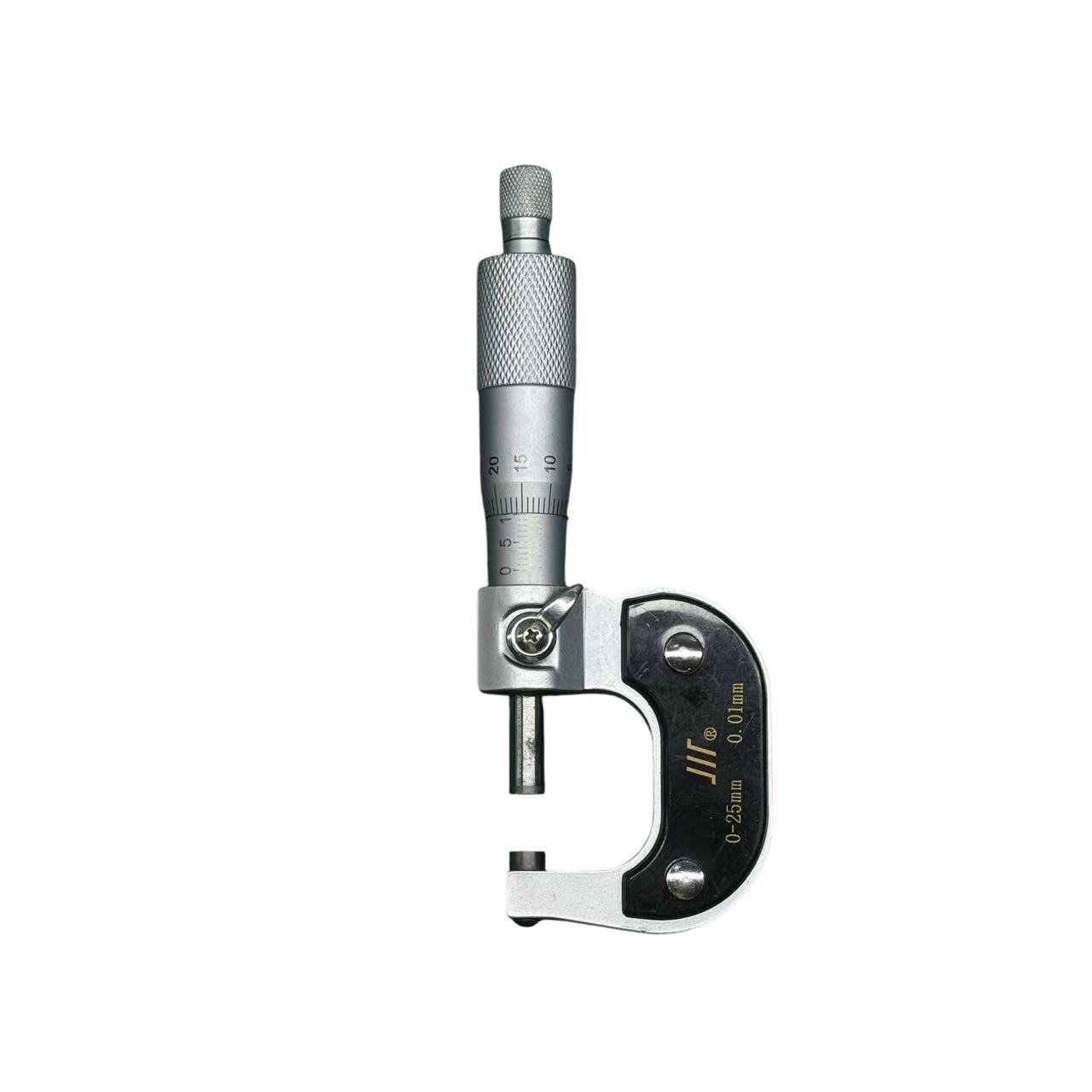
For Swiss-turned parts, quality control focuses on diameter relationships, runout-sensitive features, threads, cross holes and mating surfaces.
12 / PRODUCTION RISK
13 / APPLICATION CONTEXT
Swiss-turned components are commonly used where compact geometry, repeatable assembly and controlled metal features are more important than decorative complexity.
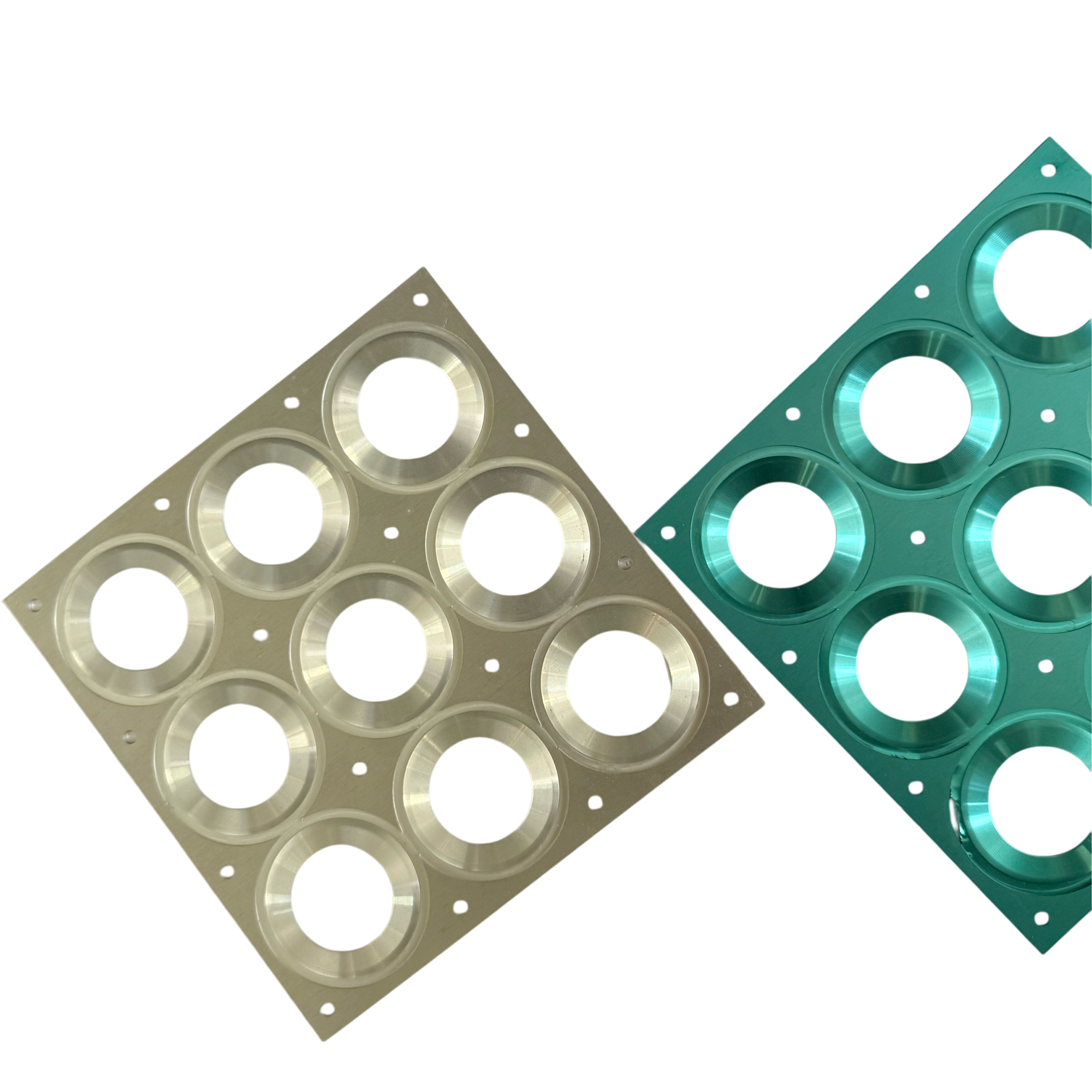 Consumer ElectronicsSmall housings, connector parts and functional metal components.Metal Connection ComponentsThreaded connectors, fittings and mating interfaces.Fluid-Control Related PartsNozzles, sleeves and small valve-related components where route fit is confirmed.
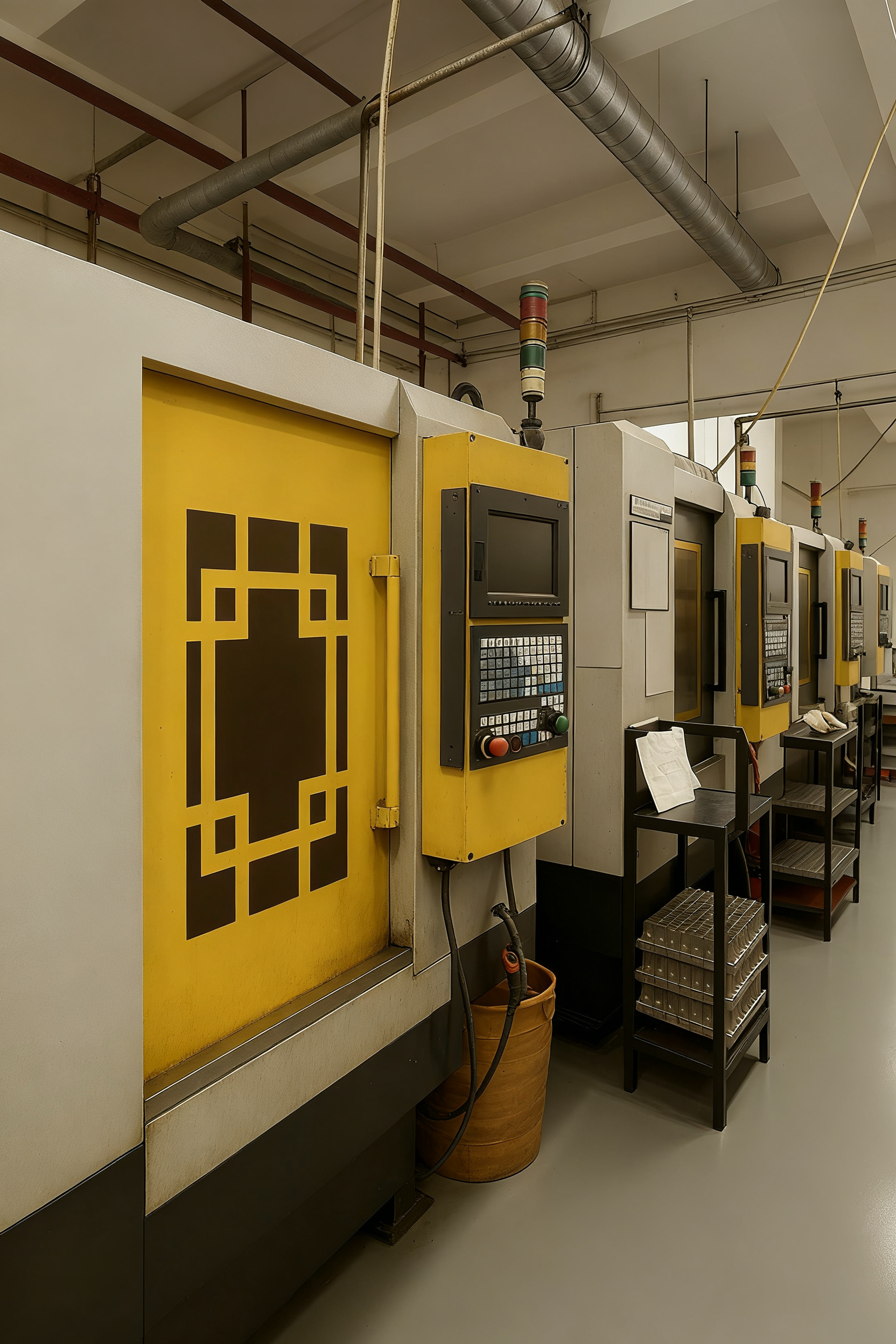 General Industrial ProductsRepeat-production components used in mechanical equipment and assemblies.
14 / PRODUCTION PROFILE
Swiss-turned projects commonly combine small rotational geometry, controlled diameters, threads and mating features with prototype validation and repeat production.
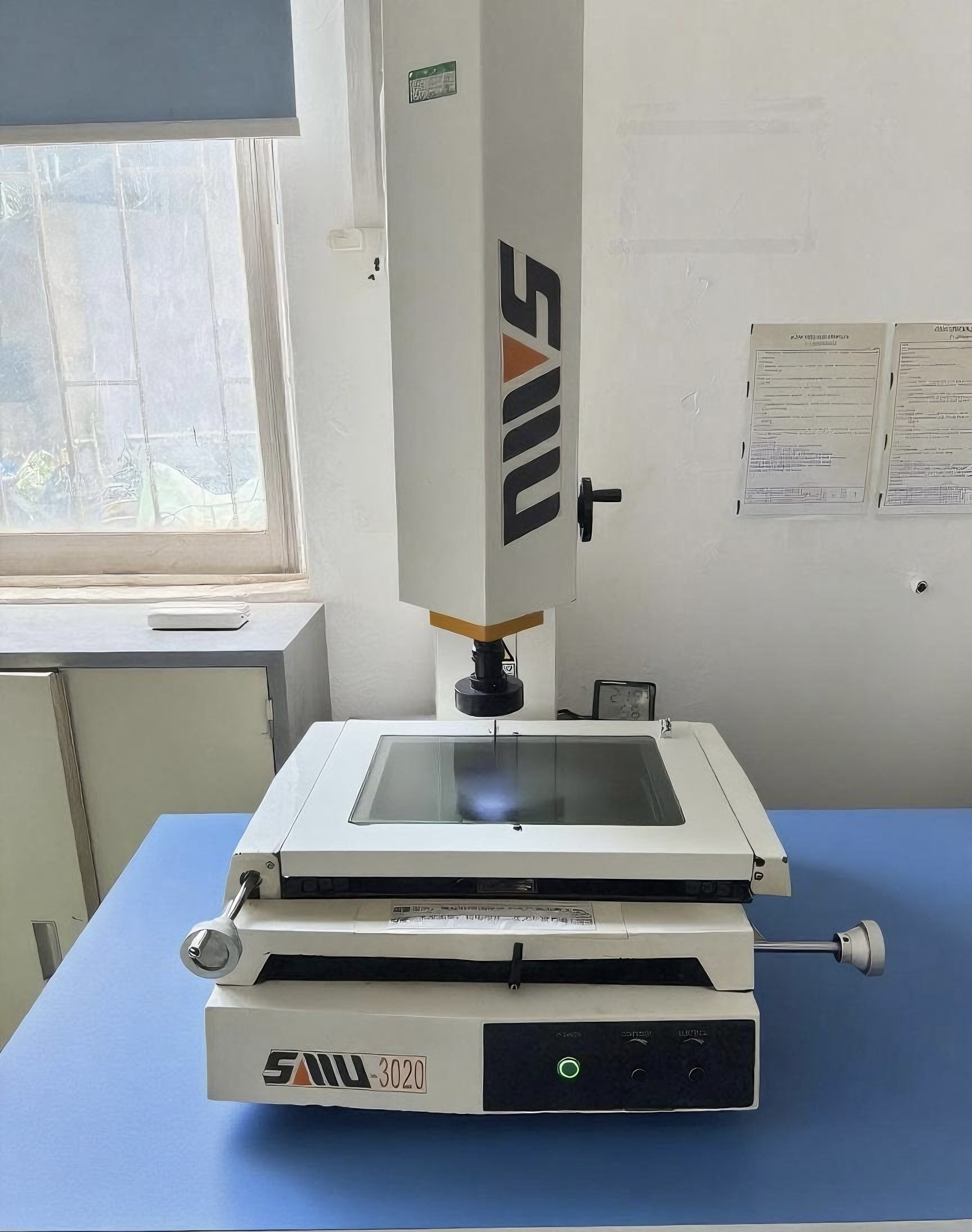
Small precision rotational components are the strongest fit. The current Swiss-type bar-capacity reference is up to approximately Ø38 mm, but finished-part feasibility still depends on geometry, length, material and route.
No. Prototype and sample validation can be supported. Production volumes of 500 pieces and above are especially aligned with repeat-production strength, but that is not stated as a required starting quantity.
Swiss turning is usually considered when small diameter, slender geometry, multiple diameter relationships or repeat-production stability make guide-bushing support useful. Short and simple parts may be better suited to conventional CNC turning or automatic lathe machining.
No tolerance should be assumed universally. Around ±0.01 mm is a typical reference for suitable features, and final capability must be confirmed from the drawing, material and inspection requirements.
Yes, where the route supports it. Cross holes, flats, slots and other non-rotational features may require live-tool machining or coordinated secondary operations.
Commonly reviewed materials include steel, stainless steel, brass, aluminum and other suitable machinable materials. Final material fit is confirmed from drawing, grade and application requirements.
Send 2D drawings, 3D models when available, material grade, quantity, critical tolerances, surface finish requirements, inspection expectations and the application context that affects manufacturing decisions.