All operations should follow one final-state requirement.
AFTER MACHINING
Secondary Operations That Turn Machined Parts into Ready-to-Use Components
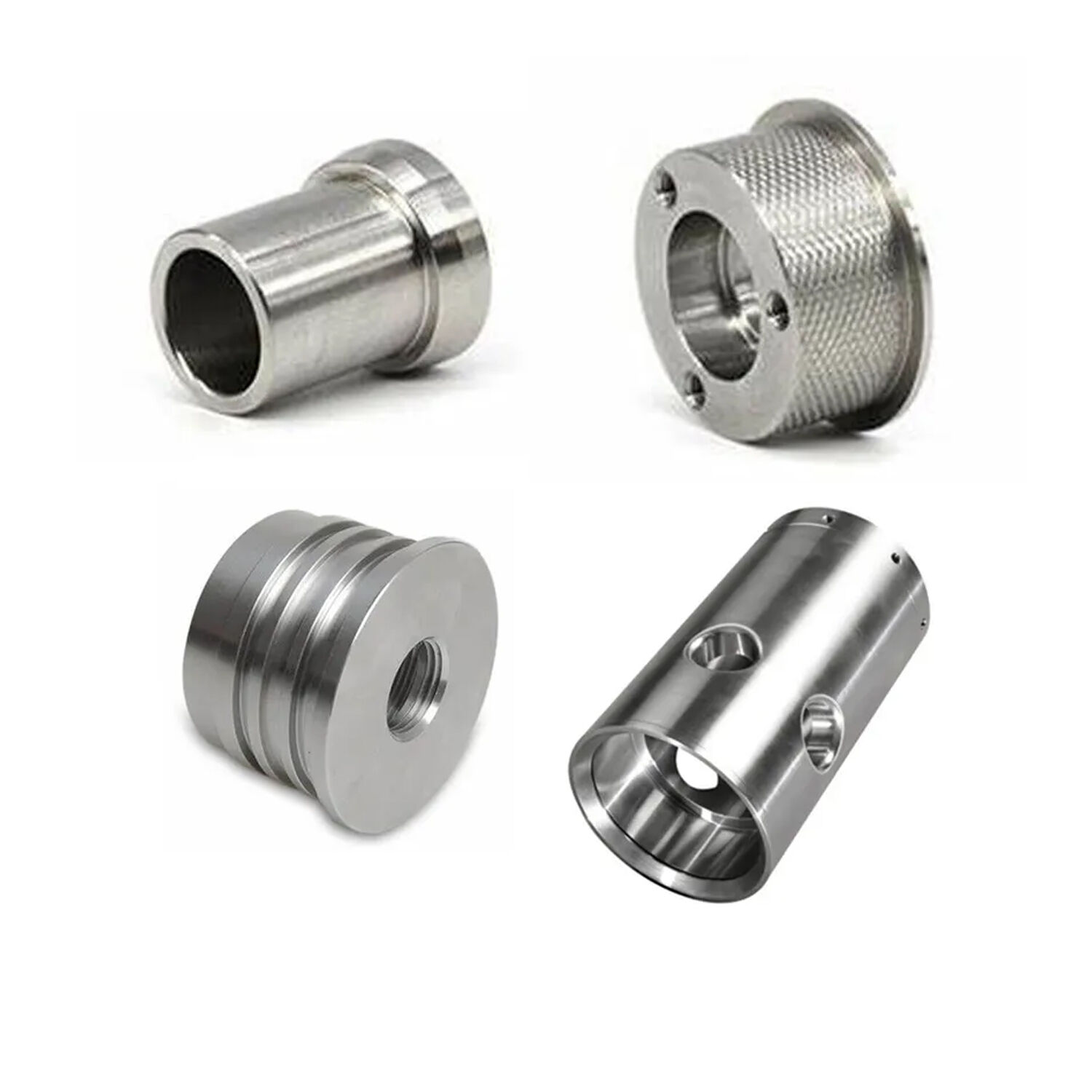
Secondary operations complete turned and machined parts so they arrive closer to final assembly condition. FREEFLY CNC coordinates drilling, tapping, reaming, knurling, deburring, cleaning, marking, finishing interfaces and light assembly needs around the finished part.
Secondary requirements should be clear early so the machining route, operation order, inspection points and final part condition stay aligned.
process sequence / before to after
~±0.01 mmTypical tolerance on suitable features
~7 DaysTypical sample route, project-dependent
500+ pcsProduction strength, samples supported
ISO 9001Quality management system
/ Scope
Operations that complete the component
Secondary operations should be tied to a specific function on the final part.
| Requirement | Manufacturing Focus | Buyer Value |
|---|---|---|
| Drilling | Cross holes, blind holes, through holes and passages. | Keeps operation sequence, inspection and final part requirements aligned. |
| Tapping / threading | Internal threads, usable depth, relief and gauge condition. | Keeps operation sequence, inspection and final part requirements aligned. |
| Reaming | Controlled hole size or fit where required. | Keeps operation sequence, inspection and final part requirements aligned. |
| Deburr / cleaning | Edge condition, chips, cleanliness and handling state. | Keeps operation sequence, inspection and final part requirements aligned. |
/ Process Ownership
One route for the finished part
The value is a coordinated route: machining, deburring, finishing, inspection and handling planned around the final part condition.
Machining, deburr, finish and inspection order can change final dimensions.
Where outside finishing is needed, requirements should be planned early.
Inspection should match the part condition the buyer will receive.
/ Sequence
Operation order changes the final part
Threading, reaming, plating, deburring and cleaning can affect fit depending on when they occur.
Create the primary geometry and datums.
Add holes, threads, flats, slots or grip details.
Control surface state, coating-sensitive fits and chips.
Check the finished component in the correct condition.
/ Drilling
Cross holes require more than diameter
A drilled feature must be reviewed against function, datum, wall thickness and exit condition.
Exit burrs and intersection cleanup should be specified.
Depth, bottom shape and chip removal need review.
Relationship to the turned axis and other passages matters.
Position and diameter need a practical measurement method.
/ Tapping and Threading
Thread function needs clear callouts
Thread class, usable depth, coating state and gauge requirement should be defined before production.
Operation checkpoint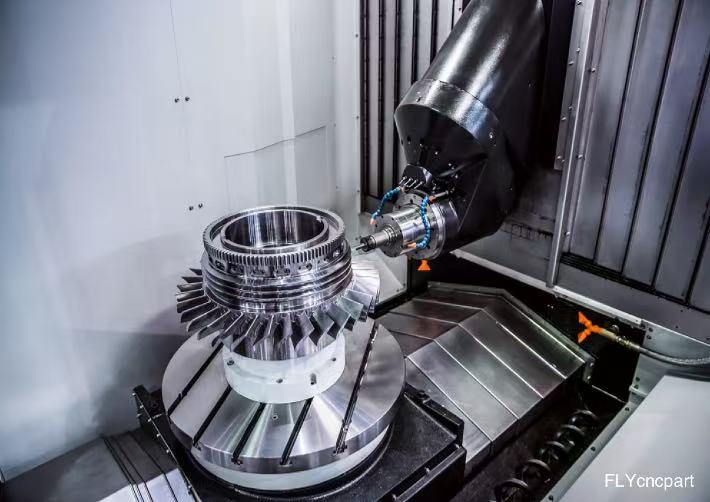
01 / FOCUSThread size / pitch
Call out thread size, usable depth, lead-in and gauge condition in the finished state.
/ Reaming and Fits
Controlled holes need functional context
Reaming can support fit requirements when the hole function, material and inspection method are clear.
State press, slip, pivot or locating function.
Earlier drilling affects final reamed quality.
Hole finish and burrs affect assembly.
Acceptance should be measurable.
/ Knurling and Grip
Texture must support the user function
Knurled or grip features should be reviewed for appearance, hand feel, fit and repeatability.
Operation checkpoint01 / FOCUSGrip pattern
Check this operation against part function, material, tolerance and production route before production.
/ Deburr and Cleanliness
A burr can reject a good dimension
Final part acceptance often depends on edge condition and cleanliness, especially near holes, threads and passages.
Intersections need internal and external burr review.
Assembly entry should be clean and usable.
Edge break expectations should be stated.
Bores or fluid passages may need cleanliness notes.
/ Marking and Traceability
Mark only what the part and buyer require
Marking should support identification or assembly without damaging function or appearance.
Operation checkpoint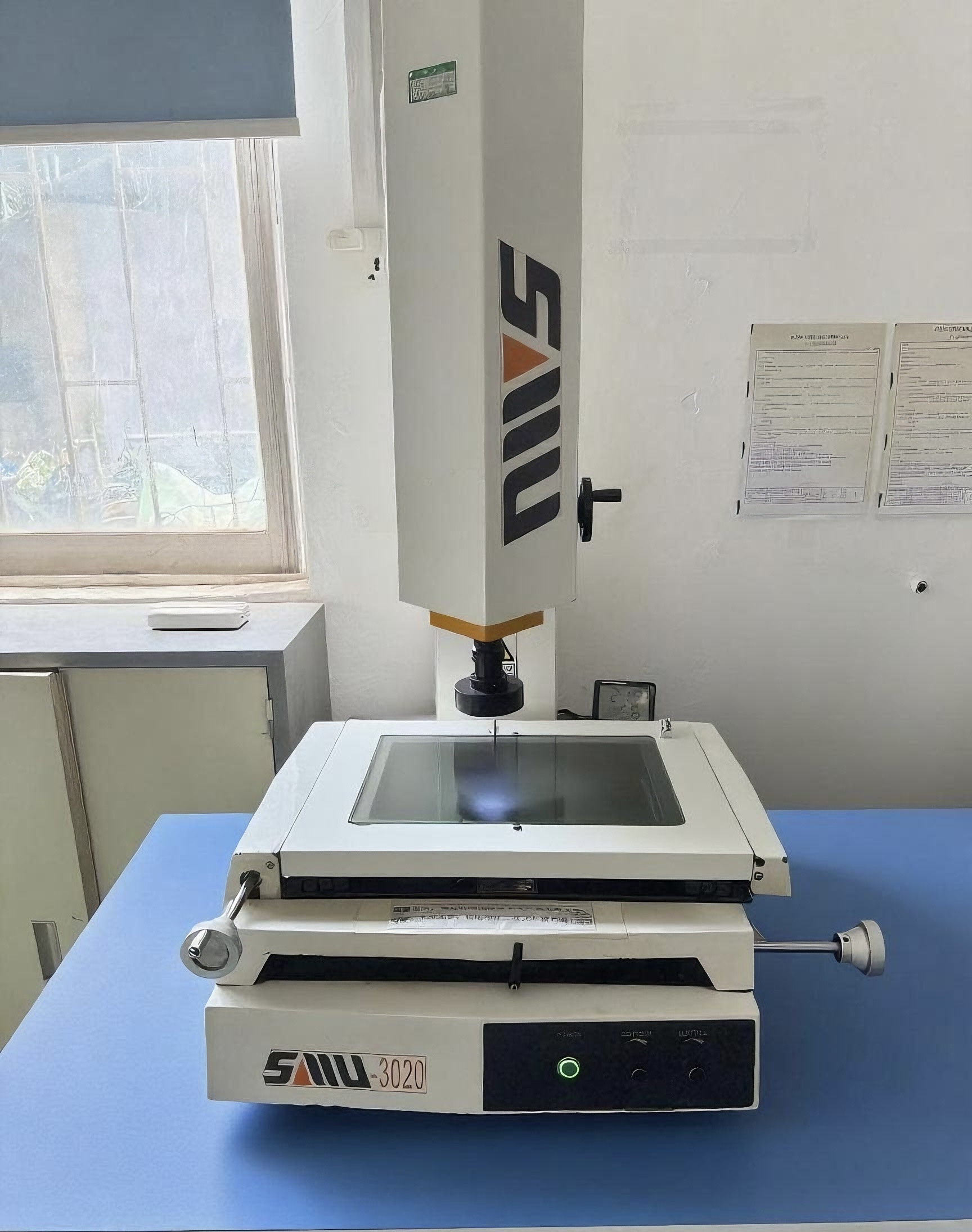
01 / FOCUSPart ID
Check this operation against part function, material, tolerance and production route before production.
/ Light Assembly
Assembly details belong in the drawing package
If inserts, pins, sleeves or simple assembly are required, the final condition should be clear before production.
Share related part drawings where fit depends on them.
State assembly force, clearance or retention needs.
Mark clocking or directional requirements.
Define protection and delivery state.
/ Quality Gates
Inspection follows the process sequence
Every added operation creates a new point where fit, burrs, finish or documentation may need confirmation.
| Requirement | Manufacturing Focus | Buyer Value |
|---|---|---|
| After base machining | Confirm primary dimensions and datums. | Keeps operation sequence, inspection and final part requirements aligned. |
| After secondary operations | Check position, threads, edge condition and cleanliness. | Keeps operation sequence, inspection and final part requirements aligned. |
| After finish | Review final-state dimensions and cosmetic requirements. | Keeps operation sequence, inspection and final part requirements aligned. |
| Before shipment | Confirm packaging, labels and required documents. | Keeps operation sequence, inspection and final part requirements aligned. |
/ FINISHED PART CHECKLIST
Define the complete finished part
Complete operation details help avoid rework caused by late secondary-operation changes.
Include all features and notes in one package.
Call out drilling, tapping, reaming, marking, deburr, cleaning or assembly.
State final-state acceptance and documentation needs.
Tell us sample, pilot or repeat-production context.
Drilling, tapping, reaming, knurling, deburring, cleaning, marking, finishing interfaces and light assembly can be evaluated from the drawing.
Yes, when geometry, access, datum relationship and burr control can be managed.
Because edge condition, thread starts and cross-hole burrs can affect assembly even when dimensions are correct.
Send drawings, material, quantity, finish, operation notes, inspection requirements and final delivery condition.