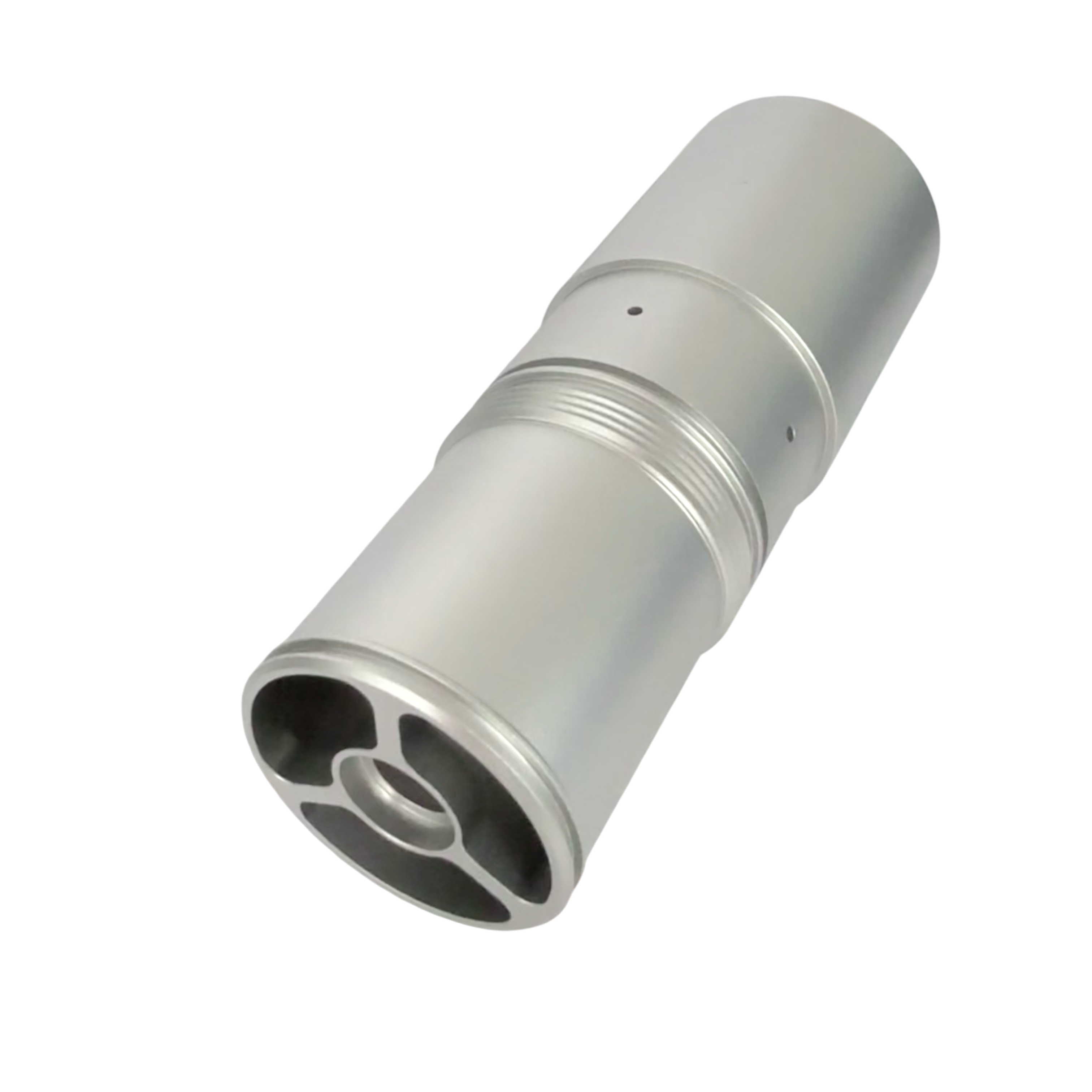
Valve Spools
Lands, grooves and shoulders reviewed as a functional turned profile.
/ VALVE COMPONENTS
Valve-related turned parts depend on OD/ID relationship, lands, grooves, sliding fit, surface condition and repeatable inspection release.
Upload Drawing & Request a Quote->/ PRODUCT CHECK
For valve components, the important question is not only shape. The RFQ should show functional surfaces, movement/contact areas and which diameters control the assembly.
Lands, grooves and shoulders reviewed as a functional turned profile.
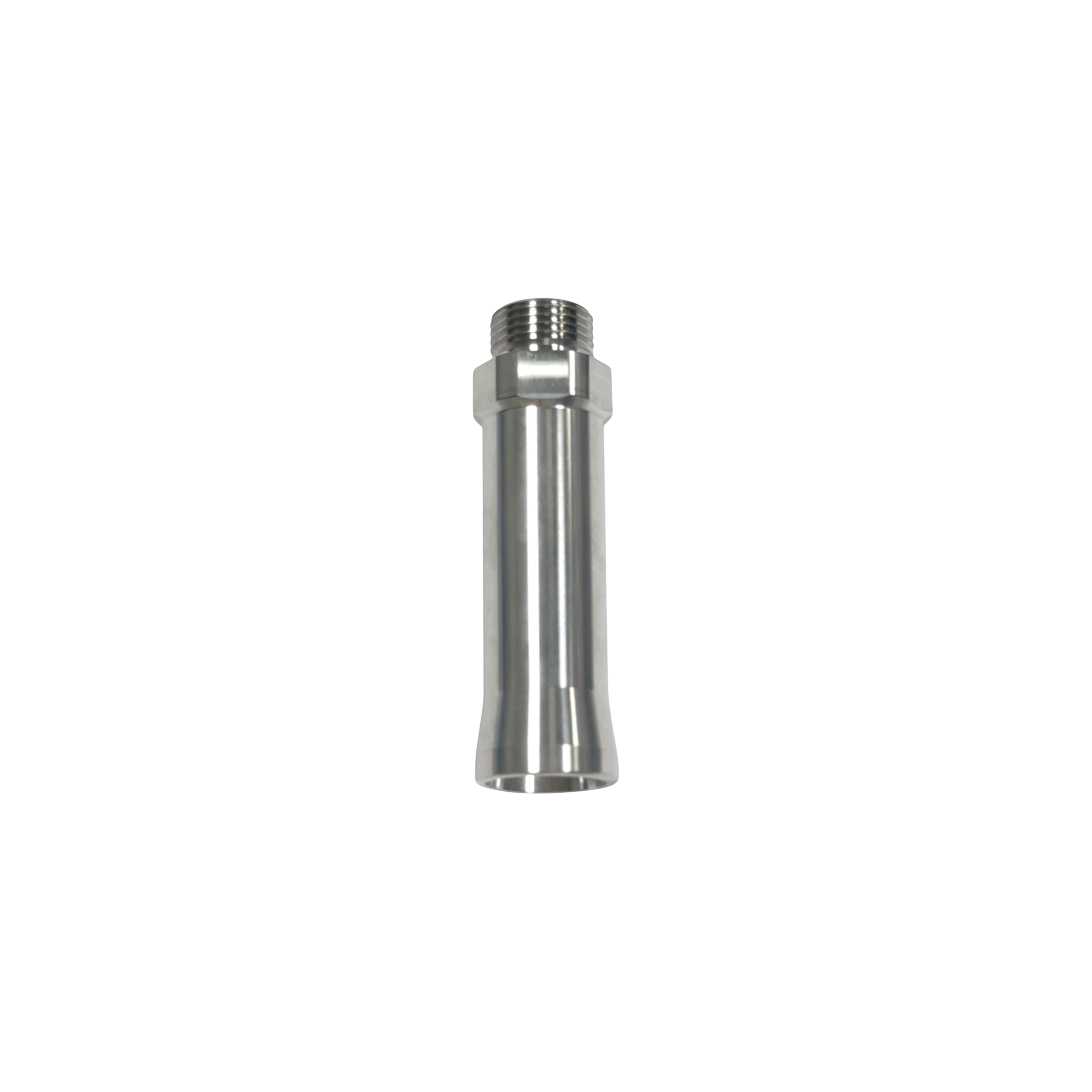
OD/ID relationships and bore access affect machining and inspection.
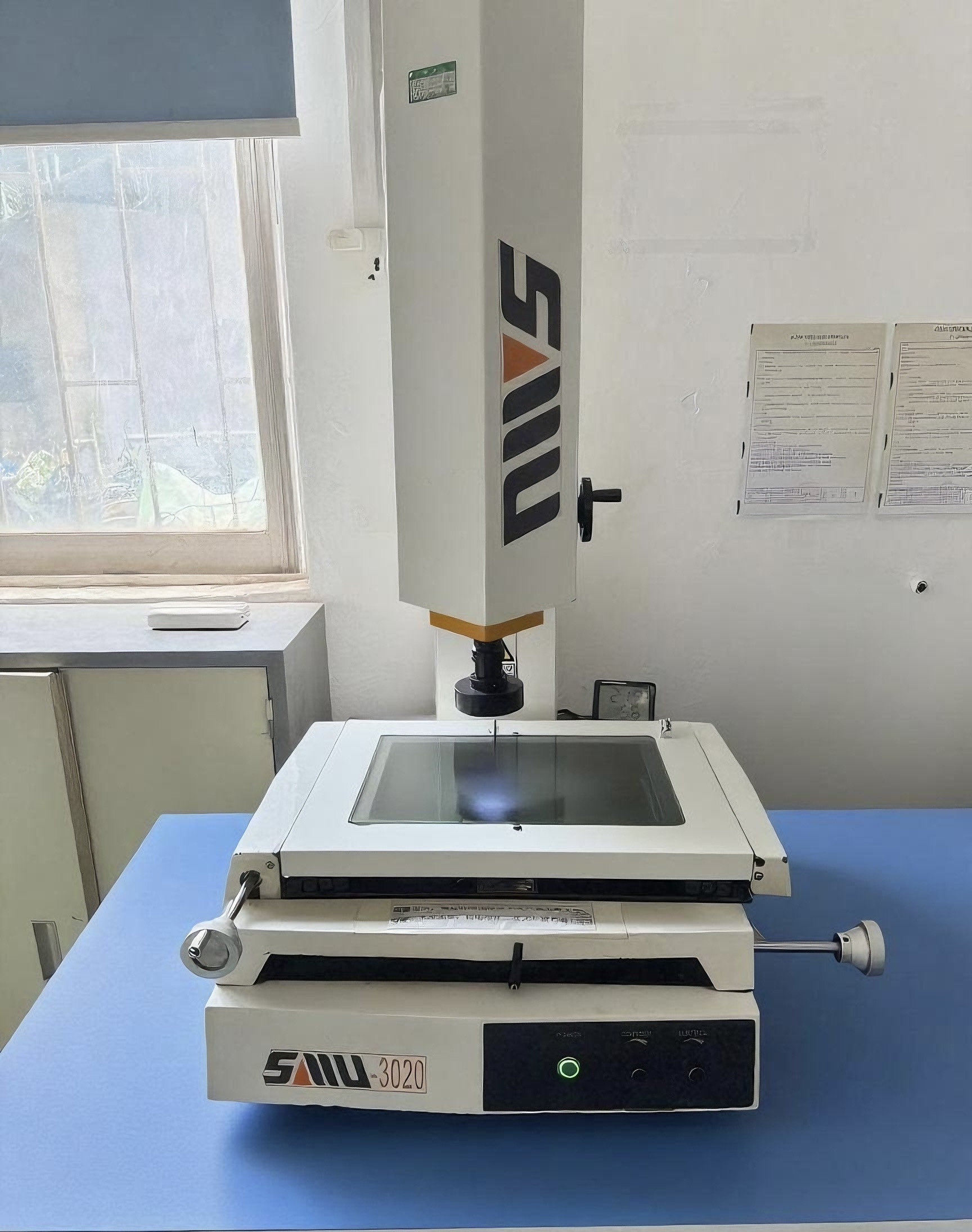
Functional diameters and fit-critical surfaces need realistic inspection planning.
Raised functional diameters need clear tolerance, finish and edge condition.
Groove width, depth, radius and edge break affect sealing and movement.
Faces and shoulders should be tied to datum and assembly direction.
Sliding or sealing areas need finish notes before quotation.
/ FEATURE RELATIONSHIP
Feature review separates geometry, fit and inspection so the RFQ identifies the details that change manufacturing risk.
/ FIT CONTROL
A valve component RFQ is clearer when functional surfaces are separated from general dimensions and cosmetic finish notes.
Controls sliding or sealing contact.
Stable turning datum and finish control.
Tolerance, finish, edge break and contact function.
Controls mating shaft, pin or fluid passage.
Boring/reaming access and gauge method.
Depth, diameter, finish and inspection requirement.
Controls seal, retaining ring or fluid relief.
Tool access, width control and burr removal.
Groove width, depth, radius and burr note.
Controls assembly stack or stop position.
Facing sequence and datum transfer.
Datum callout and critical axial dimension.
/ PROCUREMENT DETAIL
These details make the quote more realistic and reduce back-and-forth between procurement and engineering.
Mark which diameters, bores or faces control operation.
Separate sliding/contact finish from general machined surfaces.
Confirm corrosion, wear or heat-treatment needs if applicable.
Tell us sample and repeat quantity targets.
Identify grooves or ports where burrs affect movement or sealing.
Confirm if gauge, pin, plug or visual inspection is expected.
/ RELEASE LOGIC
Valve-related components need a route that protects functional diameters and surfaces from machining through final handling.
Establish OD/ID, lands, shoulders and reference faces.
Cut grooves, reliefs and finish-sensitive features with burr planning.
Confirm fit-critical dimensions and finish before shipment.
Mark functional diameters, groove details, surface finish, material grade, burr notes, inspection expectations and quantity.
They can use the same RFQ path, but sleeves usually depend more on ID/OD relationship while pistons and spools depend on lands, grooves and contact surfaces.
Not always. A drawing with functional surfaces and tolerance notes is usually enough, but assembly context helps when fit or movement is critical.
Yes. Finish, tolerance, material and burr requirements should be reviewed together because they affect setup and inspection.
No. 500+ pieces is a strong repeat-production fit, but samples or pilot quantities can be reviewed first.