Small bar-fed precision components where geometry fits.
EQUIPMENT + PRODUCTION FIT
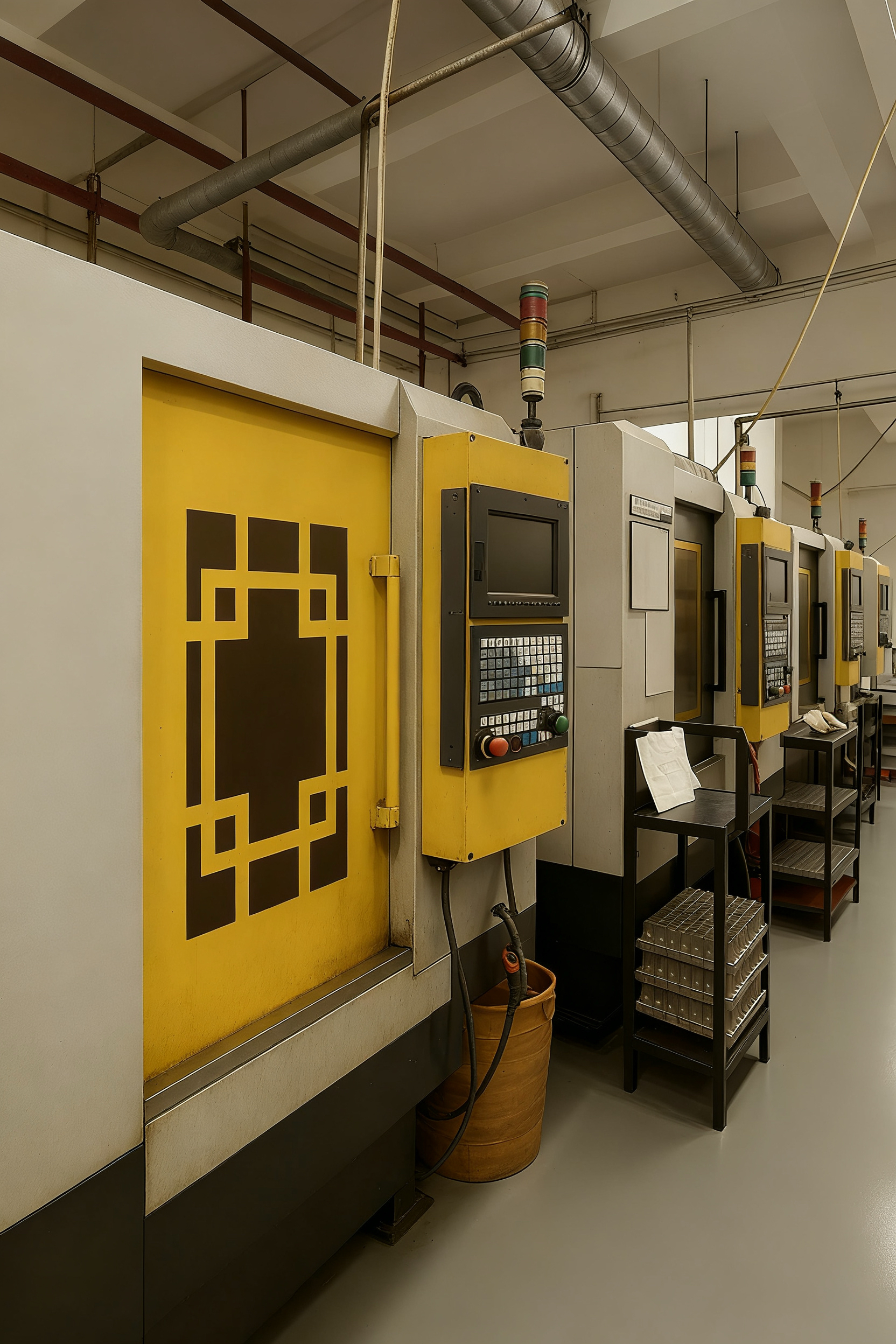
CNC Turning Equipment Built Around Precision Production
Equipment supports Swiss-type turning, CNC turning, automatic-lathe production, supporting machining, workholding, tooling, inspection and repeat-production control for small precision components.
A suitable route is selected from the part geometry, material, quantity, tolerance scope and inspection requirement.
machine architecture / workholding / tooling / inspection
~±0.01 mmTypical tolerance on suitable features
~7 DaysTypical sample route after review
500+ pcsProduction strength, samples supported
ISO 9001Quality management system
/ EQUIPMENT ROLE
Equipment matters when it supports the part
Equipment is useful when it is matched with workholding, tool access, feature capability, inspection and stable production.
Production focus01 / FOCUSMachine architecture
Confirm this point against the drawing function, material, tolerance and production route.
/ Equipment Snapshot
Route families for turned components
Each route family supports a different geometry, feature set and production rhythm.
Flexible rotational components, prototypes and varied turned profiles.
Stable repeat-volume turned parts where production economics support the route.
Added flats, holes, slots, tapping, deburr and finish interfaces.
/ Swiss-Type Equipment
For small bar-fed precision components
The approx. Ø38 mm Swiss-type context should be used carefully and connected to drawing geometry.
Production focus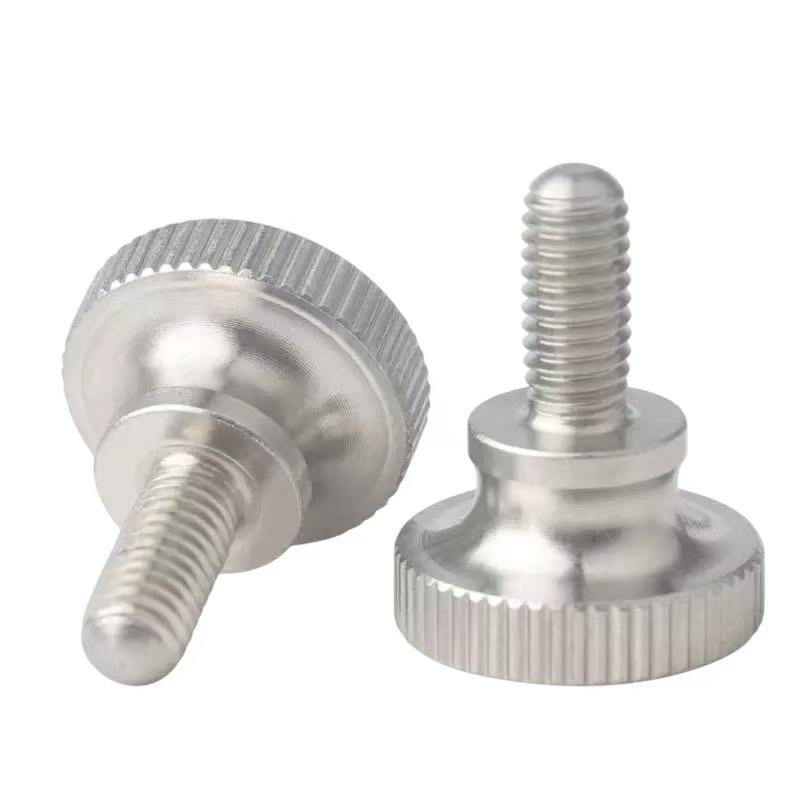
01 / FOCUSApprox. Ø38 mm context
Confirm this point against the drawing function, material, tolerance and production route.
/ CNC Turning Equipment
Flexible routing for rotational parts
Conventional CNC turning should be described separately from Swiss-type capability.
Useful where the part can be held and referenced from suitable surfaces.
Diameters, bores, grooves and threads define the base route.
Useful before repeat-production tooling is locked.
Flats or cross holes may require supporting machining review.
/ Automatic Lathe Equipment
A production route for stable repeat parts
Automatic lathe review should focus on repeat economics, drawing stability and part geometry.
Production focus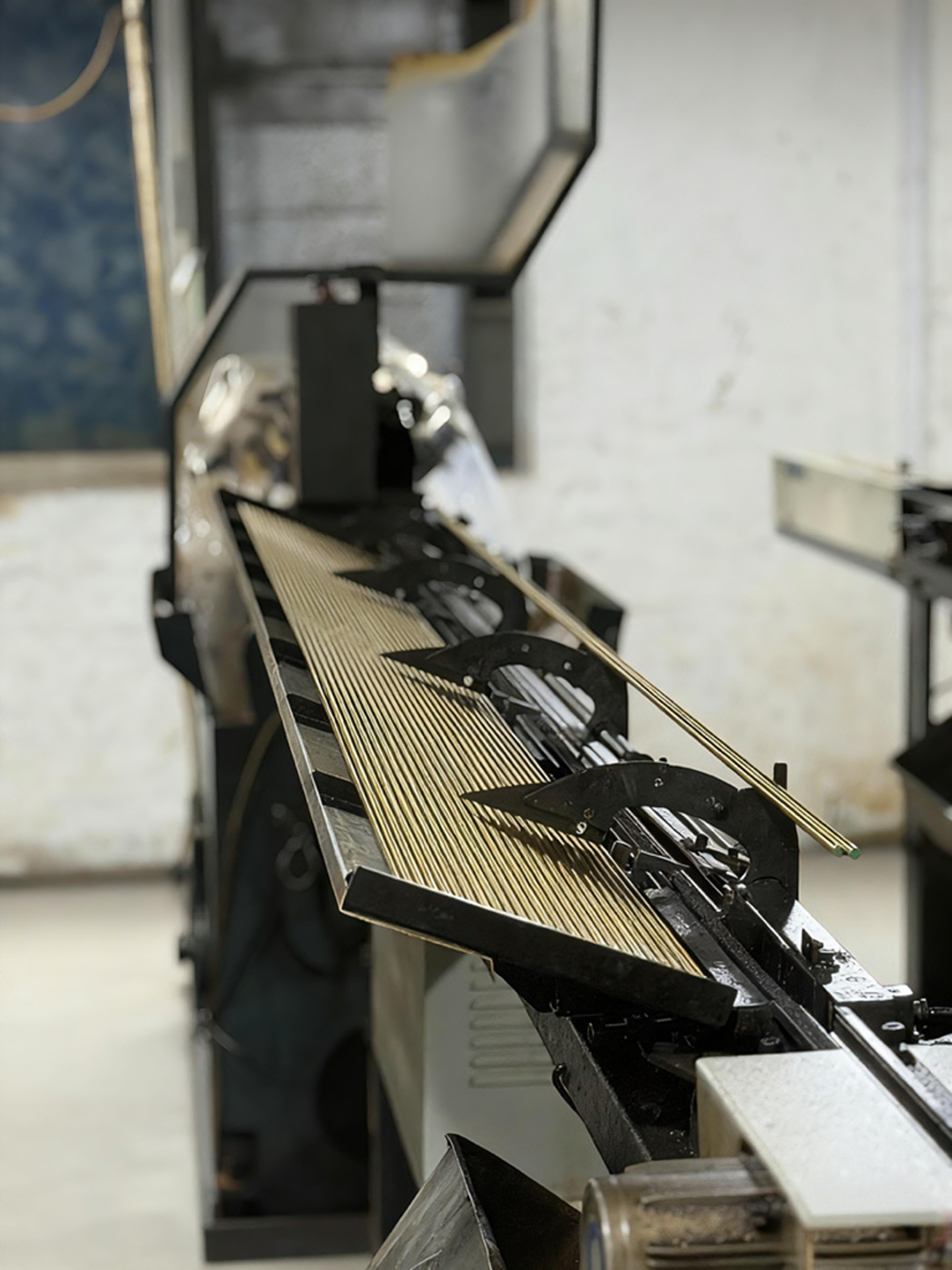
01 / FOCUSRepeat quantity
Use quantity and repeat demand to decide setup effort, tooling assumptions and production route.
/ Supporting Machining
Complete the component requirement
Supporting equipment completes features that cannot be finished in the main turning operation.
Create the rotational base geometry.
Add flats, holes, slots, pockets or tapped features where feasible.
Control final edges, surface state and coating-sensitive fits.
Release against the complete drawing state.
/ Tooling + Workholding
The setup decides repeatability
The right equipment is incomplete without the right way to locate, hold and support the part.
Production focus01 / FOCUSLocate the datum
Confirm which feature locates the operation so machining and inspection use the same reference.
/ Inspection Equipment
Inspection must match the critical feature
Inspection should focus on the dimensions and relationships that control function.
Confirm setup before batch production.
Monitor dimensions affected by tool wear or setup drift.
Check the completed part against drawing requirement.
Reports or material documents can be defined with the inspection scope.
/ Production Capacity
Capacity depends on the actual part mix
Production planning changes with material, geometry, setup, inspection load and repeat demand.
Small shafts, fittings and housings create different machine demand.
Frequent changeovers reduce available production time.
More CTQs and reports reduce throughput.
Stable repeat parts allow more predictable scheduling.
/ Factory Views
Production images show working context
Factory images show working zones, tooling, part batches and inspection context.
Machine working areaShow the working area and setup context.
Bar-feed setupShow how repeat turned parts are supported in production.
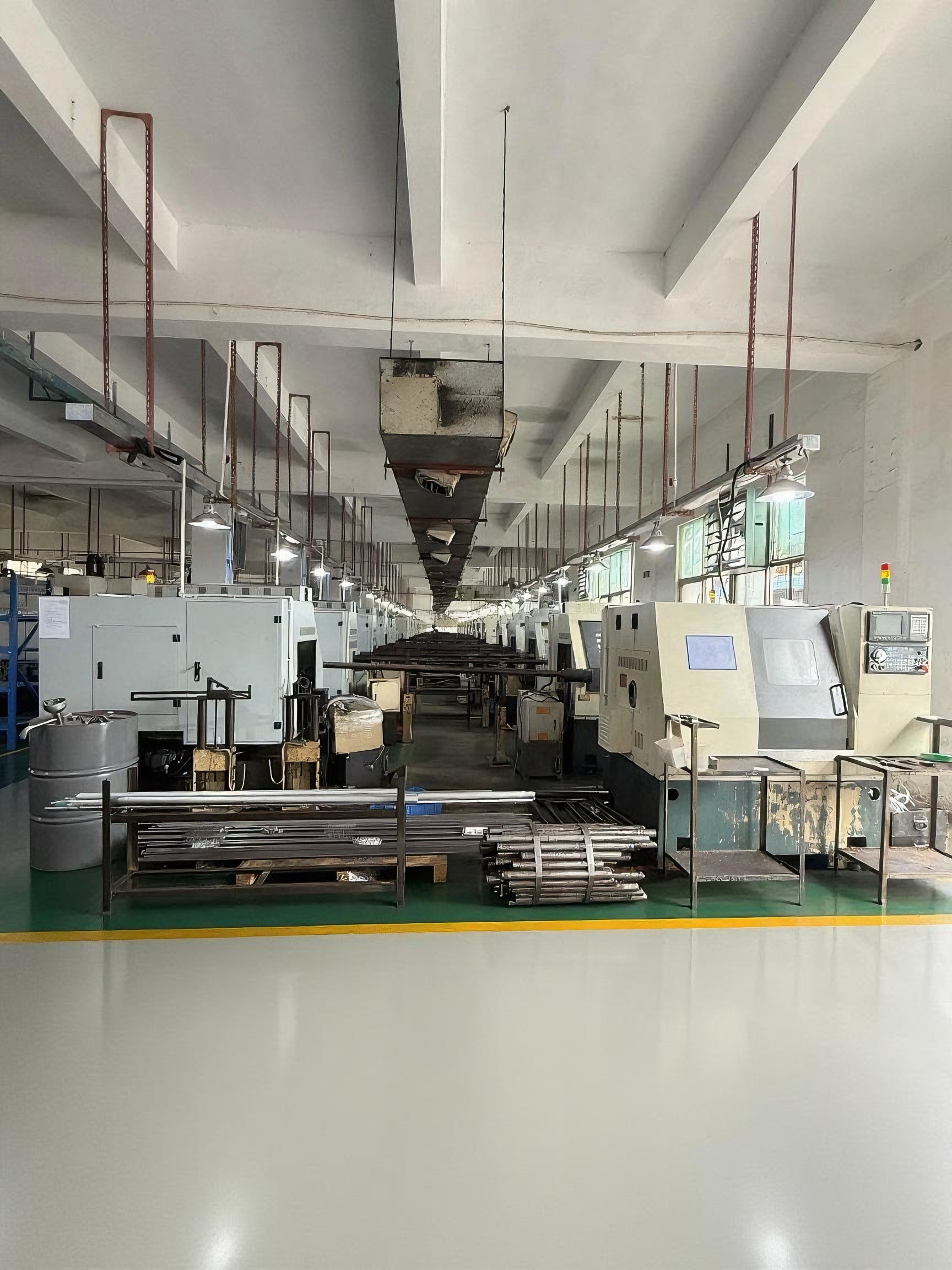
Production floorShow manufacturing environment without inventing machine counts.
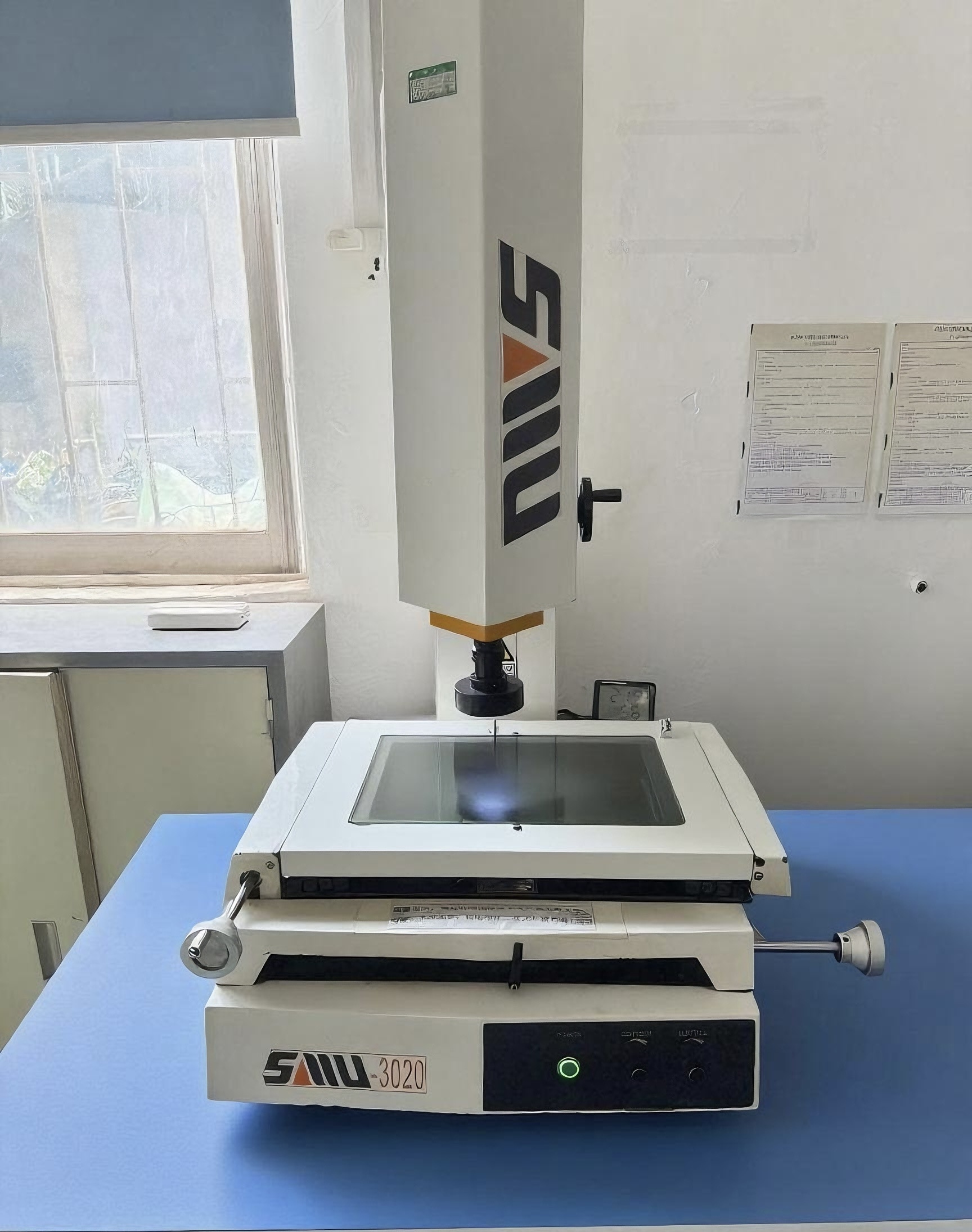
Inspection stationShow measurement context for critical features.
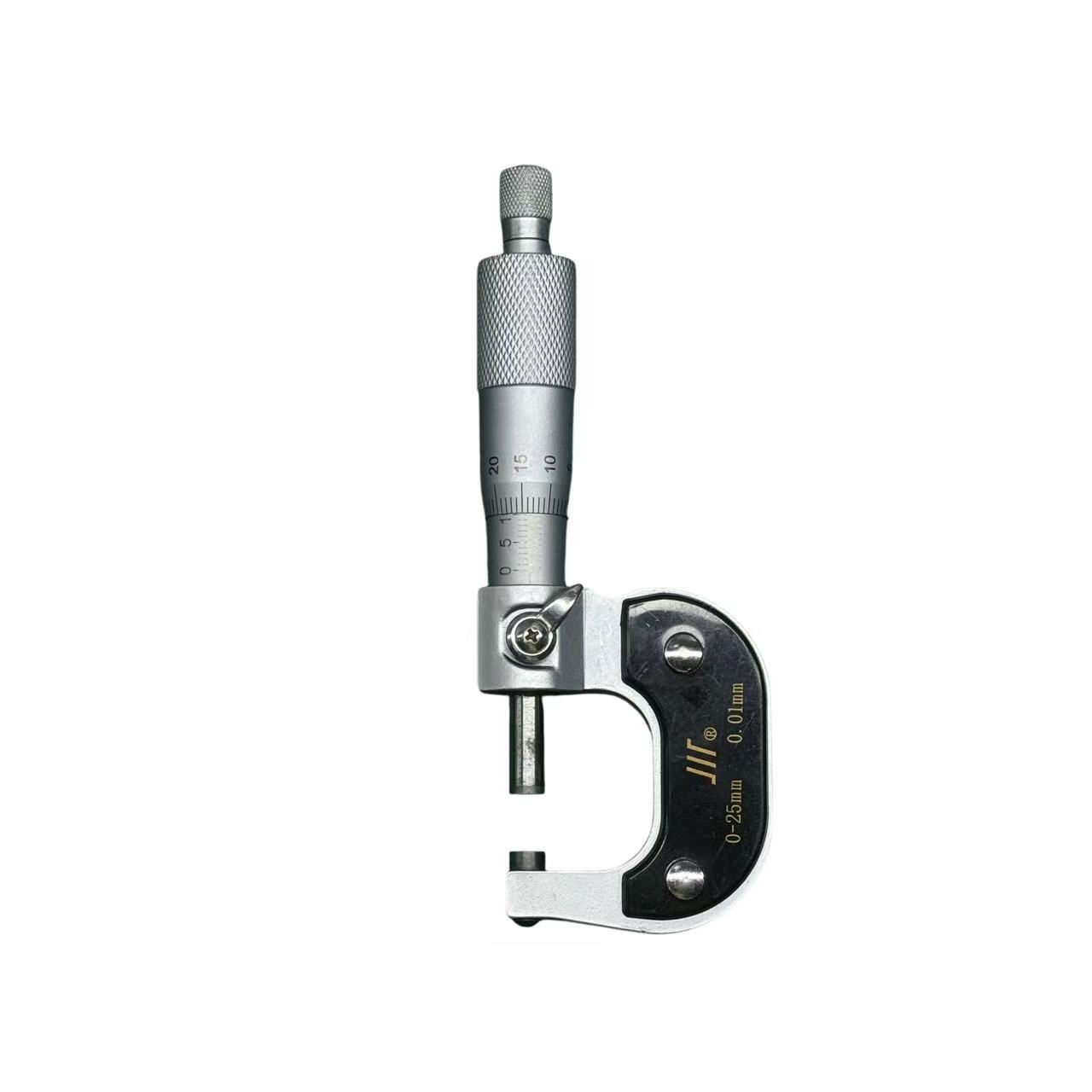
Measurement toolsShow inspection instruments used for dimensional review.
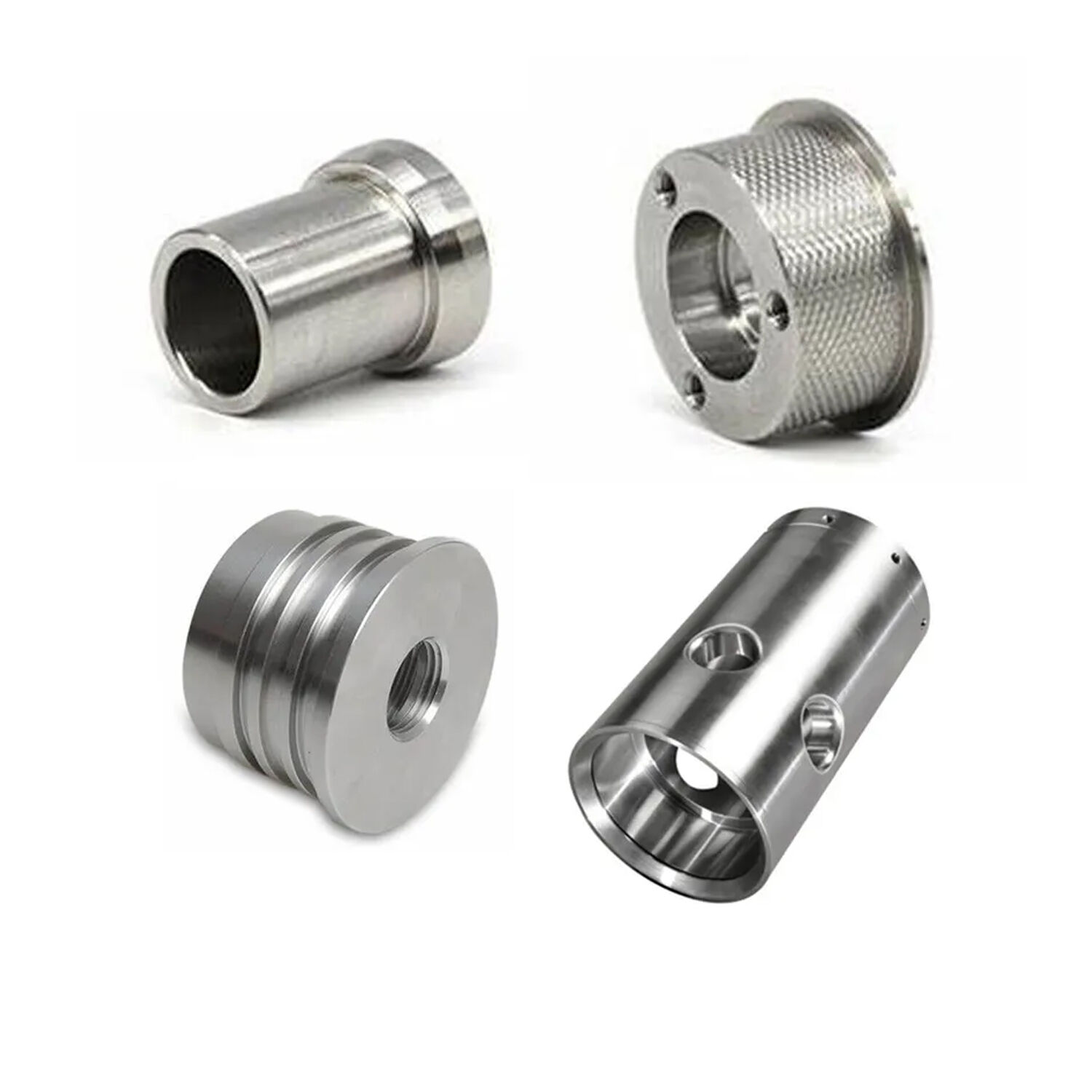
Sample turned partsShow actual part geometry and finish context for component review.
/ FACTORY INFORMATION
Equipment and quality information for project discussion
Factory information and part quotation are discussed through the drawing, material, quantity, inspection and delivery requirements.
Production focus01 / FOCUSEquipment list
Confirm this point against the drawing function, material, tolerance and production route.
No. Share the drawing, material, quantity, CTQs and finish requirement so the route can be confirmed.
No. The approx. Ø38 mm statement belongs to Swiss-type / bar-fed context where geometry fits.
Yes, route-family and qualification information can be discussed for customer review.
By reviewing drawing geometry, material, tolerance, finish, secondary features, quantity and inspection requirements.