Visible Metal Hardware
Knobs, collars, rims, sleeves and exposed metal details where machining quality, edge condition and surface finish influence the look and feel of the finished product.
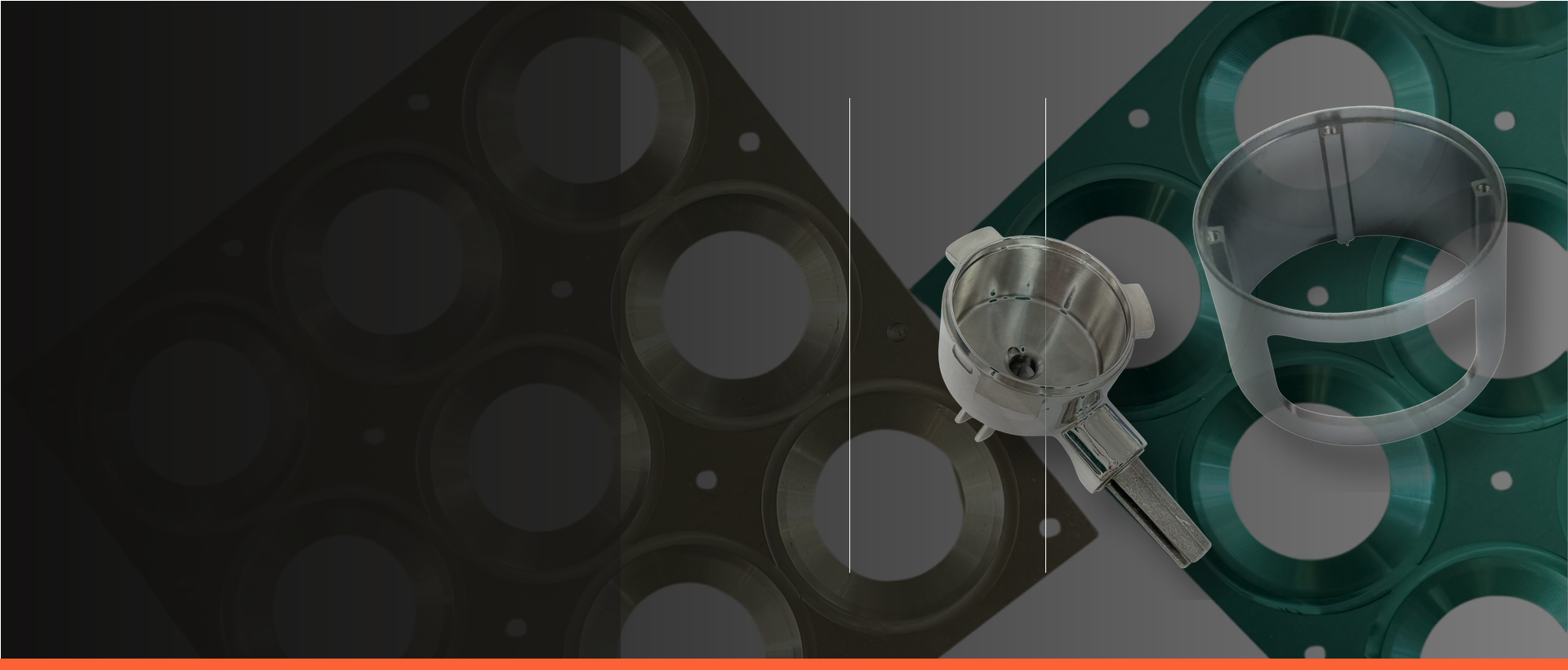
/ CONSUMER PRODUCT METAL COMPONENTS
Small metal components can influence how a product looks, feels, moves and assembles. FREEFLY CNC manufactures turned and machined parts where dimensional fit, surface condition and repeat consistency need to work together.
/ COMPONENT TYPES
In consumer products, a small machined component may be both functional and visible. Threads, mating diameters, movement surfaces and cosmetic areas therefore need to remain consistent as the part moves from initial samples into repeat production.
Discuss a Consumer Product Part →Knobs, collars, rims, sleeves and exposed metal details where machining quality, edge condition and surface finish influence the look and feel of the finished product.
Threaded inserts, bores, shoulders, press-fit diameters and mating faces that connect metal components with plastic, rubber or other metal parts.
Shafts, pins, spacers and guide features where diameter control, concentricity and burr-free contact surfaces influence movement and assembly.
Small metal parts manufactured across launch and repeat orders where approved fit, surface condition and functional geometry need to remain consistent from batch to batch.
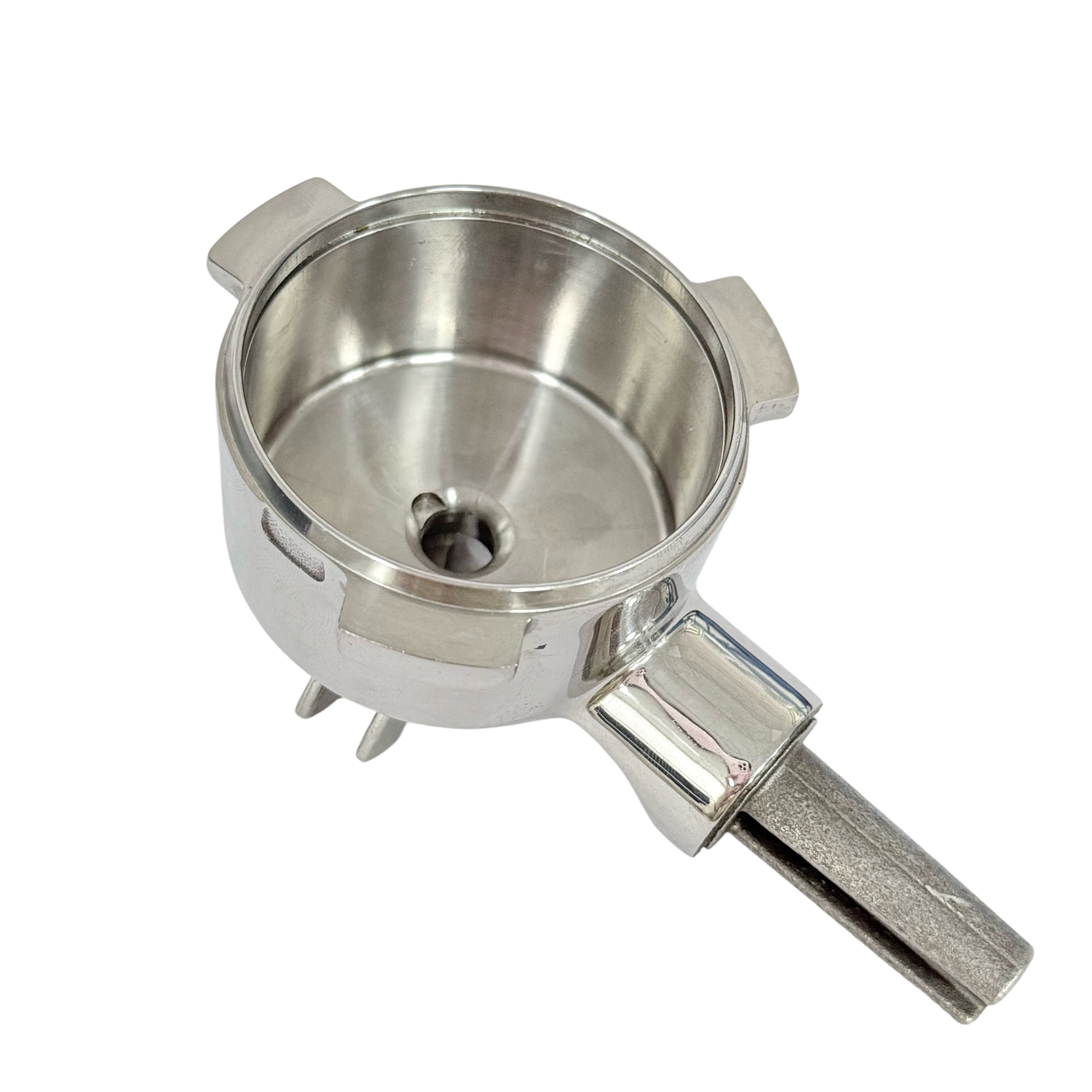
/ COMPONENT FEATURES
A single consumer-product component may combine visible surfaces, threaded interfaces, precision fits and structural machined features. Each area places a different demand on machining, finishing and inspection.
/ FUNCTION & MANUFACTURING
Movement, fastening, locating, sealing and visible interfaces determine which features require the closest control.
More consistent fit, movement and assembly behavior.
Material grade and surface treatment influence cutting behavior, surface condition, dimensional change and handling requirements.
Better alignment between functional performance and final appearance.
Prototype, launch and repeat production place different demands on setup stability and inspection consistency.
A smoother transition from approved sample to repeat manufacturing.
/ APPLICATIONS
FREEFLY CNC supports turned and machined components used in consumer-facing products where compact geometry, reliable assembly and controlled surfaces are important.
Connectors, sleeves, threaded inserts, shafts and small precision hardware used around enclosures, controls and compact assemblies.
Visible and internal metal components used in connected devices where alignment, fit, surface finish and repeated assembly matter.
Knobs, collars, bushings, shafts, spacers and fastening interfaces that influence touch, movement, alignment and durability.
Functional and visible metal hardware used in consumer-facing products where mechanical performance and surface appearance are both important.
/ PART FAMILIES
FREEFLY CNC's consumer-product work is concentrated on small turned and machined parts with functional interfaces, controlled geometry and repeat-production requirements.
/ Connectors & Threaded Interfaces
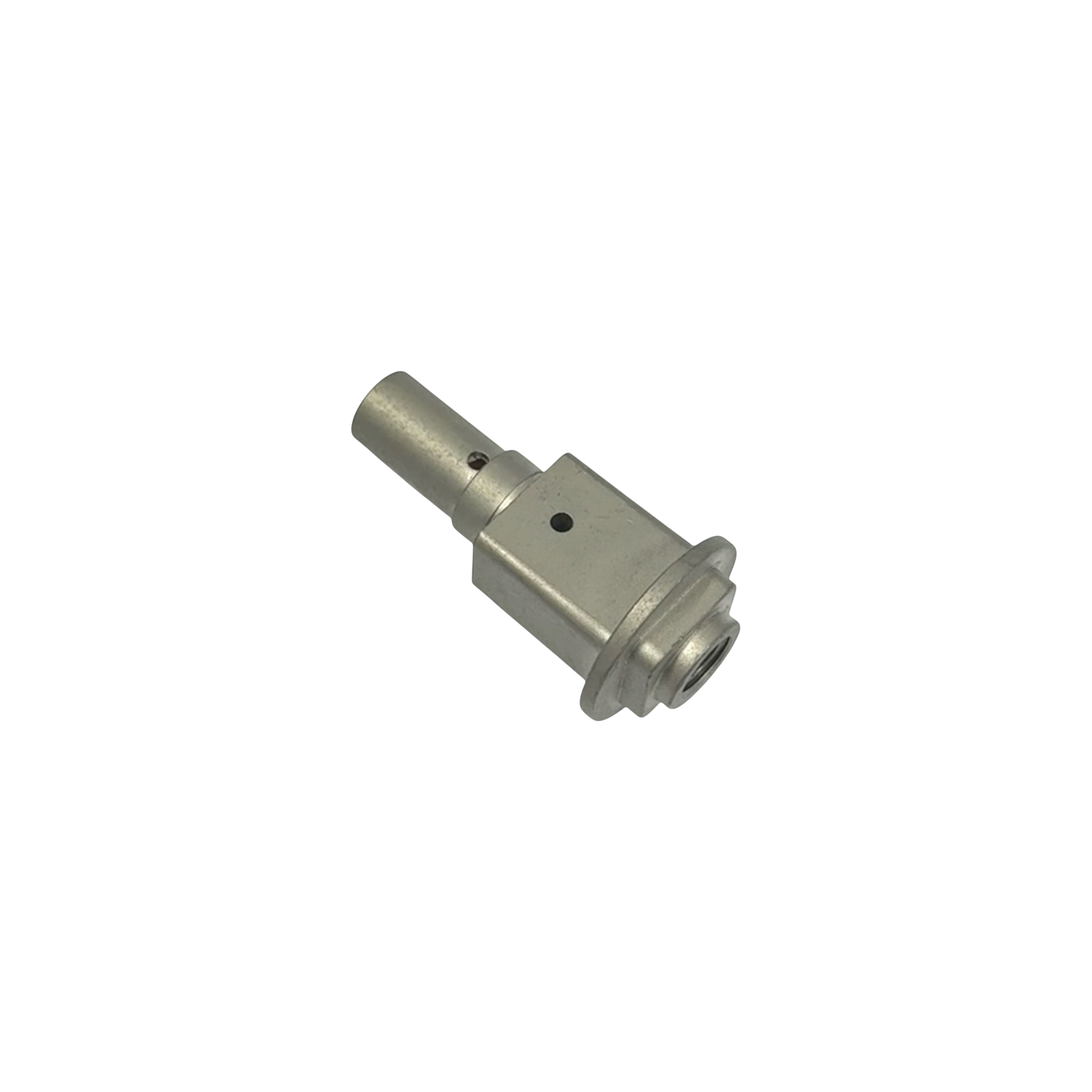
Connectors, fittings, threaded inserts and fastening components often combine internal or external threads with bores, shoulders, relief features and mating faces.
/ Shafts, Pins & Motion Components
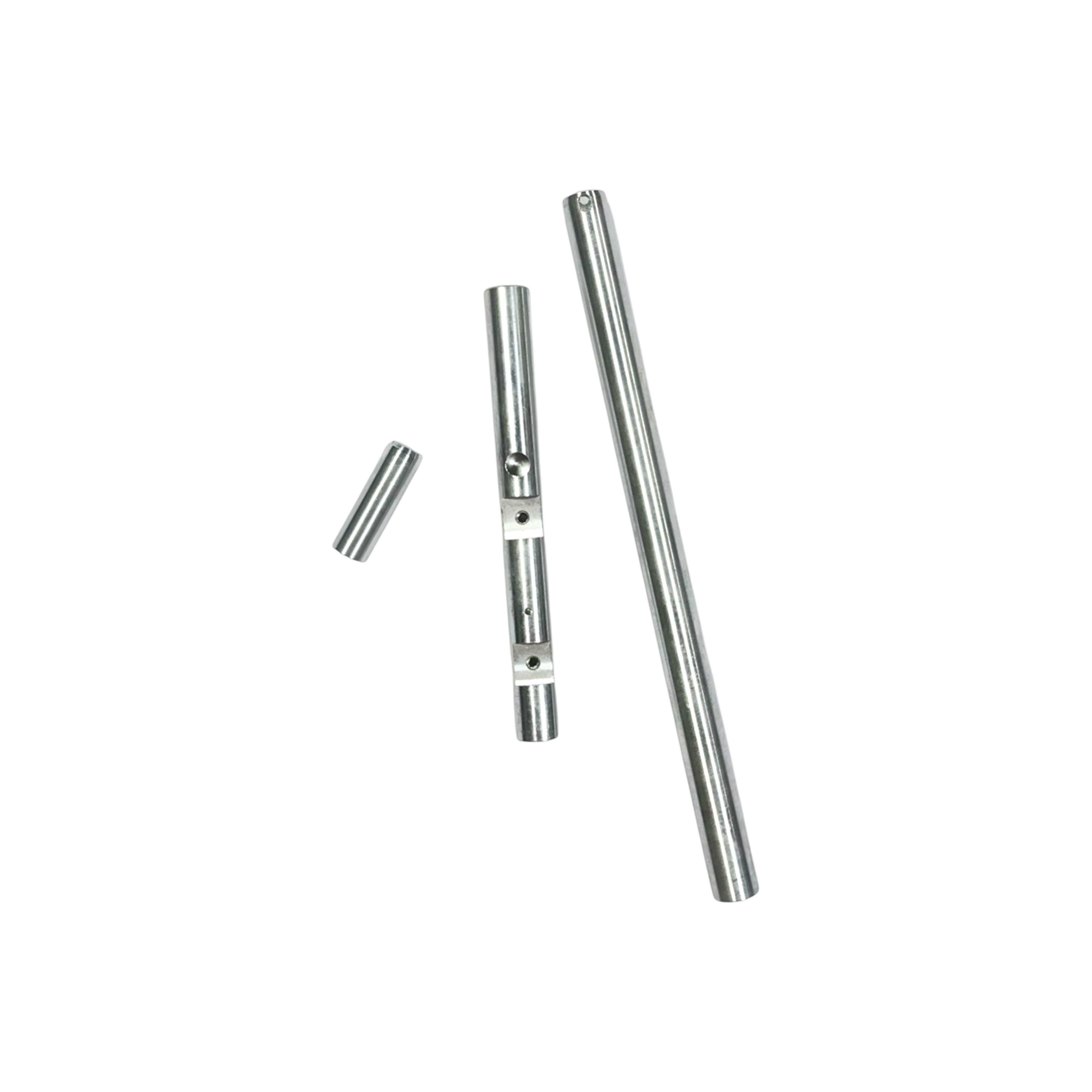
Shafts, pins, spacers and guide components rely on stable diameter, length and feature relationships where small dimensional changes can influence movement or assembly feel.
/ Visible Hardware & Machined Bodies
Knobs, collars, sleeves and exposed metal bodies often combine visible surfaces with threads, bores, pockets and mounting features.
/ Manufacturing Route
Consumer-product components often combine functional dimensions with appearance-sensitive surfaces. Machining, secondary operations, finishing and inspection therefore work together as parts move from first article into repeat production.
Turning establishes the main diameters, bores, shoulders, grooves and threaded geometry of the component.
Cross holes, flats, slots, tapping and selected milled details are added where the finished geometry requires more than turning alone.
Critical dimensions, mating features, threads and functional relationships are checked on initial parts before repeat production begins.
Selected finishing processes can be coordinated where required, with attention to visible surfaces, masking, coating buildup and part handling.
Approved geometry, inspection points and finished-part requirements become the reference for subsequent production batches.
/ PRODUCTION CONTROL
Consumer-facing components need dimensional performance and surface condition to remain consistent at the same time. Production control therefore extends beyond basic OD and length measurements.
Discuss a Consumer Product Part →Visible faces, edges and finished surfaces are handled with attention to machining marks, edge condition and surface treatment.
Helps maintain a consistent appearance on customer-facing parts.
Threads, bores, shoulders, press fits and mating diameters receive inspection attention according to their functional role.
Supports reliable fit and assembly between components.
Approved dimensions and inspection points are carried from first article into subsequent production batches.
Helps reduce variation between sample, launch and repeat orders.
Finishing, masking and part protection are considered alongside dimensional requirements.
Reduces the risk of coating buildup, cosmetic damage or handling marks affecting the finished part.
FREEFLY CNC focuses on small turned and machined components such as connectors, shafts, pins, sleeves, bushings, collars, threaded inserts, fittings and visible metal hardware.
Yes, where the component and finish requirements fit our manufacturing capabilities. Visible surfaces can be considered separately from hidden functional areas so machining, finishing and handling can be coordinated around the final appearance.
CNC turning is well suited to components built around rotational geometry such as shafts, sleeves, collars, threaded bodies, connectors and bushings. Parts with additional flats, holes, slots or milled features can also include secondary machining where required.
Yes. Cross holes, flats, slots, tapping and selected milled features can be added after or alongside the primary turning process when the finished component requires them.
Yes. Prototype and first-article parts can be used to verify geometry, fit and functional features before a suitable process moves into repeat production. FREEFLY CNC's production model is particularly suited to projects that develop into ongoing batch demand.