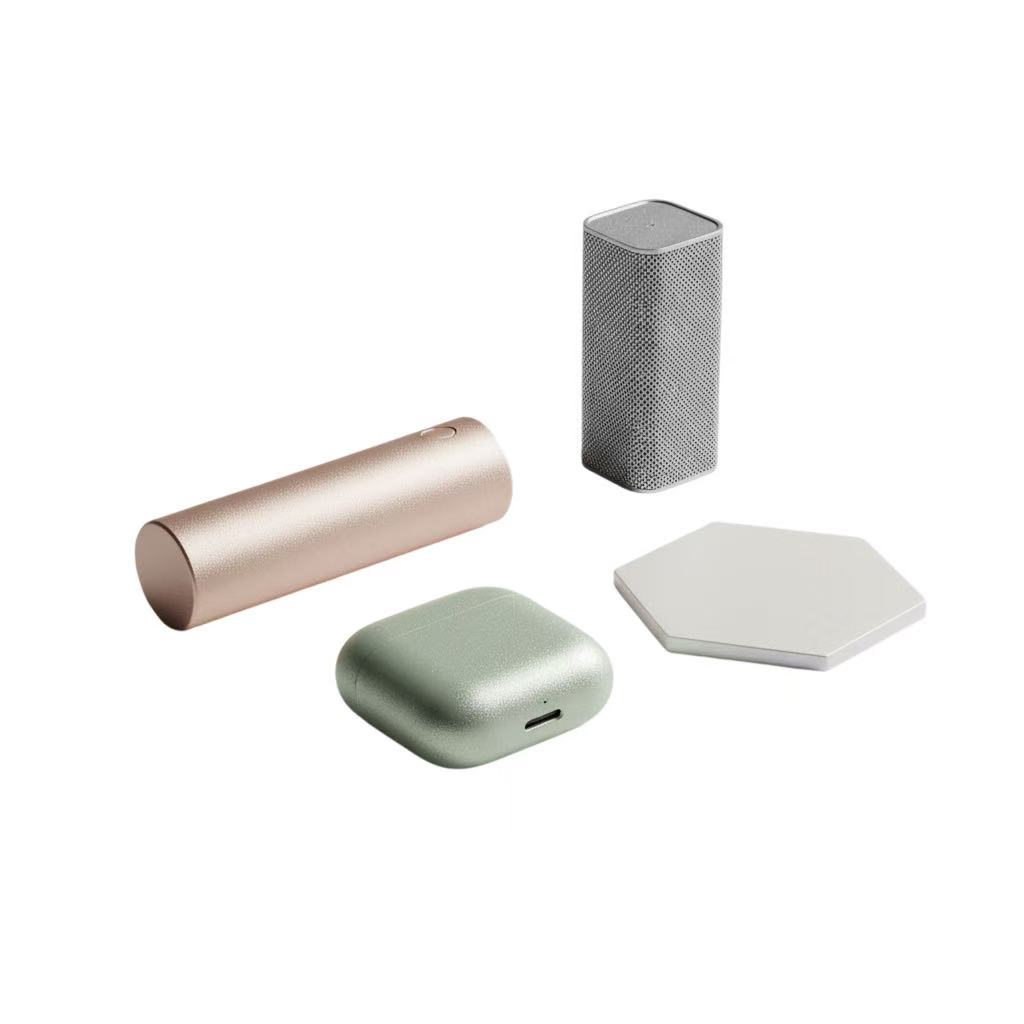
/ Surface finishing & post-processing

Surface Finishing for CNC Turned Metal Parts

Surface finishing changes more than appearance. Coating thickness, material removal, texture and heat-treatment effects can influence threads, mating diameters, precision bores and visible surfaces.

FREEFLY CNC coordinates machining and downstream finishing so the finished component is considered as one complete manufacturing result.

Manufacturing RoleCNC machining with coordinated finishing
Functional FocusFits, threads, bores and sealing surfaces
Cosmetic FocusVisible surfaces, texture, color and handling
Production FocusFinished-part consistency across repeat batches

/ Finish options

Different Finishing Processes Change the Part in Different Ways

Mechanical finishing, coatings, polishing and related post-processing can change surface texture, dimensions, edge condition, hardness and final appearance. The appropriate finish depends on the material, component geometry and the function of the finished surface.

Bead blasting surface finishing sample

/ Mechanical finishing

Deburring, Brushing, Blasting & Edge Finishing

Typical ApplicationsSteel, stainless steel, brass, aluminum and other suitable machined metals.
Manufacturing EffectCan change edge sharpness, surface texture and the appearance of underlying tool marks.
Functional ConsiderationPrecision edges, small features and mating surfaces may require different treatment from general exterior surfaces.
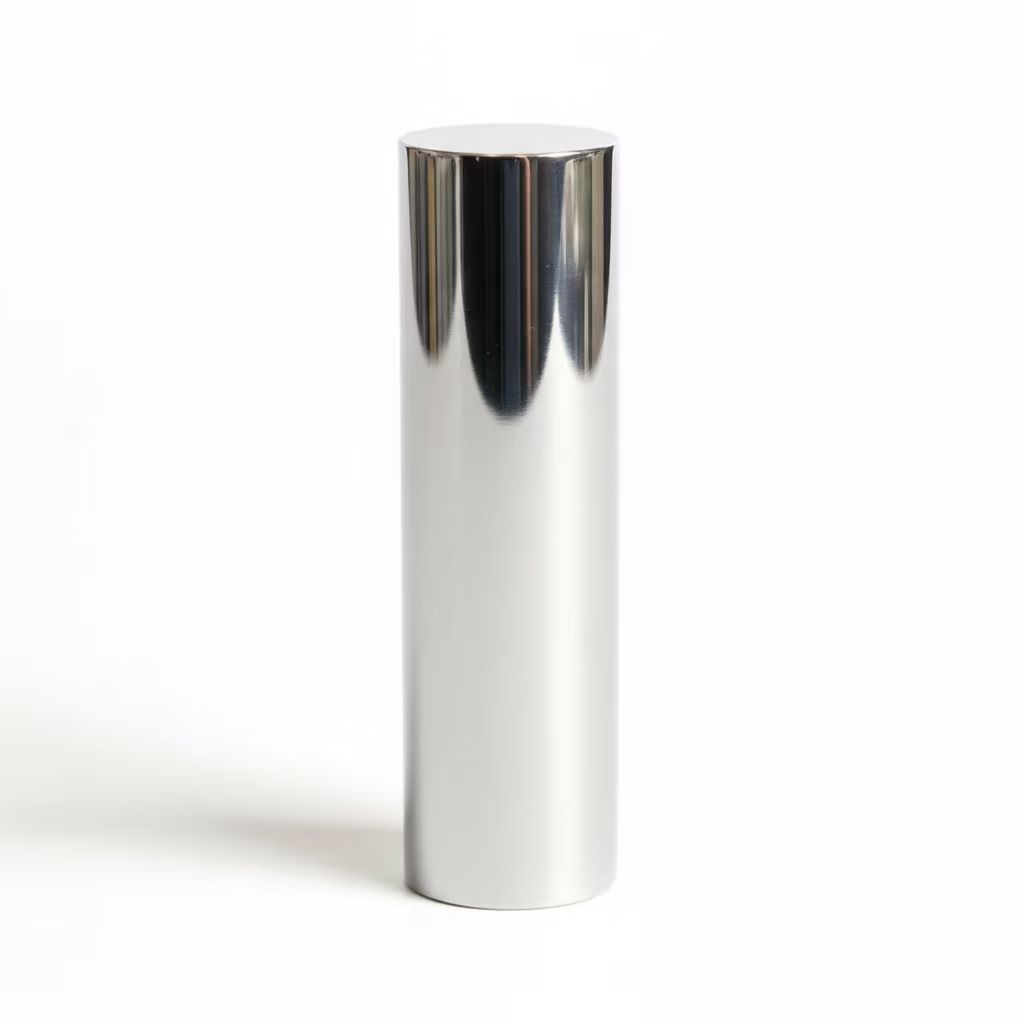
Polished surface finishing sample

/ Polishing & smoothing

Smoother Surfaces and Controlled Appearance

Typical ApplicationsVisible hardware, collars, sleeves, knobs and other consumer-facing metal surfaces.
Manufacturing EffectRemoves a small amount of material and can soften sharp edges or expose remaining machining marks.
Functional ConsiderationCosmetic polishing needs to remain separated from bores, fits and other dimension-critical features where material removal could affect function.
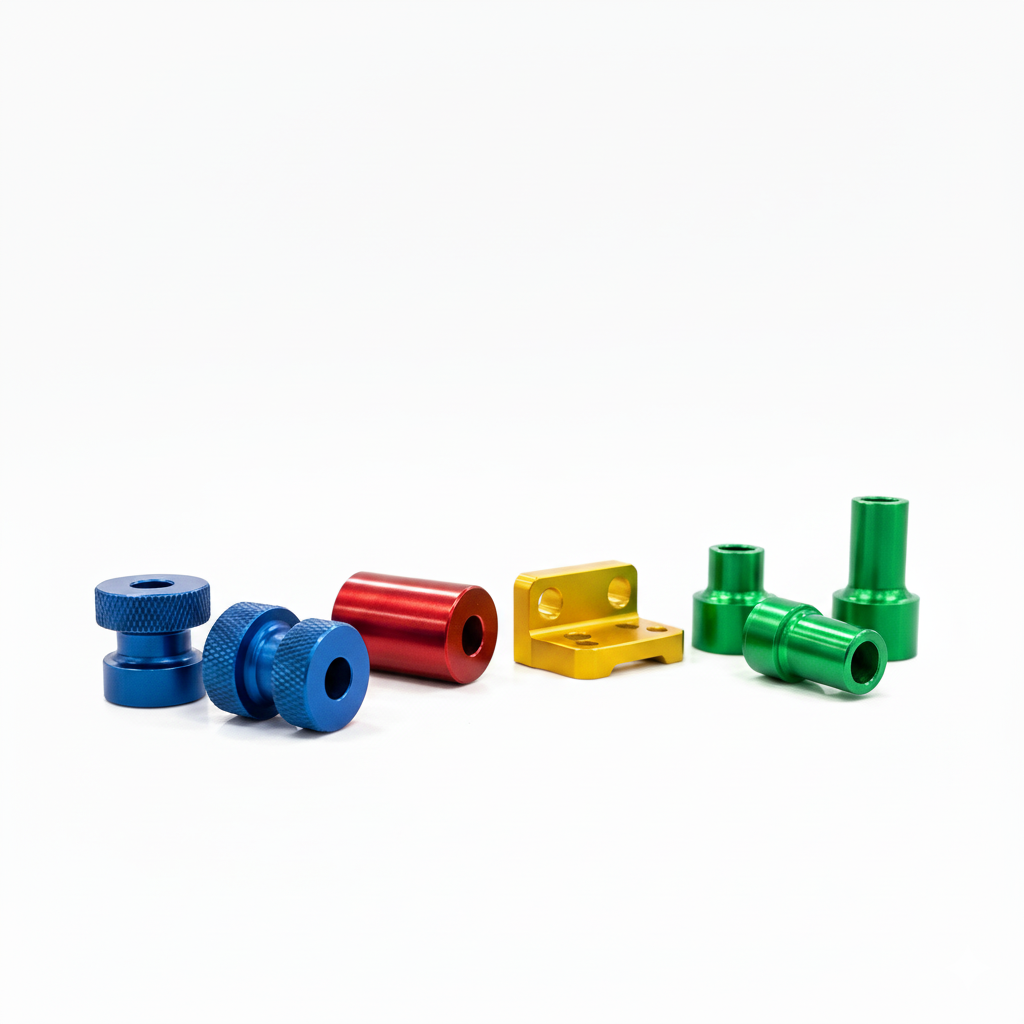
Anodizing finish sample

/ Oxidation & conversion coatings

Surface Protection and Appearance for Suitable Metals

Typical ApplicationsAluminum components, steel hardware and other suitable metal parts.
Manufacturing EffectCan change surface dimensions, appearance and texture, particularly around threads, bores and closely fitted surfaces.
Functional ConsiderationPrecision features may require masking or post-finish verification where coating buildup affects fit.
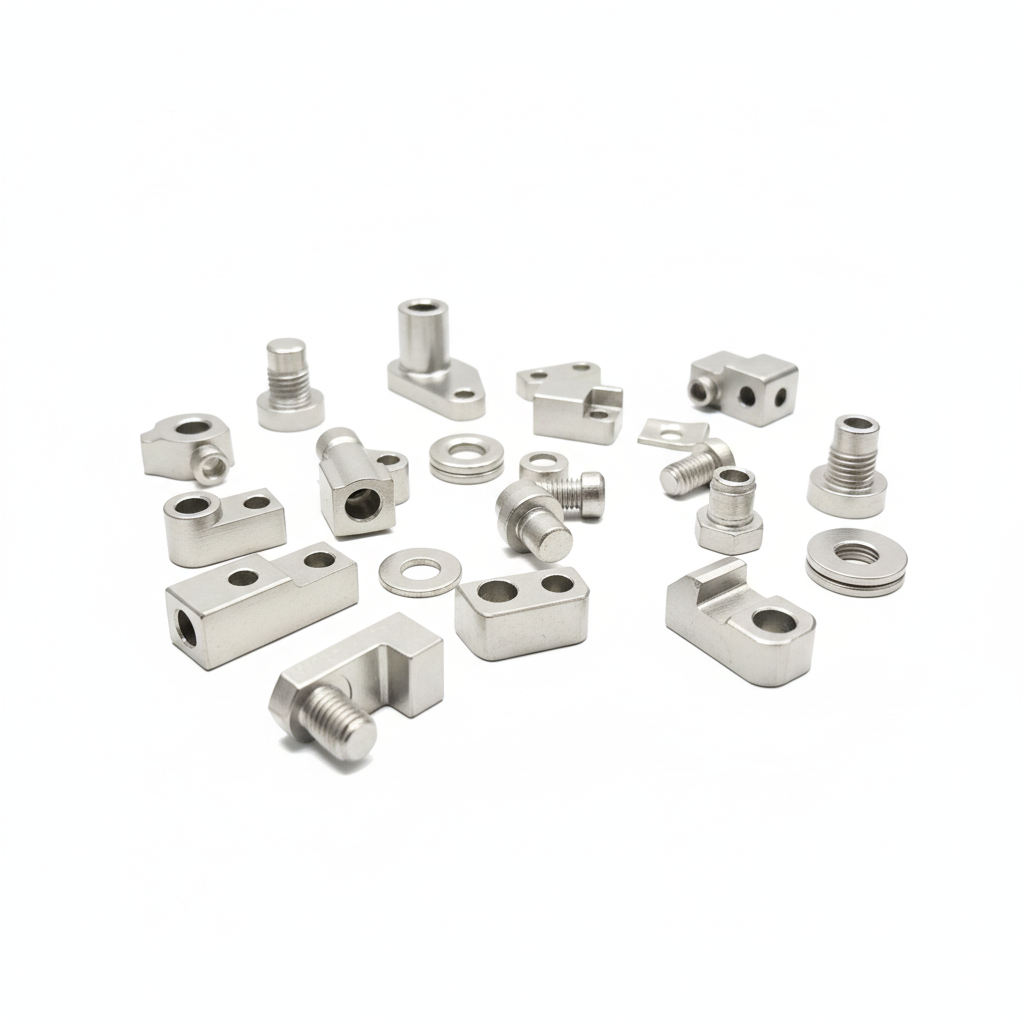
Nickel plating finish sample

/ Plating & functional coatings

Added Surface Protection and Functional Performance

Typical ApplicationsSteel parts, brass components, connectors, threaded bodies and functional hardware.
Manufacturing EffectApplied layers increase surface thickness and can influence thread fit, bore size and mating diameters.
Functional ConsiderationCoating thickness and post-finish inspection become especially important on threads, contact faces and precision interfaces.
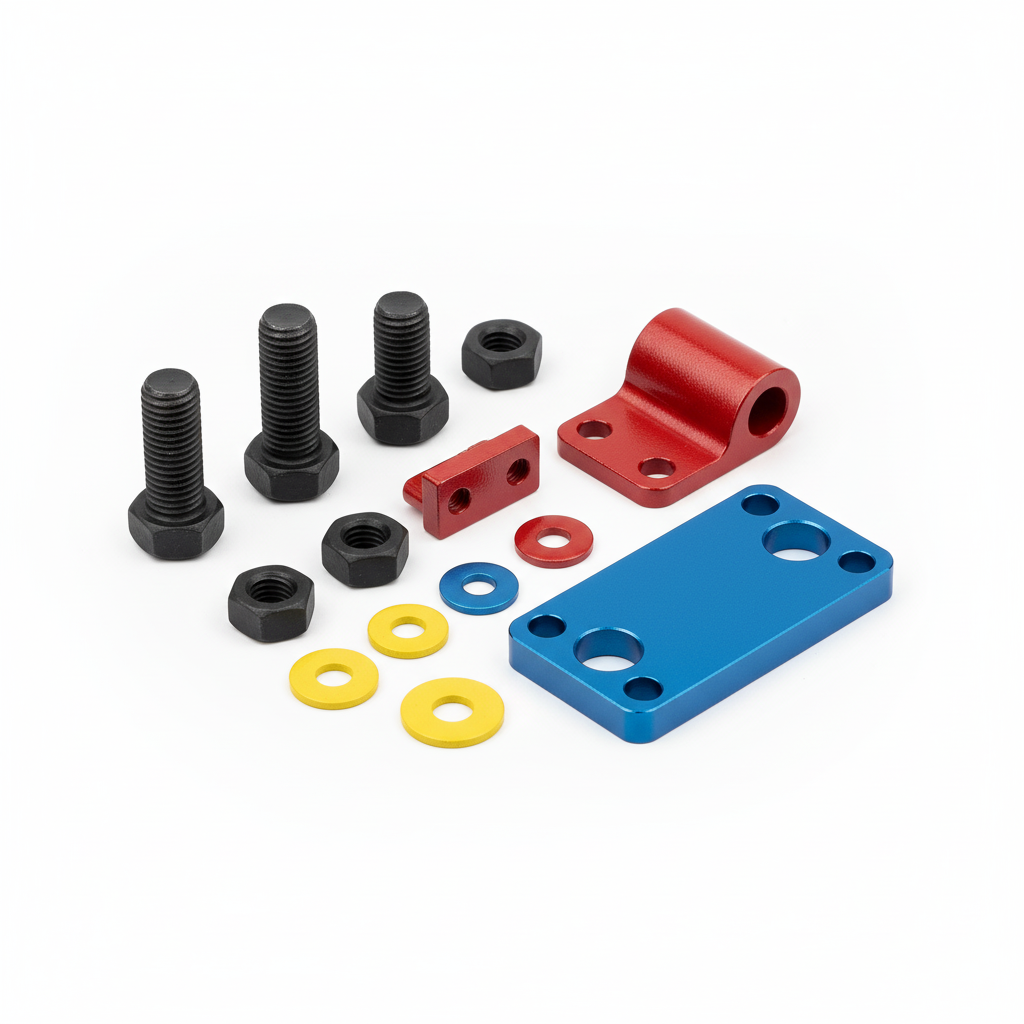
Powder coating finish sample

/ Painting & powder coating

Color and Protective Exterior Surfaces

Typical ApplicationsHousings, sleeves, covers and visible components where a thicker protective surface is acceptable.
Manufacturing EffectCoating thickness is generally greater than plating or conversion coatings and can significantly affect small features and mating areas.
Functional ConsiderationThreads, bores and precision interfaces often need to remain free of coating buildup.
Heat treatment process image

/ Related post-processing

Heat Treatment & Material Condition

Typical ApplicationsSteel components where hardness, wear resistance or material condition forms part of the functional requirement.
Manufacturing EffectCan change hardness, residual stress and dimensional stability.
Functional ConsiderationHeat-treatment sequence may determine whether final machining, grinding or dimensional verification is required afterward.

/ Material & finish

Finish Selection Starts With the Base Material

The same finishing process can behave very differently on aluminum, stainless steel, carbon steel, alloy steel or brass. Material composition and condition influence appearance, coating behavior and dimensional response.

Material
Common Finish Directions
Manufacturing Considerations
Aluminum
Anodizing / conversion coating / painting / blasting
Anodizing and coating can affect dimensions, color consistency and thin-wall geometry.
Stainless Steel
Polishing / passivation / blasting / selected plating
Surface roughness, remaining tool marks and edge condition directly influence the final appearance.
Carbon Steel
Zinc plating / black oxide / painting / protective coating
Corrosion protection often needs to be balanced with coating buildup on threads and mating features.
Alloy Steel
Black oxide / plating / heat-treatment-related processes
Hardness, distortion and post-treatment dimensional stability can influence final machining strategy.
Brass
Polishing / nickel plating / selected coatings
Threads, contact surfaces, burrs and cosmetic consistency can all be affected by the finishing route.

/ Dimensional control

Finishing Is Not Dimensionally Neutral

A machined component can change after finishing. Plating adds material. Polishing removes material. Blasting changes texture. Heat treatment can move geometry. Paint and powder coating add relatively thick surface layers.

For precision turned parts, these effects are especially important around threads, precision bores, mating diameters, press fits, sealing surfaces, thin walls and contact faces.

Machining allowances and inspection strategy can therefore depend on the final finished condition of the component.

Dimensional check for a machined part after finishing

/ Finish control

Managing the Effects of Finishing on the Finished Part

Coating BuildupApplied finishes can change OD, ID and thread dimensions. Precision mating areas may need masking, machining allowance or post-finish verification.
Thread FitPlated or coated threads can become tighter after finishing. Thread condition can therefore be checked in the final finished state where required.
Color & Appearance VariationAnodizing, painting and other cosmetic finishes can vary with alloy condition, surface preparation and processing batch.
Cosmetic SurfacesVisible areas may require different machining, polishing and handling controls from hidden or purely functional surfaces.
Packing ProtectionFinished parts with polished, anodized, painted or plated surfaces may require separation or protective packaging to reduce part-to-part contact damage.

/ Part-specific finishing

Finishing Requirements Follow the Functional Feature

The effect of a finish depends on where it appears on the component. Threads, bores, fit diameters, sealing areas and visible faces can all require different treatment within the same part.

/ Connectors & fittings

Threads, Contact Faces and Corrosion Protection

Plated or coated connectors often combine corrosion protection with threaded, sealing or electrical-contact surfaces. Finish thickness and masking can directly affect mating performance.

/ Shafts & pins

Wear Surfaces, Diameters and Hardness

Shafts and pins may combine polished, hardened or coated surfaces with tightly controlled outside diameters. Final dimensions can depend on whether finishing occurs before or after the last machining operation.

/ Bushings & sleeves

Bore Size, Roundness and Coating Buildup

Bushings and sleeves are particularly sensitive where applied finishes change internal diameter or where thin-wall geometry responds to heat or processing.

/ Threaded components

Thread Fit After Finishing

Internal and external threads can be affected by plating, coating or oxidation. Final thread condition is most meaningful after the finishing process is complete.

/ Consumer metal components

Surface Appearance and Handling

Visible hardware often combines functional geometry with appearance-sensitive surfaces. Surface texture, color, gloss and handling condition contribute directly to the finished product.

/ Flow-related components

Sealing Surfaces and Internal Cleanliness

Nozzles, fittings and valve-related components may contain internal passages, sealing areas and precision surfaces where uncontrolled buildup or debris can affect function.

/ Cosmetic surfaces

Visible and Functional Surfaces Are Controlled Differently

Consumer-facing metal parts often contain several surface priorities within one component. This separation helps machining, finishing, inspection and handling remain aligned with the role of each surface.

A-SurfacePrimary visible areas where scratches, tool marks, color, gloss or texture directly affect product appearance.
Secondary Visible SurfaceAreas that may still be seen but carry a lower cosmetic priority than the main exterior surface.
Functional SurfaceThreads, bores, fits, sealing faces and contact surfaces controlled primarily for dimensional or assembly performance.
Non-Cosmetic SurfaceHidden areas where functional manufacturing requirements take priority over visual appearance.
Polished surface showing cosmetic finish

/ Finishing workflow

From Machined Part to Finished Component

Surface finishing works best when it is integrated with the machining route rather than treated as an isolated final step.

01

Machining

Primary dimensions, threads, bores and functional geometry are produced with the final finished condition in mind.

02

Pre-Finish Inspection

Burrs, precision surfaces and critical machined features are checked before downstream treatment.

03

Finishing Coordination

Selected finishing operations are coordinated according to the material and finished-part requirement.

04

Post-Finish Inspection

Dimensions, threads, cosmetic condition and functional surfaces are checked in the finished state where required.

05

Packing Protection

Finished components are protected from scratching, impact and part-to-part contact according to their surface condition.

06

Repeat Production

Approved finish, inspection and handling requirements are carried into subsequent production batches.

/ Finish effects

How Different Finishes Affect Production

A finish specification influences more than appearance. It can determine masking, machining allowance, post-finish inspection and handling requirements.

Finish Scenario
Manufacturing Effect
Production Control
Black Anodized Aluminum
Anodizing changes the finished surface and can affect precision dimensions, threads and cosmetic consistency.
Precision areas can be protected where required, with finished dimensions and appearance checked after treatment.
Polished Stainless Steel
Polishing removes material and can soften edges while changing reflection and surface texture.
Cosmetic surfaces are separated from dimension-critical bores, fits and functional edges.
Zinc-Plated Threaded Steel
Plating buildup can reduce thread clearance and change mating behavior.
Thread fit and corrosion-protection requirements are considered in the finished condition.

/ Surface finishing FAQ

Questions About Surface Finishing for Machined Parts

Discuss Finish Requirements

Yes. Selected finishing processes can be coordinated as part of the manufacturing route where the material, component geometry and finish specification are suitable.

Yes. Plating, anodizing, polishing, painting and heat treatment can all change dimensions or geometry in different ways. Precision features may therefore need masking, allowance or final inspection after finishing.

Where the finishing process allows, masking or other process controls can be used to protect threads, bores, sealing faces and mating surfaces from unwanted buildup or material change.

Yes, where the required finish is compatible with the material and component geometry. Visible surfaces can be separated from functional areas so cosmetic and dimensional requirements are controlled differently.

Not necessarily. Selected finishing operations may be coordinated with qualified processing partners according to the project requirements.

/ Discuss a finished part

Coordinate Machining and Finishing as One Finished Component

For a new or repeat-production part, send the drawing or 3D model together with the material, finish type, target quantity and any cosmetic or masking requirements.