Material choice is a manufacturing decision
For CNC turned parts, material selection affects more than raw material cost. It influences machinability, tool wear, burr behavior, dimensional stability, surface finish, corrosion resistance, plating response and inspection confidence. A good material decision connects the part function with the production route and the final acceptance requirement.
FLYcncpart commonly discusses turned and machined components in steel, stainless steel, brass, aluminum and selected engineering materials. The exact grade and condition matter. A broad label such as steel or stainless steel does not provide enough information for a reliable manufacturing discussion.
Steel and alloy steel
Steel is often selected for strength, wear resistance and cost balance. The grade, hardness and heat-treatment condition can change cutting behavior and dimensional stability. If the part needs black oxide, plating, oiling or post-machining heat treatment, those requirements should be connected to the final dimensions and surface expectations.
Stainless steel
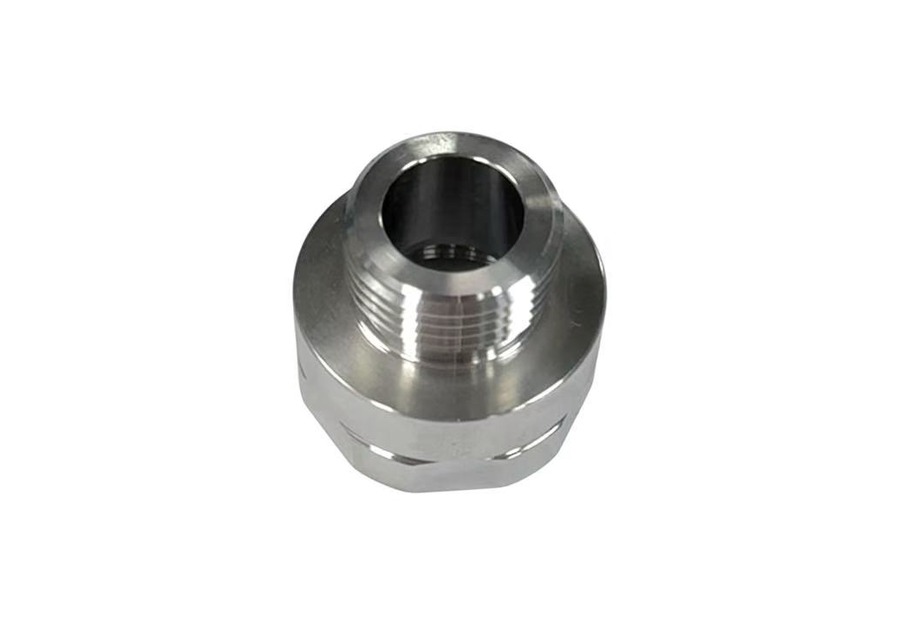
Stainless steel is selected when corrosion resistance, appearance or cleaning behavior matters. Different stainless grades have different machining characteristics. Work hardening, burr formation and thread quality should be considered, especially on small turned parts with internal features, fine threads or cosmetic surfaces.
Brass and copper alloys
Brass can be practical for small connectors, fittings, threaded parts and conductive components. The alloy should be specified clearly, especially when compliance, conductivity, plating, fluid contact or appearance matters. Thread form, bore cleanliness and burr expectations can affect assembly and performance.
Aluminum and selected engineering materials
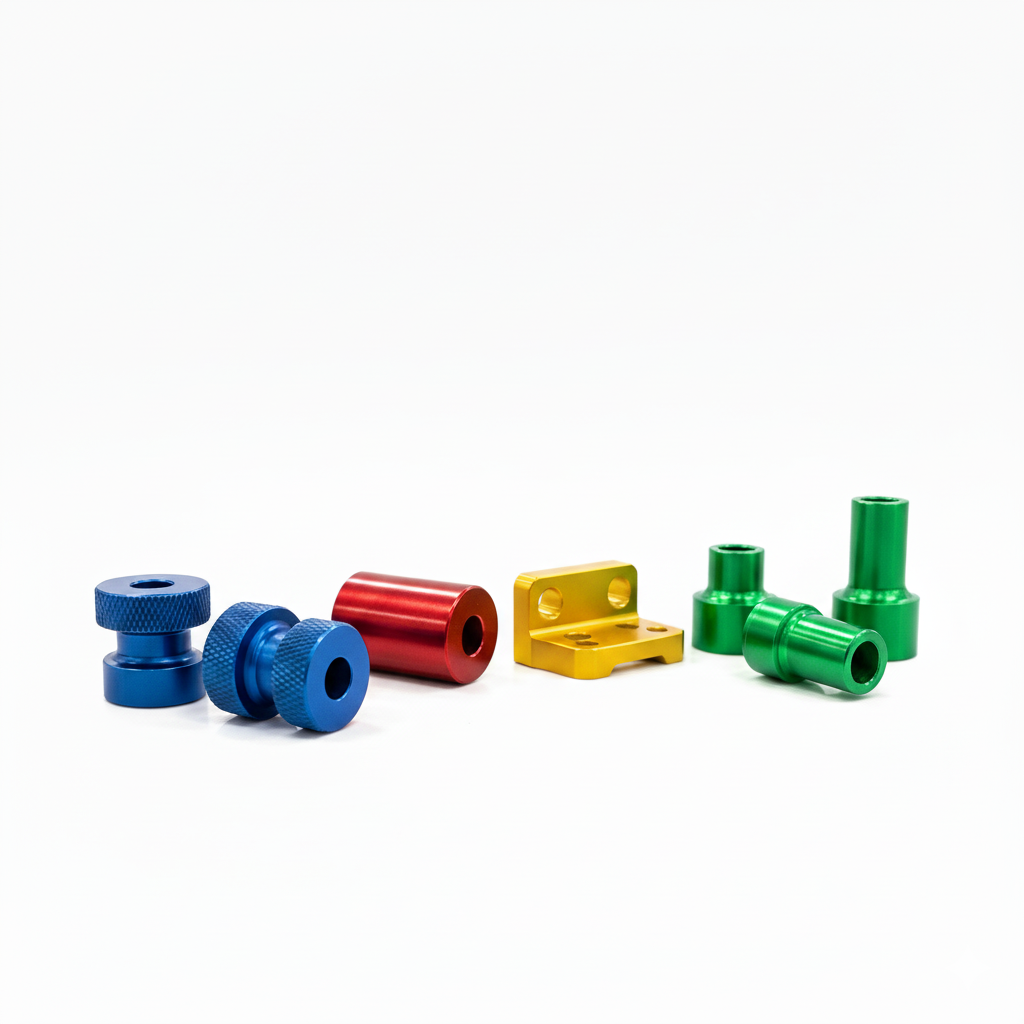
Aluminum is often selected for weight, corrosion behavior and appearance. Alloy and temper affect machinability, strength and anodizing response. Thin walls, deep bores, cosmetic faces and threaded features may need additional attention. Selected plastics or engineering materials should be discussed by exact polymer, filled condition, service temperature and dimensional stability rather than by a generic material name.
What buyers should define
Useful material information includes grade, standard, temper or hardness, stock form, acceptable substitutes, finish, certificate requirements and functional exposure. If the part touches fluid, carries load, conducts electricity, seals against another component or appears on the outside of a product, the material decision should reflect that use.
The strongest material choice is not always the hardest or most expensive option. It is the material that fits the part function, machining route, finish and repeat-production requirement.