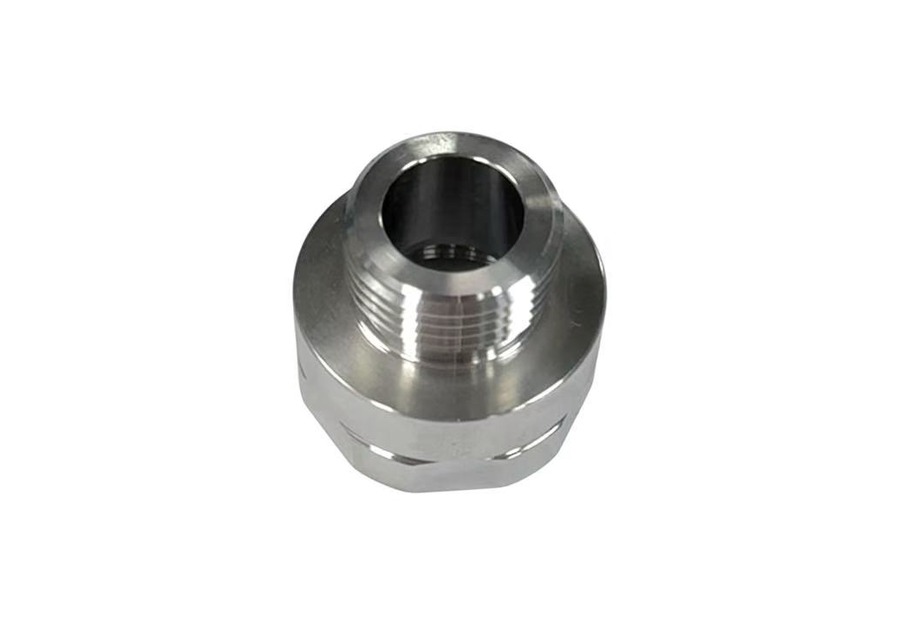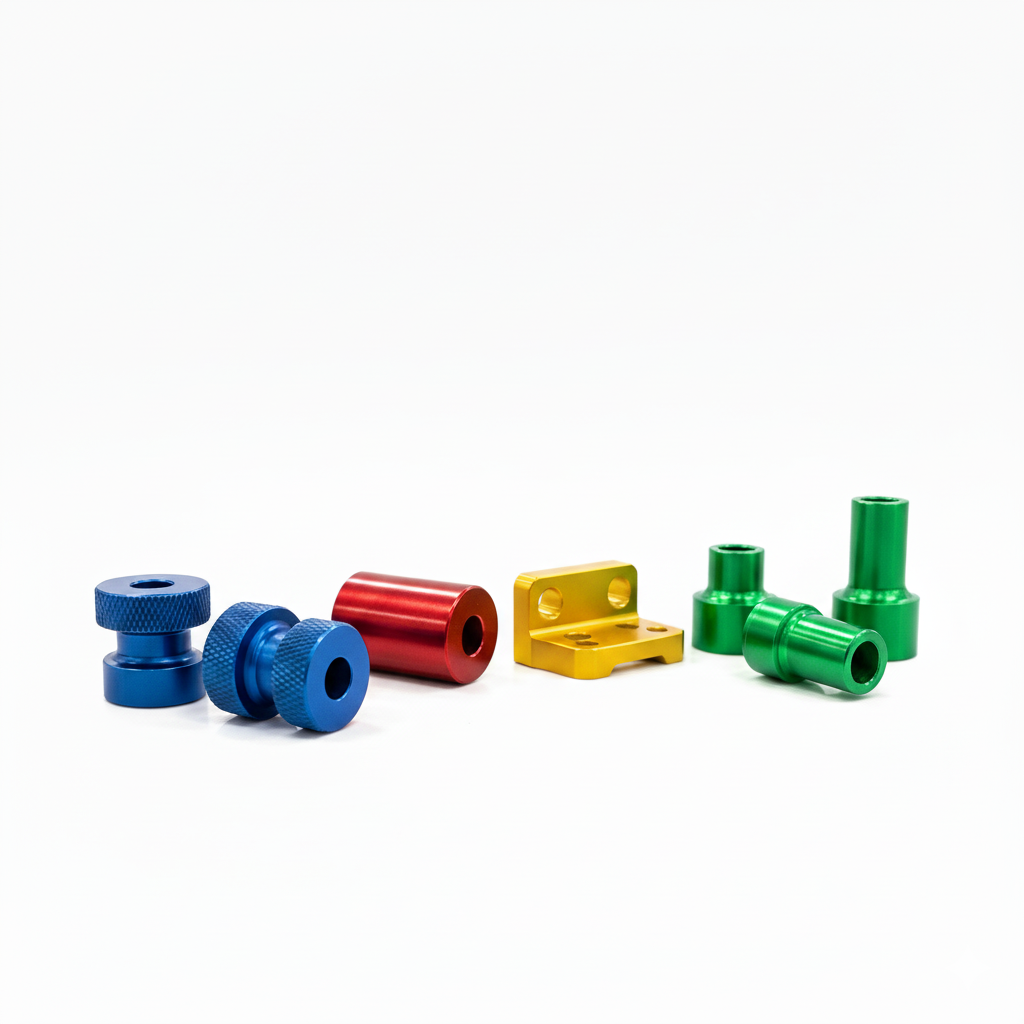
Finish is part of the finished component
Surface finish is often treated as a final step, but for CNC turned and machined parts it can affect the whole manufacturing route. Finish requirements influence machining allowance, edge condition, masking, cosmetic acceptance, corrosion protection, part handling and inspection method.
The first question is the purpose of the finish. Some finishes are mainly visual. Some protect against corrosion. Some reduce friction, improve wear behavior, support identification or prepare the part for assembly. A clear finish note helps separate what is cosmetic from what is functional.
Common finish decisions
As-machined parts may still need defined tool-mark expectations, burr control and cleaning. Polishing can change appearance and may soften edges. Plating or coating can add thickness and change fits, threads or holes. Anodizing on aluminum can affect color, masking and dimensional expectations. Black oxide, passivation, laser marking and painting each have their own preparation and inspection considerations.
Dimensions and masking
Finish thickness can matter on press fits, threaded features, bores, shafts and mating surfaces. If a dimension must be controlled after finishing, identify that requirement clearly. If a surface should not be coated, plated, polished or marked, define the masked area and the reason it matters.
Cosmetic surfaces and handling
Appearance-critical parts should identify visible faces, acceptable tool marks, scratch sensitivity and packaging expectations. Small turned parts can be damaged after machining if handling and packing are not matched to the surface requirement. Cosmetic expectations should be practical and tied to the part’s use.
Burrs, cleaning and release
Finish notes should also include edge and cleanliness requirements where they affect assembly or performance. Cross holes, ports, threads, sealing faces and small bores may need specific deburring or cleaning attention. Final inspection should look at the finished condition, not only the machined geometry before secondary work.
A strong finish requirement explains what the finish must do, where it matters and how it affects the final component. That makes the manufacturing route easier to control.