What matters on turned connectors and fittings?
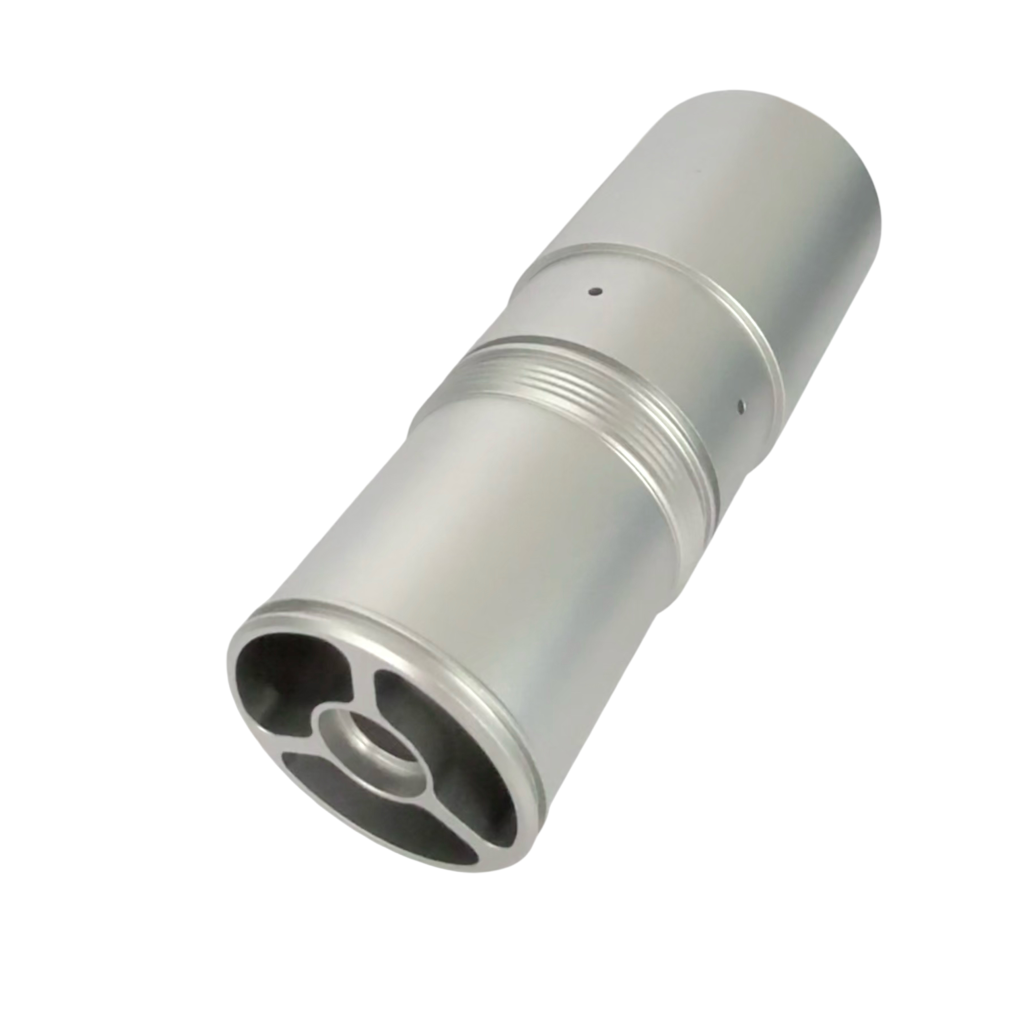
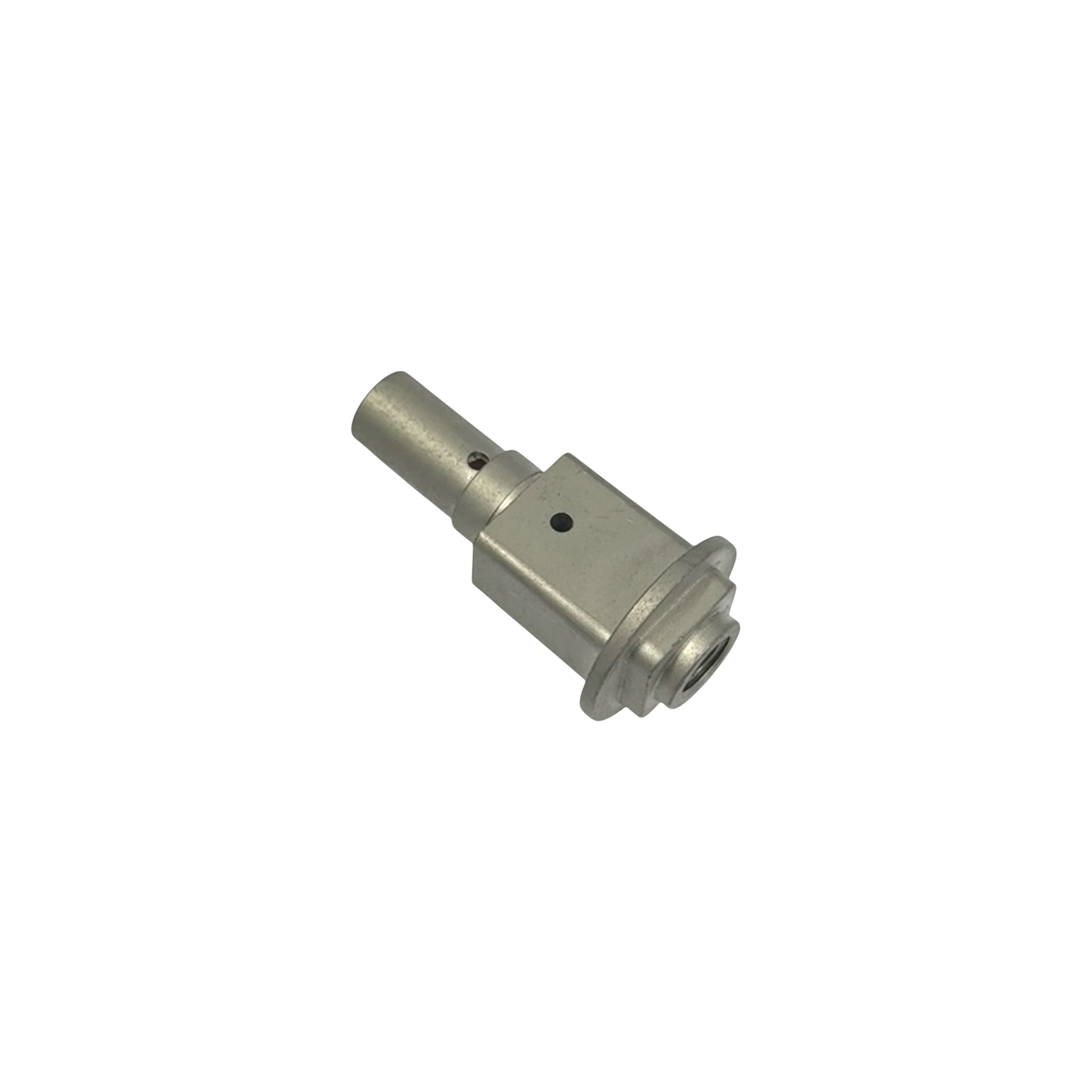
Turned connectors and fittings are small components where geometry, thread quality, bore condition and sealing surfaces often matter more than part size suggests. A representative connector may include external threads, internal threads, shoulders, grooves, cross holes, sealing faces, chamfers and cosmetic or corrosion-protection requirements.
This type of part is usually judged by how it assembles and performs. If it seals, locates, conducts, fastens or interfaces with another component, the manufacturing route should protect those features from the start.
Thread and bore control
Threads need clear specification, usable depth, relief condition and gauge expectation where applicable. Internal bores should define depth, finish, burr condition and any relationship to external diameters or sealing faces. Small chips or burrs can become functional problems when the component is used in fluid, air or assembly interfaces.
Sealing faces and shoulders
Sealing faces, flat shoulders and mating surfaces should be identified as controlled features. Their finish, perpendicularity, concentricity or edge condition may affect performance. These surfaces should not be treated as ordinary cosmetic faces if they carry a functional load.
Secondary features
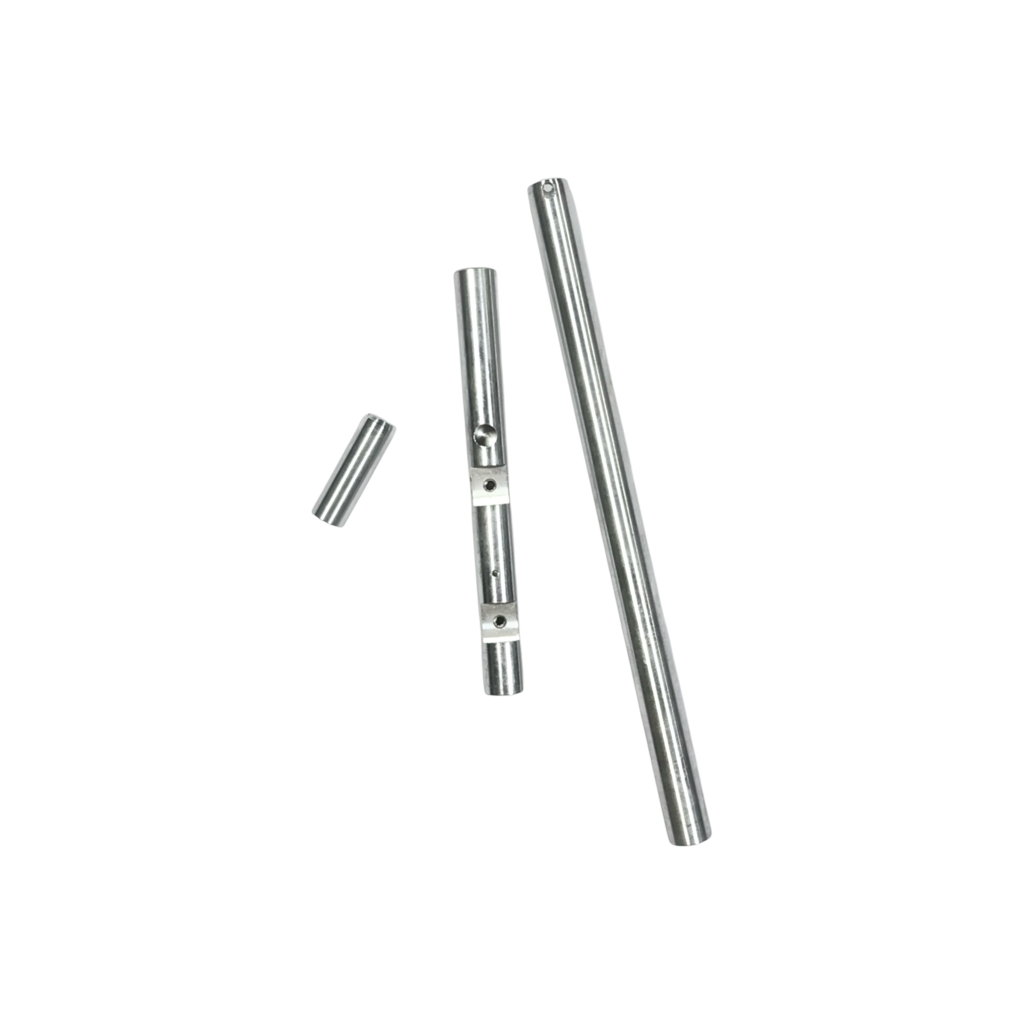
Cross holes, flats, slots, wrench features and ports often require secondary machining after turning. The order of operations can affect burrs, cleanliness and inspection access. For connector and fitting work, the final-state part should be evaluated after these features are complete.
Material and finish
Material choices such as stainless steel, brass, aluminum or steel should match the application environment and assembly requirement. Plating, passivation, polishing, anodizing, blackening or other finishes can affect dimensions and thread fit. Finish requirements should be tied to function and appearance rather than added as a vague final note.
For representative connector and fitting projects, the key is keeping interface geometry, thread acceptance, burr control and release expectations clear.