Valve-related parts depend on controlled details
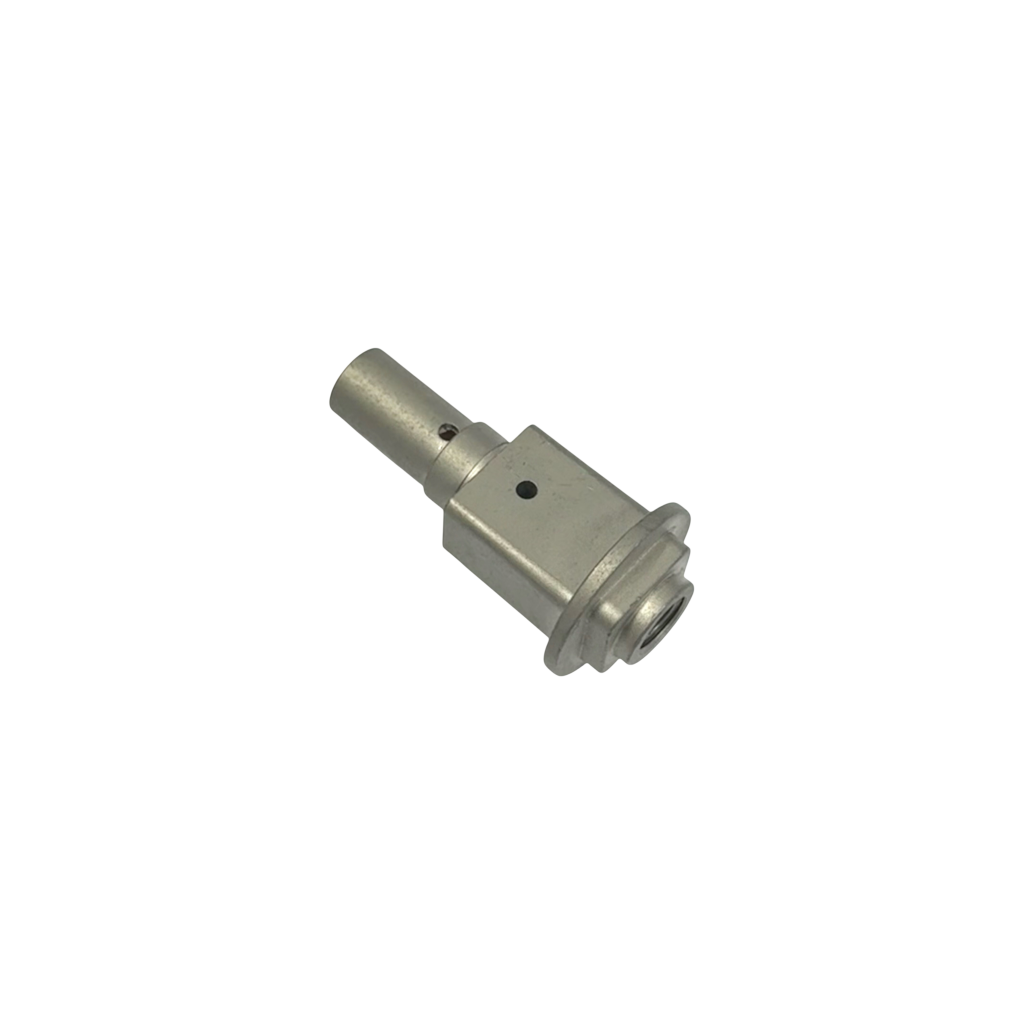
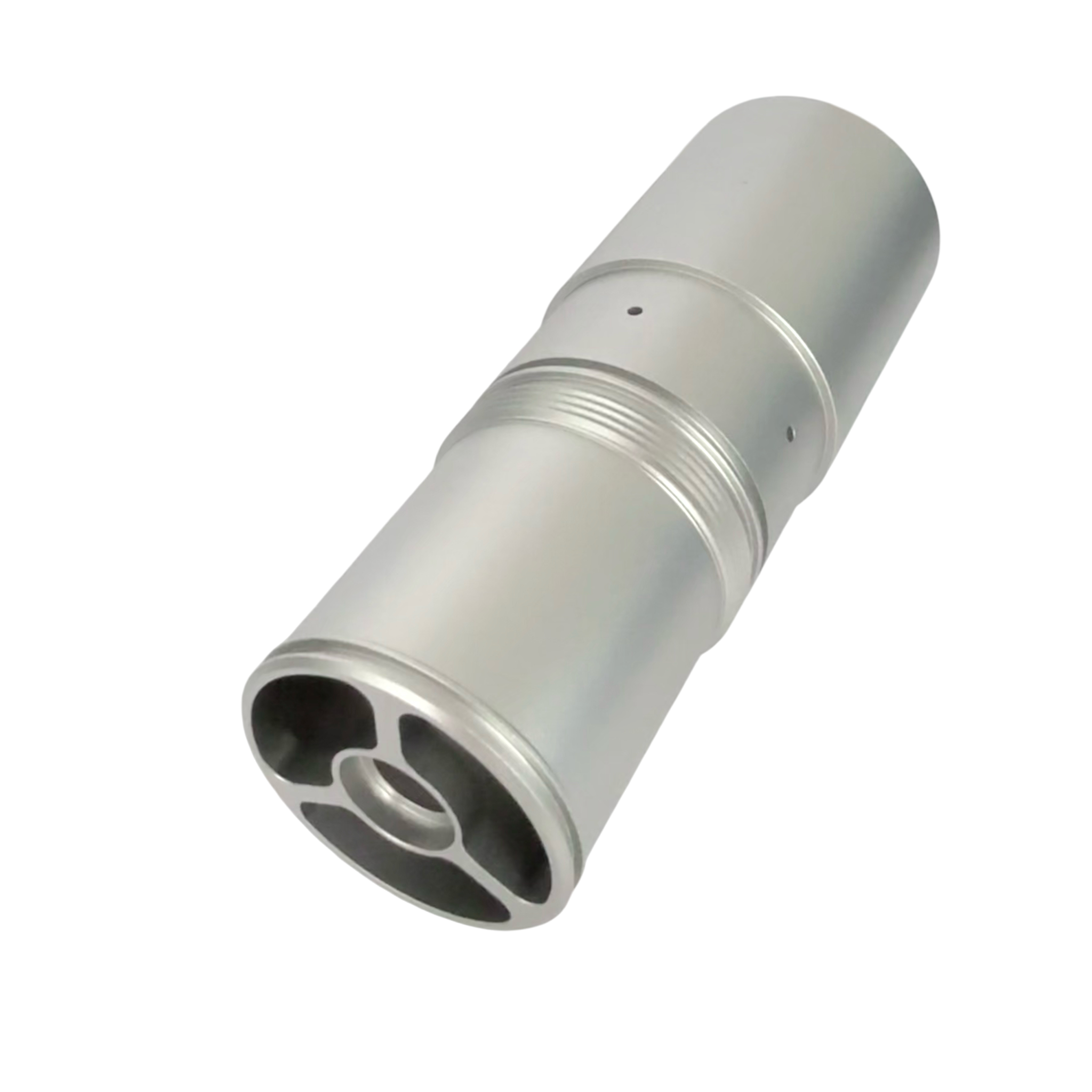
Valve-related turned components often combine bores, lands, grooves, ports, threads, shoulders and sealing surfaces. The visible shape may be compact, but the functional requirement can be demanding because flow, sealing, movement and assembly are sensitive to small details.
FLYcncpart treats valve-related components as turned and machined parts that need clear requirements. This does not mean manufacturing complete hydraulic or valve systems. The focus is precision metal components that support a buyer’s assembly.
Bores, lands and concentric relationships
Bores and outside diameters may need controlled concentricity or fit depending on the assembly. Lands and shoulders can affect sealing or movement. Internal features should define depth, finish, edge condition and inspection expectations where they affect function.
Ports, cross holes and burr control
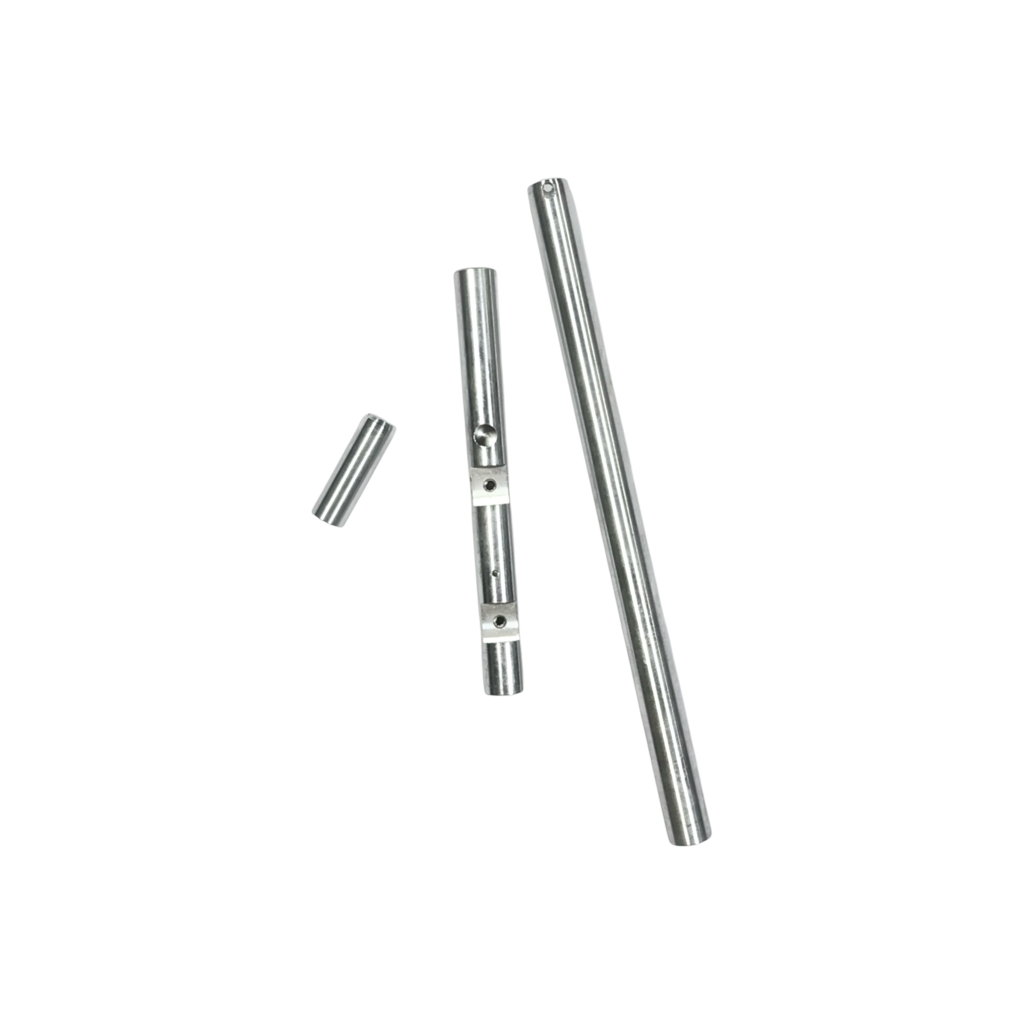
Ports and cross holes are common risk points because burrs and chips can remain after machining. The route should consider when the feature is machined, how it is deburred, how cleanliness is checked and whether the edge condition affects fluid passage or assembly.
Threads, grooves and sealing surfaces
Threads should define form, depth, gauge expectation and relationship to the mating part. Grooves may be functional for sealing, retaining or flow control. Sealing surfaces should be identified separately from ordinary surfaces so finish and handling can be matched to the requirement.
Material, finish and release
Material and finish depend on the application environment. Stainless steel, brass, aluminum and steel each bring different machining and finishing considerations. Final release should address controlled dimensions, burr condition, cleanliness and packaging where required by the project.
For representative valve-related component work, the strongest production focus is controlled geometry, clean passages, stable thread quality and clear final-state inspection.